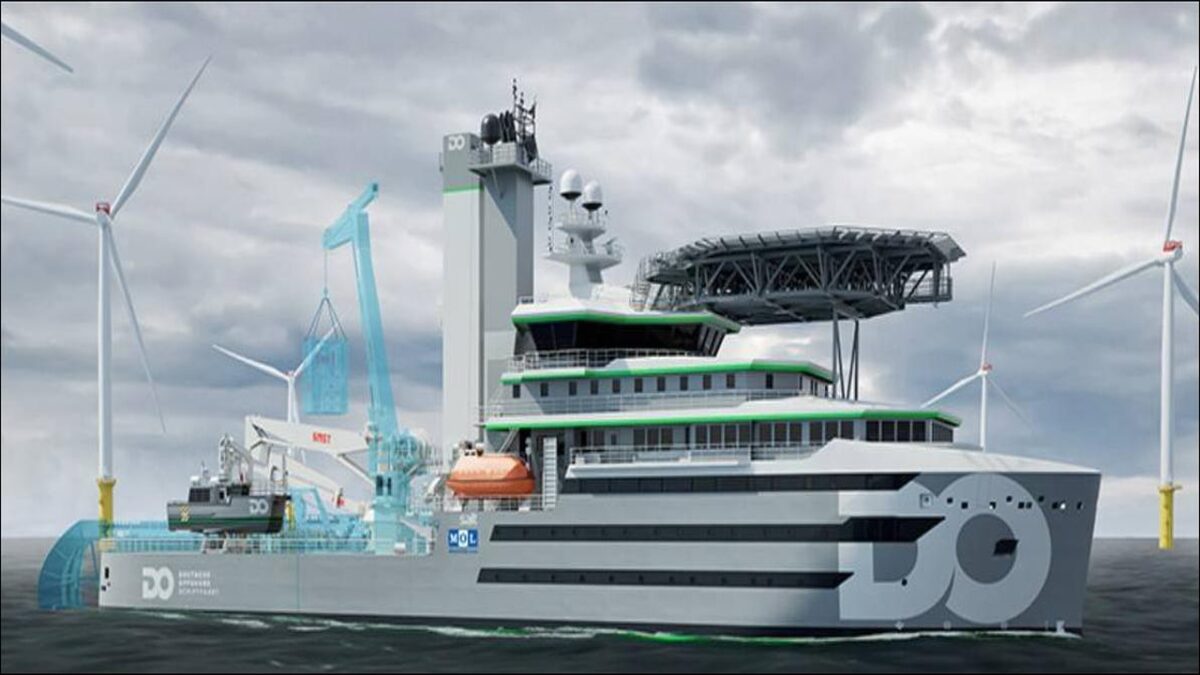
MOL Enters European Offshore Wind Vessel Market | Mariner News
Mitsui O.S.K. Lines (MOL), a global leader in the maritime industry, has announced its significant foray into the European offshore wind vessel segment, marking a pivotal moment in the company’s long-term sustainability strategy. This move signifies MOL’s firm commitment to diversifying its business portfolio and actively contributing to the global energy transition, particularly within the burgeoning renewable energy sector. By entering the dynamic European offshore wind market, MOL aims to leverage its extensive shipping expertise and operational excellence to support the construction, operation, and maintenance of offshore wind farms, which are crucial for achieving Europe’s ambitious climate targets.
The expansion into this specialized sector is not merely a business diversification but a profound strategic alignment with the principles of green shipping and decarbonization. The demand for specialized vessels, such as Service Operation Vessels (SOVs) and Wind Turbine Installation Vessels (WTIVs), is rapidly growing in Europe as more countries invest heavily in offshore wind power as a clean energy source. MOL’s entry brings valuable capacity and innovation to this critical supply chain, promising to enhance the efficiency and reliability of offshore wind farm development and operations across the continent. This initiative underscores MOL’s proactive approach to embracing new opportunities in environmentally conscious maritime transport and services.
Driving Decarbonization: MOL’s Vision for Green Shipping
MOL’s strategic entry into the European offshore wind vessel segment is a clear manifestation of its long-term environmental vision and commitment to decarbonization. The company has publicly articulated ambitious goals to reduce its environmental footprint, including significant reductions in greenhouse gas emissions across its fleet. Investing in the offshore wind sector directly aligns with these objectives, positioning MOL as a key enabler of renewable energy infrastructure development.
This initiative goes beyond mere compliance; it represents a proactive embrace of the evolving global energy landscape. As the world pivots towards sustainable energy sources, the maritime industry plays a crucial role not only in transporting goods but also in supporting the very infrastructure that generates clean power. MOL’s move into offshore wind vessels demonstrates a forward-thinking approach, recognizing that the future of shipping is inextricably linked with environmental stewardship and the transition to a low-carbon economy. This strategic pivot enhances MOL’s brand as a responsible corporate citizen dedicated to a greener future.
Furthermore, this expansion allows MOL to develop new competencies and technologies specific to the offshore wind industry. This includes advancements in vessel design, propulsion systems, and operational methodologies that prioritize efficiency and environmental impact. By integrating these innovations, MOL can contribute to lowering the overall carbon intensity of offshore wind projects, from construction through to maintenance. The company’s vast experience in complex maritime operations positions it well to tackle the unique challenges presented by offshore wind environments, ensuring safe and efficient project execution. This commitment to innovation is vital for sustaining growth in the competitive renewable energy market.
Navigating the European Offshore Wind Landscape
The European offshore wind market is arguably the most advanced and dynamic globally, driven by robust governmental policies, significant investment, and an urgent need for energy security and climate action. Countries like the UK, Germany, Denmark, and the Netherlands are leading the charge, with ambitious targets for deploying gigawatts of offshore wind capacity over the next decade. This creates a substantial and sustained demand for specialized maritime support, making it an attractive segment for an experienced operator like MOL.
However, navigating this landscape requires more than just capital; it demands a deep understanding of the regulatory frameworks, operational complexities, and technological demands inherent in offshore wind projects. MOL’s experience in managing large-scale, complex maritime operations across diverse geographies provides a strong foundation. The company will need to adapt its expertise to the specific requirements of offshore wind farm development, which often involves working in challenging sea conditions, managing intricate logistics, and adhering to stringent safety protocols. The emphasis on robust supply chains and specialized vessel types, such as Service Operation Vessels (SOVs) that provide accommodation and support for technicians, is paramount.
Moreover, the European market is characterized by intense competition and rapid technological evolution. To succeed, MOL will need to not only offer reliable and efficient services but also differentiate itself through innovation, perhaps by introducing advanced digital solutions for vessel management or by pioneering new sustainable fuels for its offshore wind fleet. Strategic partnerships with local operators and technology providers will also be crucial for gaining a foothold and ensuring long-term success in this highly specialized and rapidly evolving sector. MOL’s reputation for reliability and global reach will be significant assets in forming these critical alliances.
Strategic Partnerships and Technological Innovation
At the heart of MOL’s successful entry into the European offshore wind vessel market will be its ability to forge strategic partnerships and embrace technological innovation. The offshore wind industry is capital-intensive and requires highly specialized vessels, often custom-built for specific project requirements. Collaborating with established European players, either through joint ventures or long-term charter agreements, can provide MOL with immediate market access, local expertise, and shared risk.
Investment in cutting-edge vessel technology is another critical component. This includes next-generation Service Operation Vessels (SOVs) equipped with walk-to-work gangways, dynamic positioning systems, and comfortable accommodation for technicians, all designed to maximize operational uptime and safety in harsh offshore environments. For Wind Turbine Installation Vessels (WTIVs), the focus will be on larger crane capacities, greater lifting heights, and enhanced stability to handle the increasingly massive next-generation wind turbines. MOL’s commitment to fleet modernization and green technologies, such as hybrid propulsion or alternative fuels, will be essential in differentiating its offerings.
Beyond the hardware, MOL can also contribute significantly to advancing operational efficiency and safety through digital innovation. Implementing data analytics, artificial intelligence, and remote monitoring systems can optimize vessel deployment, predict maintenance needs, and enhance overall project management. These smart shipping solutions can lead to reduced operational costs, improved safety records, and greater reliability for offshore wind farm developers, making MOL an attractive partner. Such technological leadership reinforces MOL’s position at the forefront of sustainable maritime solutions.
Economic and Environmental Impact of MOL’s Expansion
MOL’s strategic expansion into the European offshore wind vessel segment is poised to deliver substantial economic and environmental benefits. Economically, this move will stimulate investment in the maritime supply chain, potentially leading to job creation in shipbuilding, crewing, and specialized offshore services. It strengthens Europe’s energy independence by bolstering its capacity to develop and maintain renewable energy sources, reducing reliance on fossil fuels and volatile international energy markets. For MOL, it opens up a significant new revenue stream in a growth sector, diversifying its portfolio and enhancing its long-term financial stability.
Environmentally, the impact is even more profound. By facilitating the development and maintenance of offshore wind farms, MOL directly contributes to the reduction of greenhouse gas emissions and combating climate change. Offshore wind power is a clean, abundant energy source, and every wind turbine installed with the support of MOL’s vessels means less reliance on carbon-intensive power generation. This aligns with global efforts to achieve net-zero emissions and supports the ambitious targets set by the European Union for renewable energy penetration.
Furthermore, MOL’s entry could spur greater competition and innovation within the offshore wind maritime support sector, potentially leading to more efficient and environmentally friendly operational practices across the industry. As a major global player, MOL’s commitment sends a strong signal to other shipping companies about the viability and importance of investing in renewable energy infrastructure. This domino effect can accelerate the wider maritime industry’s transition towards sustainability, fostering a greener, more resilient global energy system. This bold step solidifies MOL’s role as a vital enabler of the worldwide shift to sustainable energy.
In conclusion, MOL’s strategic foray into the European offshore wind vessel segment represents a significant milestone for the company and the broader maritime industry. It underscores a clear commitment to sustainability, diversification, and leadership in the global energy transition. By leveraging its vast expertise and embracing innovation, MOL is set to play a crucial role in supporting Europe’s ambitious renewable energy goals, while simultaneously paving the way for a greener future for shipping.