Mitsubishi Delivers First Marine Ammonia Fuel Systems | Mariner News
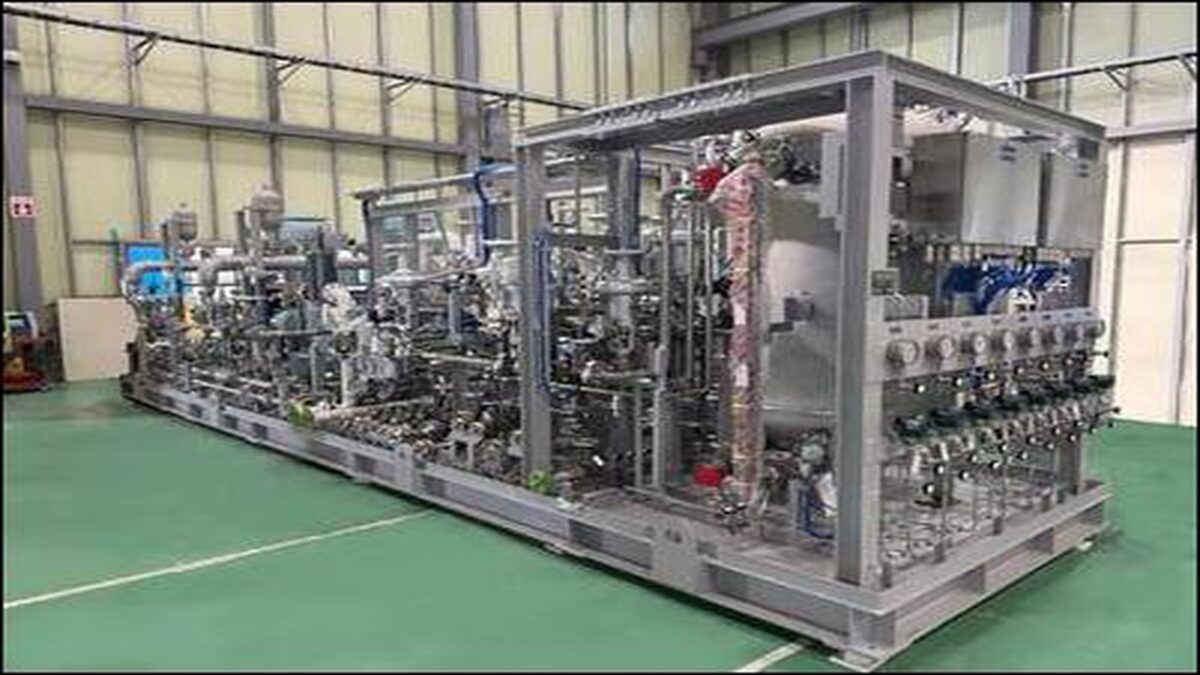
In a landmark development set to significantly propel the maritime industry towards its decarbonization goals, Mitsubishi Shipbuilding Co. has announced the successful delivery of its inaugural ammonia fuel supply system and ammonia gas abatement system. This pivotal achievement represents a crucial leap forward in the quest for sustainable shipping, providing foundational technology for future ammonia-fueled vessels. The innovative systems, meticulously engineered by Mitsubishi, are specifically designed to support advanced marine engines developed by Japan Engine Corporation (J-ENG), marking a collaborative effort that is accelerating the adoption of alternative fuels in the global fleet. This groundbreaking delivery underscores Mitsubishi’s commitment to technological leadership and environmental stewardship, directly addressing the urgent need for cleaner maritime operations.
This momentous occasion, initially reported by Ship & Bunker News Team, highlights the strategic importance of ammonia as a prospective zero-emission fuel. The delivered ammonia fuel systems are not merely components but integrated solutions, ensuring both the stable and safe provision of ammonia to the engine and the efficient handling of any excess gas. This holistic approach is essential for the practical implementation of ammonia as a primary marine fuel, mitigating potential environmental and safety concerns. As the maritime sector grapples with stringent regulatory demands and increasing pressure from stakeholders to reduce its carbon footprint, innovations like these from Mitsubishi Shipbuilding are indispensable, paving the way for a greener, more sustainable future for global shipping.
A New Era for Marine Propulsion: Ammonia’s Role
The maritime industry stands at a critical juncture, facing immense pressure to drastically reduce greenhouse gas emissions. Ammonia (NH3) has emerged as one of the most promising alternative marine fuels, drawing significant attention due to its potential for near-zero carbon emissions during combustion, especially when produced using renewable energy sources (often referred to as ‘green ammonia’). Unlike traditional fossil fuels, ammonia contains no carbon, thus eliminating CO2 emissions at the point of use. This characteristic makes it a highly attractive option for achieving the ambitious decarbonization targets set by international bodies like the International Maritime Organization (IMO).
However, the adoption of ammonia as a widespread marine fuel presents unique challenges, primarily concerning its toxicity, handling, and the need for robust bunkering infrastructure. Mitsubishi’s development addresses a significant portion of these challenges by providing sophisticated onboard systems that prioritize safety and operational efficiency. The integration of advanced fuel supply and gas abatement technologies is paramount for instilling confidence in shipowners and operators, demonstrating that ammonia can be managed safely and effectively on commercial vessels. This step-by-moth step technological advancement is crucial for moving from theoretical potential to practical application within the global fleet.
Mitsubishi’s Pioneering Ammonia Fuel Systems
At the core of this significant delivery are two highly specialized systems: the ammonia fuel supply system and the ammonia gas abatement system. The fuel supply system is engineered to provide a consistent and controlled flow of ammonia to the marine engine, ensuring optimal combustion and performance. Its design focuses on precision and reliability, critical factors for the safe operation of any marine propulsion unit. This system manages the storage, conditioning, and delivery of ammonia, overcoming the complexities associated with handling a gaseous fuel under varying operational conditions at sea.
Complementing the fuel supply is the innovative ammonia gas abatement system. This crucial component is designed to treat and neutralize any excess ammonia generated, particularly during critical operational phases such as fuel switching between ammonia and conventional fuel oil. Its role is vital for ensuring environmental compliance and onboard safety, preventing the release of uncombusted ammonia into the atmosphere. Both systems are further enhanced by an integrated control platform, allowing for seamless remote operation and automatic control, thereby minimizing human intervention and maximizing operational safety and efficiency. This integrated approach by Mitsubishi Shipbuilding sets a new standard for future ammonia fuel deployments.
Collaboration Driving Innovation: Mitsubishi and J-ENG
The success of these ammonia fuel systems is deeply intertwined with the collaborative efforts between Mitsubishi Shipbuilding and Japan Engine Corporation (J-ENG). J-ENG has been at the forefront of developing ammonia-fueled marine engines, recognizing the critical need for engines capable of running on this next-generation fuel. The delivery of Mitsubishi’s systems is specifically tailored to integrate with J-ENG’s engines, facilitating comprehensive onboard verification. This joint development and testing phase is essential for fine-tuning the synergy between fuel supply, gas handling, and engine performance, creating a robust and reliable propulsion solution.
Last year, J-ENG achieved its own milestone by successfully testing its first commercial ammonia-fueled engine, a clear indicator of the rapid progress being made in this field. The combination of J-ENG’s engine expertise and Mitsubishi Shipbuilding’s advanced fuel handling systems creates a powerful synergy, accelerating the readiness of ammonia-fueled vessels for commercial operation. This partnership exemplifies how cross-industry collaboration is indispensable for overcoming the complex engineering challenges associated with transitioning to new, greener fuels in the maritime sector, pushing the boundaries of what is possible in maritime technology.
Decarbonizing Shipping: The Global Imperative
The urgent need for decarbonization in shipping is driven by global climate change concerns and international regulatory mandates. The IMO has set ambitious targets to reduce greenhouse gas emissions from international shipping by at least 50% by 2050 compared to 2008 levels, with a vision for even more aggressive reductions towards net-zero. Achieving these targets necessitates a radical shift from conventional fossil fuels to zero or near-zero emission alternatives. Ammonia is emerging as a front-runner among these alternatives, alongside methanol, hydrogen, and biofuels, due to its energy density and the potential for large-scale, sustainable production.
Shipowners and operators are increasingly evaluating and investing in vessels capable of running on these new fuels. The commercial availability of ammonia engines and supporting infrastructure, such as Mitsubishi’s fuel supply and abatement systems, is a critical enabler for this transition. The initial orders for ammonia-fueled vessels signal a clear industry trend, indicating a growing commitment to sustainable shipping practices. As the technology matures and regulatory frameworks evolve, the adoption rate of such environmentally friendly solutions is expected to accelerate significantly, transforming the global maritime landscape.
Overcoming Challenges and Looking Ahead
While the delivery of Mitsubishi’s ammonia fuel systems marks a significant milestone, the pathway to widespread adoption of ammonia as a marine fuel still involves considerable challenges. Safety protocols for ammonia handling, bunkering infrastructure development, and establishing global regulatory frameworks are paramount. Ammonia’s inherent toxicity requires stringent safety measures, advanced sensor technology, and comprehensive training for crew members. Furthermore, the global network of ports needs to be equipped to safely store and supply ammonia in sufficient quantities, which requires substantial investment and coordinated international effort.
Looking ahead, continued innovation in engine technology, fuel storage solutions, and operational safety will be crucial. Pilot projects and early commercial deployments will provide invaluable data and experience, allowing for continuous refinement of technologies and best practices. The collaboration between technology providers, engine manufacturers, shipyards, classification societies, and regulators will be key to creating a robust and secure ecosystem for ammonia-fueled shipping. This forward momentum, spearheaded by companies like Mitsubishi Shipbuilding and J-ENG, demonstrates a clear commitment to navigating these complexities and achieving a sustainable, carbon-neutral future for the maritime industry.
Economic and Environmental Impact of Green Fuels
The transition to green fuels like ammonia carries profound economic and environmental implications. Environmentally, the shift promises a significant reduction in greenhouse gas emissions, contributing directly to global climate change mitigation efforts. Beyond CO2, the use of ammonia also has the potential to reduce other harmful pollutants such as sulfur oxides (SOx) and nitrogen oxides (NOx) if combustion is optimized, leading to cleaner air and healthier coastal communities. This move towards sustainable operations enhances the maritime industry’s reputation and its license to operate within increasingly environmentally conscious global markets.
Economically, the development and deployment of ammonia fuel systems and associated infrastructure foster new industries and create job opportunities in green technology, fuel production, and logistics. While initial investments can be substantial, the long-term benefits include increased energy independence, resilience against volatile fossil fuel prices, and access to future carbon markets. Early adopters and innovators in this space stand to gain a competitive advantage, positioning themselves as leaders in the sustainable maritime economy. This strategic shift not only addresses environmental mandates but also creates pathways for sustainable economic growth within the shipping sector globally.
In conclusion, Mitsubishi Shipbuilding’s delivery of the first ammonia fuel systems for marine engines represents a monumental step forward in the journey towards decarbonizing global shipping. This pioneering achievement, made possible through strategic collaboration with Japan Engine Corporation, provides tangible evidence of the maritime industry’s commitment to adopting alternative, cleaner fuels. As ammonia-fueled engines become commercially viable and shipowners increasingly opt for these sustainable solutions, the industry is poised for a transformative period. This innovation is not merely about new technology; it is about forging a sustainable future for international trade and setting a precedent for environmental responsibility in one of the world’s most vital sectors.