Middle East Oil Exports Push Tanker Costs to 6-Year High | Mariner News
The global energy landscape is currently grappling with significant turbulence. Middle East oil exports are surging, propelling tanker costs to an alarming six-year high. This dramatic escalation in maritime freight rates is fueled by a potent cocktail of heightened demand and escalating geopolitical tensions.
A primary concern is the looming threat of conflict between the United States and Iran. Industry sources reveal a frantic acceleration of crude oil charters, as traders endeavor to secure shipping capacity. This proactive stance is taken ahead of potential military action.
These developments underscore the delicate balance of global energy security and supply chain resilience. Ripple effects are already felt across the entire shipping industry, from vessel owners to end consumers, highlighting the Middle East’s critical role and the inherent vulnerabilities within the global oil supply chain.
Geopolitical Tensions Fueling Maritime Volatility
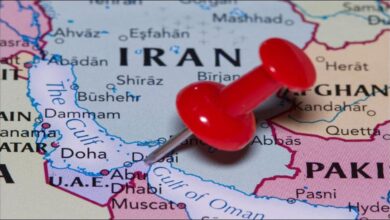
The shadow of geopolitical instability, specifically the persistent friction between the U.S. and Iran, casts a long pall over the maritime trade routes traversing the Persian Gulf. This region, a vital artery for a substantial portion of the world’s crude oil, becomes extraordinarily sensitive to any hint of conflict, causing a palpable shift in market behavior.
The recent surge in oil shipping activity can be directly attributed to a preemptive strategy by traders and refiners. Fearing potential disruptions to vital transit lanes or direct impacts on operations, market participants are rushing to charter vessels. This “panic buying” of crude carrier capacity serves as a buffer against potential supply interruptions.
Such urgency drives up demand for VLCC freight rates and other tanker classes significantly. It reflects an increased perceived risk and the urgent need for secure logistical solutions. The volatility introduced by these geopolitical risks creates a premium for speed and reliability, transforming the conventional economics of oil transportation.
Unprecedented Surge in Crude Tanker Freight Rates
The numbers paint a stark picture of the current market reality, demonstrating an unprecedented surge in crude tanker freight rates not seen in years. Data from leading analytics firms underscores this dramatic uptick, showcasing the intense pressure on the shipping industry.
For instance, the cost of hiring a Very Large Crude Carrier (VLCC), capable of transporting up to 2 million barrels from the Middle East to key Asian markets like China, has more than tripled since the beginning of the year. These rates recently soared to over $170,000 per day, a level last recorded in April 2020.
This exceptional rise isn’t confined solely to VLCCs; other significant tanker classes, such as Suezmax and Aframax vessels, are also experiencing substantial increases. The primary drivers include immediate geopolitical concerns, a fundamental imbalance between available vessel supply and surging demand for crude shipments, increased OPEC+ production, and robust global refinery demand.
Middle East’s Pivotal Role in Global Oil Supply
The Middle East continues to affirm its irreplaceable position as the lynchpin of global oil supply. Recent data confirms that Middle East crude exports have soared, exceeding 19 million barrels per day in February, a benchmark not achieved since April 2020.
This substantial increase in export volumes is driven by several key factors. Leading the charge are major oil-producing nations within the region, notably Saudi Arabia and the United Arab Emirates, alongside Iran. Despite sanctions, Iran contributes significantly to these elevated figures.
A crucial demand-side catalyst comes from India, a powerhouse economy experiencing robust growth and expanding energy needs. India’s strategic pivot away from Russian oil imports has led to a significant increase in its procurement of crude from Middle Eastern suppliers. This shift has not only boosted regional export volumes but also intensified competition for tanker capacity, further exacerbating upward pressure on oil shipping costs.
Market Dynamics and the Future of Oil Shipping
The current tanker market is navigating a complex interplay of fundamental drivers that are reshaping the landscape of oil shipping. According to industry analysts, “VLCC freight rates have seen many positive fundamental drivers, starting with Venezuela barrels moving on legitimate freight versus a dark fleet before, increased OPEC+ production and healthy crude demand from refineries, particularly from India, which has moved from Russian to Middle Eastern barrels.”
This assessment highlights several critical shifts in global energy markets. The reduction in the “dark fleet”—vessels operating outside conventional regulatory frameworks—means more legitimate tonnage is in demand, tightening market supply. Furthermore, sustained commitment by OPEC+ to manage output levels ensures a consistent flow of crude, providing a stable base for crude shipments.
Refinery demand, especially from rapidly growing emerging markets like India, remains robust, underpinning the need for reliable energy security. Looking ahead, the future of oil shipping will be intricately linked to these evolving dynamics, contending with geopolitical uncertainty, fluctuating demand, fleet renewal, and environmental regulations. These factors collectively determine the profitability and operational stability of the shipping industry.
Impact on Global Energy Markets and Consumer Costs
The steep ascent in tanker costs inevitably casts a wide net of influence across global energy markets and, ultimately, impacts consumer costs. When the price of transporting crude oil from its source to refineries jumps by such significant margins, it directly adds to the overall cost of the commodity itself.
This increased expense in the oil shipping segment of the supply chain means refiners face higher input costs. These are then typically passed down to consumers in the form of elevated prices for gasoline, diesel, and other petroleum products. This ripple effect extends beyond mere fuel prices.
Higher energy costs can contribute to inflationary pressures across various sectors of the economy, affecting everything from manufacturing to transportation and food production. For countries heavily reliant on oil imports, the surge in Middle East oil exports and associated shipping expenses represents a substantial economic burden, straining national budgets and impacting trade balances.
Navigating Risk in the Tanker Market
Operating within the current heightened environment, particularly through critical chokepoints like the Strait of Hormuz in the Persian Gulf, requires the tanker market to meticulously navigate an intricate web of risks. Shipowners and operators are facing intensified scrutiny and increased operational challenges.
Beyond the direct threat of military conflict, which can disrupt shipping lanes or even result in vessel damage, there are indirect risks such as elevated war risk insurance premiums. Insurers are understandably adjusting their policies and pricing to reflect the increased danger, significantly adding to the overall cost of oil shipping.
Furthermore, the logistics of securing crews willing to operate in such high-risk zones becomes more complex, potentially leading to additional costs for hazardous duty pay and enhanced security measures. Charterers, too, must factor in these additional expenses and potential delays when planning crude shipments, often demanding vessels with proven track records and robust safety protocols. The ability to effectively assess and respond to evolving geopolitical risks is paramount.
Conclusion
The current surge in Middle East oil exports and the corresponding escalation in tanker costs to a six-year high represent a potent confluence of robust market demand and profound geopolitical uncertainties. The specter of a US-Iran conflict, coupled with increased global consumption and shifts in energy sourcing, has undeniably reshaped the economics of oil shipping.
As the shipping industry navigates these turbulent waters, characterized by elevated VLCC freight rates and a constant reassessment of risk, the delicate balance of the global oil supply chain remains acutely vulnerable. The ongoing developments underscore the strategic importance of the Middle East and the critical need for stability in its vital maritime arteries.
Stakeholders across the energy markets must remain vigilant, adapting to rapid changes and striving for resilience in an increasingly complex and interconnected world, where the price of a barrel of crude is inextricably linked to the cost of its journey across the seas.