Middle East Conflict: Shipping & Oil Impact | Mariner News
The Middle East conflict continues to cast a long, unpredictable shadow over the global maritime industry, triggering profound uncertainty across shipping lanes and the crucial bunker market. Recent escalations in geopolitical tensions have sent shockwaves through the sector, underscoring the region’s indispensable role in global trade and energy supply. As events unfold, the intricate web of global supply chains, energy infrastructure, and vessel operations faces unprecedented challenges, demanding immediate attention and strategic adjustments from stakeholders worldwide. The potential for disruption extends far beyond localized skirmishes, threatening to impact everything from crude oil shipments to the cost of consumer goods.
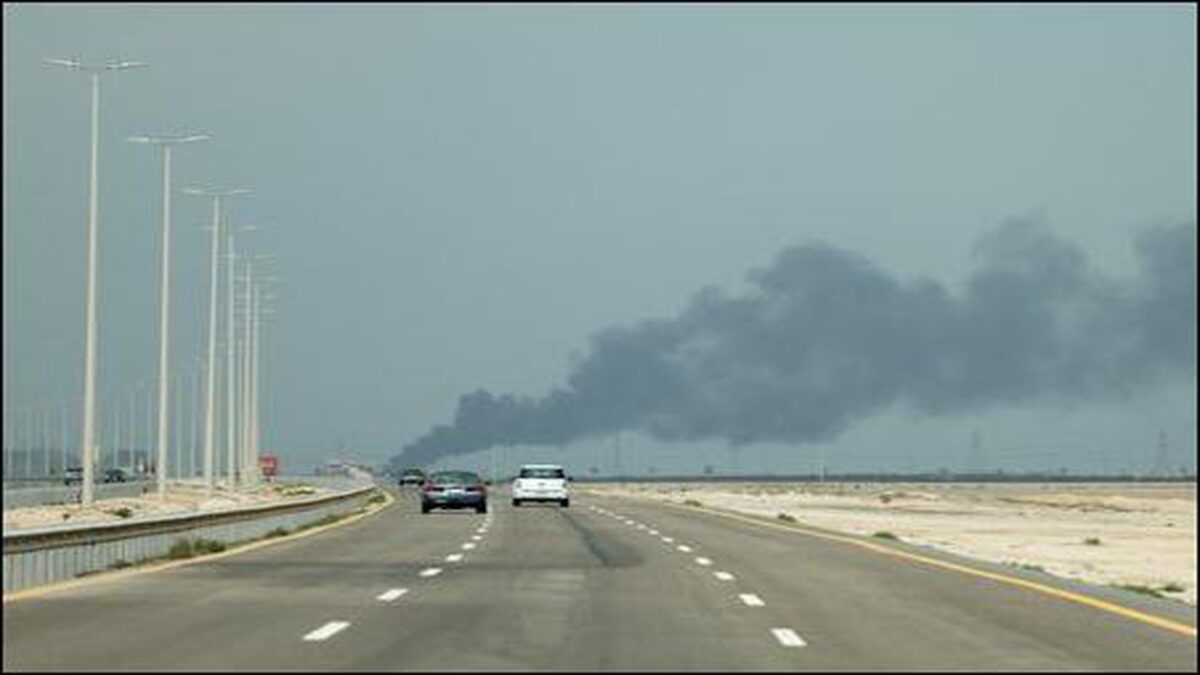
Over the past several days, the shipping and bunker industries have grappled with a state of profound disarray following intensified actions across the region. A series of coordinated military strikes and retaliatory measures have plunged key areas into chaos, directly affecting maritime routes and energy assets. Reports of attacks targeting various strategic locations, including critical infrastructure and military bases, have heightened fears of widespread instability. While some incidents involving commercial ships and energy facilities may have been collateral damage from intercepted projectiles, others appear to be direct targeting, fundamentally altering risk assessments for vessels operating in the region. The fluidity of the situation demands constant vigilance from all players in the maritime domain, as the implications for international waters are both severe and far-reaching.
The Strategic Chokepoint: Strait of Hormuz Under Threat
Central to the international community’s concern is the Strait of Hormuz, the narrow waterway strategically positioned off Iran’s coastline. This vital maritime artery accounts for the passage of approximately 20% of the world’s global oil shipments, making it an irreplaceable conduit for crude oil and liquefied natural gas to reach global markets. Any significant disruption in this chokepoint could trigger a catastrophic energy crisis and send fuel prices skyrocketing across the globe. Historical threats of closing the strait, long a hypothetical response by regional powers to perceived aggression, have now taken on a more tangible and alarming dimension, leading to widespread concern among shipping companies and energy traders.
Following recent escalations, unsettling reports emerged of VHF broadcasts claiming the strait’s closure to marine traffic, though the practical enforceability and actual military capability to sustain such a closure remain subjects of intense debate among military strategists and maritime analysts. The implications of a sustained closure would be devastating, forcing oil tankers and other commercial vessels to seek much longer, more expensive, and potentially less secure alternative trade routes. The sheer volume of traffic, including very large crude carriers (VLCCs), that transits the Strait of Hormuz daily makes its continued open access paramount for global economic stability and energy security. The international community is closely monitoring the situation, recognizing the profound impact any sustained interdiction would have on global oil supply chains and, consequently, the entire world economy.
Ripple Effects on Global Shipping and Trade
Beyond the immediate impact on oil shipments, the Middle East conflict has created significant ripple effects across the entire global shipping landscape. Container shipping, bulk carriers transporting commodities like grain and minerals, and even specialized gas carriers are experiencing heightened operational risks and increased insurance premiums. Major shipping companies are reassessing their vessel safety protocols and, in some instances, diverting ships around the affected regions, leading to longer transit times, higher fuel consumption, and subsequently, increased shipping costs. These diversions strain existing supply chains already recovering from recent global disruptions and contribute to inflationary pressures on consumer goods worldwide. The principle of freedom of navigation in international waters is being tested, pushing maritime logistics to adapt to an increasingly volatile environment.
Insurance underwriters are responding to the elevated geopolitical risk by designating vast swathes of the region as high-risk zones, leading to substantial hikes in war risk premiums for vessels entering or transiting these areas. This financial burden translates directly into higher operational expenses for shipowners and charterers, ultimately impacting freight rates and global trade competitiveness. Furthermore, the uncertainty surrounding safe passage affects scheduling, port calls, and crew morale, posing complex challenges for fleet management. The interconnectedness of global trade means that instability in one critical region inevitably reverberates across distant markets, affecting everything from manufacturing production to retail prices. Businesses reliant on these trade routes are now actively exploring contingency plans and diversifying their supply chain strategies to mitigate future disruptions.
Bunker Industry Under Pressure: Volatility and Supply Concerns
The bunker industry, intrinsically linked to global shipping, is under immense pressure as a direct consequence of the Middle East conflict. The volatility in crude oil markets, driven by supply concerns and geopolitical instability, translates almost immediately into fluctuating and often sharply rising bunker fuel prices. This exacerbates operational costs for every vessel, from the smallest feeder ship to the largest supertanker, directly affecting the profitability and sustainability of shipping companies. Bunker suppliers and traders are facing significant logistical challenges in securing and delivering fuel, with potential disruptions to established supply chains and delivery schedules in key bunkering hubs within the region.
Moreover, the conflict introduces questions about the availability and security of refined products, including marine fuel, originating from or transiting through the affected areas. Port closures, naval blockades, or even just heightened security alerts can severely impede bunkering operations, leading to delays and potential shortages. The unpredictability of these factors necessitates adaptive procurement strategies and robust risk management for all participants in the bunker market. Maintaining adequate bunker fuel stocks and identifying alternative sourcing options become critical tasks for shipping companies navigating this turbulent period. The ripple effect on energy markets is global, as any significant disruption to Middle Eastern oil output or transit inevitably impacts benchmark prices, influencing the cost of fuel for vessels operating across the world.
Maritime Security Challenges and Naval Responses
The escalating Middle East conflict presents severe maritime security challenges, elevating the risk profile for all commercial vessels operating in the broader region. Threats range from potential direct attacks or seizure of ships to incidental damage from falling wreckage of intercepted projectiles, as well as the ever-present danger of sea mines. These risks necessitate a robust response from international naval forces, which are often deployed to protect international waters and ensure the freedom of navigation for commercial shipping. The presence of multinational naval coalitions aims to deter aggression and provide rapid response capabilities to distressed vessels, offering a degree of assurance to the shipping community.
However, the increasing complexity of the conflict, involving various state and non-state actors, makes effective deterrence and protection incredibly challenging. Shipping companies are advised to enhance their vessel security measures, implement stringent crew safety protocols, and maintain constant vigilance, utilizing advanced intelligence and threat assessment services. The potential for miscalculation or accidental engagement in a highly militarized zone poses a grave threat to innocent seafarers and valuable cargo. Understanding the nuanced geopolitical landscape and adhering to designated safe corridors, when available, become paramount for mitigating risk. The balance between ensuring maritime safety and avoiding further escalation requires delicate diplomatic efforts alongside robust naval presence, underscoring the vital role of international cooperation in safeguarding critical trade routes and energy infrastructure.
Economic Repercussions and Future Outlook
The economic repercussions of a prolonged or escalating Middle East conflict are substantial and far-reaching. Global economic growth, already facing headwinds, could be significantly hampered by sustained disruptions to shipping, higher energy costs, and reduced investor confidence. Industries reliant on global supply chains, from automotive to electronics, would face production delays and increased costs, potentially leading to inflationary pressures and decreased consumer purchasing power. Governments and central banks would grapple with the dual challenge of managing economic slowdowns while simultaneously addressing energy security concerns.
Looking ahead, the maritime sector must prioritize resilience and adaptability. This includes developing diversified supply chain strategies, exploring alternative energy sources, and investing in advanced maritime security technologies. The ongoing Middle East geopolitical landscape demands continuous monitoring, comprehensive risk assessment, and collaborative international efforts to de-escalate tensions and protect vital maritime trade routes. While the immediate focus remains on mitigating current disruptions, the long-term imperative is to build a more robust and flexible global shipping ecosystem capable of withstanding future shocks. The stability of the maritime sector is not merely an industry concern; it is a critical component of global economic health and stability, requiring concerted action from all international stakeholders.