Middle East Conflict: Shipping & Bunkering Market Impact | Mariner News
The geopolitical landscape of the Middle East has long been a focal point for global stability, with recent escalations sending ripples through international commerce. Specifically, the Middle East conflict has introduced profound uncertainty and significant operational challenges for the global shipping and bunkering industries. From initial strategic strikes to complex retaliatory actions, the maritime sector navigates treacherous waters, grappling with heightened security risks, disrupted supply chains, and volatile fuel markets. This comprehensive analysis delves into the multifaceted impact observed so far, examining how geopolitical tensions reshape maritime operations, influence bunker fuel dynamics, and prompt a critical re-evaluation of trade routes and risk management strategies. Understanding these repercussions is vital for stakeholders seeking to mitigate risks and maintain resilience in an unpredictable world.
Geopolitical Tensions and Maritime Security in the Middle East
The recent surge in geopolitical tensions across the Middle East has had an immediate and concerning effect on maritime security. Initial strikes targeting key strategic locations, followed by a swift and wide-ranging response, instantly elevated the threat level for commercial vessels operating in and around the region. What began as targeted military actions quickly evolved, with reports indicating that while some attacks aimed at commercial ships or energy infrastructure were deliberate, others resulted from incidental damage. This blurred line between military and civilian targets creates an unpredictable environment for ship operators.
Navigating conflict zones now demands extreme vigilance and enhanced security protocols. The constant threat of direct engagement, or even collateral damage, necessitates a re-evaluation of established routes and operational procedures. Shipping companies increasingly rely on sophisticated intelligence to assess real-time risks, making split-second decisions to protect crews, cargo, and multi-million dollar assets. This heightened state of alert signals a sustained period of maritime insecurity.
The overarching geopolitical risks associated with the Middle East conflict are not confined to the immediate vicinity of hostilities. They extend to international relations and the broader framework of global governance, influencing perceptions of safety and stability in key maritime corridors. The actions of regional powers, coupled with international actors, collectively contribute to a complex risk matrix that the shipping industry must constantly monitor. This intricate interplay makes proactive risk mitigation a formidable challenge for global supply chains.
The Strategic Chokepoint: Strait of Hormuz Implications
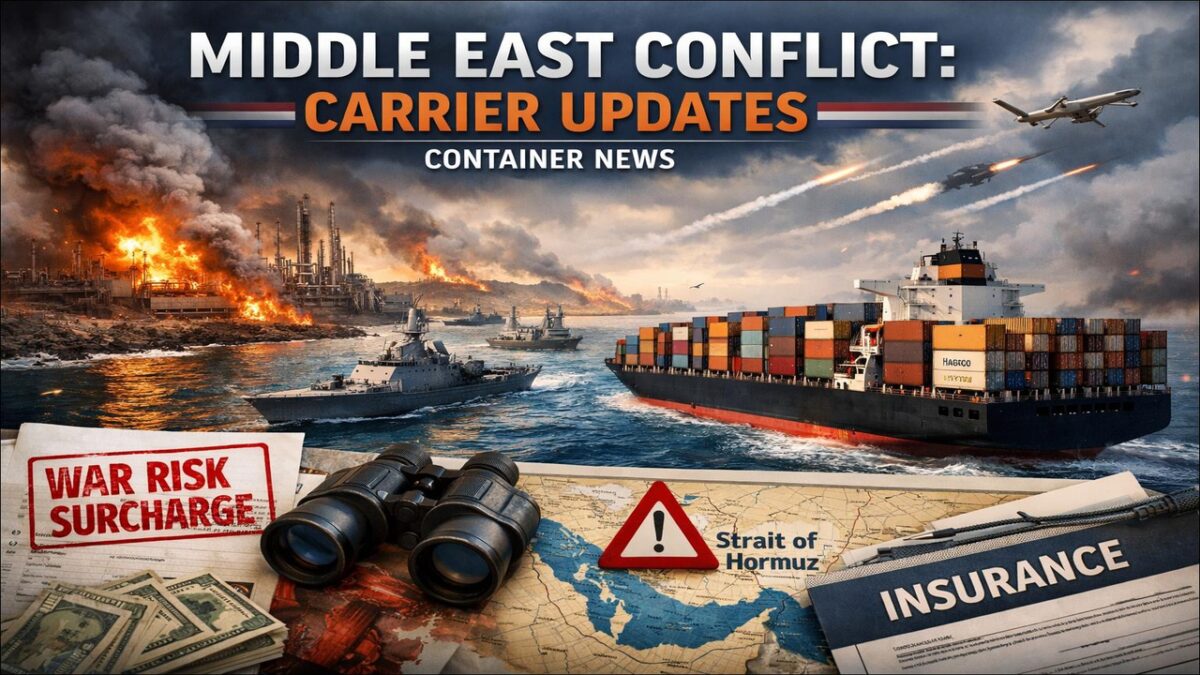
Perhaps the most critical concern stemming from the Middle East conflict is the potential disruption to the Strait of Hormuz. This narrow, strategically vital waterway, flanked by Iran and Oman, is an indispensable conduit through which approximately 20% of the world’s oil and a significant portion of its liquefied natural gas passes daily. Its importance to global energy security is critical. Reports of immediate strait closure via VHF broadcasts sent shockwaves through energy and shipping markets, highlighting the extreme vulnerability of this crucial chokepoint.
The threat of closing the Strait of Hormuz has long been a strategic card played by Iran in times of heightened tension. While the feasibility and international response to a complete, sustained closure remain subjects of debate, even partial restrictions or increased security measures can lead to immediate and drastic consequences. Such actions would not only impact the direct flow of oil shipments and gas exports but also trigger a rapid escalation in global crude oil prices, affecting economies worldwide. The ripple effect impacts all energy-reliant sectors, from manufacturing to transportation.
Should the Strait of Hormuz become truly unnavigable or deemed too dangerous, the implications for global supply chains would be catastrophic. Diversion options, such as pipelines circumventing the strait or longer routes around the Arabian Peninsula, are limited, costly, and time-consuming, adding substantial delays and operational expenses. These alternatives are often at capacity or not equipped to handle the immense volume of trade typically transiting Hormuz. Consequently, any significant disruption inevitably leads to an immediate surge in freight rates and maritime insurance premiums, altering the economic viability of transporting goods. The world’s reliance on this single waterway underscores the fragility of global energy and trade infrastructure in the face of persistent regional instability.
Direct Impact on Global Shipping and Freight Operations
The immediate response from global shipping operations to the escalating Middle East conflict has been one of extreme caution and rapid adaptation. Shipping companies, facing an unpredictable environment, swiftly heightened security, deploying additional onboard personnel or re-evaluating crew safety measures. Decisions regarding vessel rerouting have become paramount. While longer routes add significant transit time and increase fuel consumption, they are often deemed a necessary trade-off to avoid high-risk areas, fundamentally altering voyage planning and logistics across the entire maritime network.
The financial repercussions for the maritime industry are profound. Maritime insurance providers have reacted to the increased risk by implementing higher war risk surcharges for vessels entering or passing near designated risk zones. These additional costs are absorbed by carriers, often passed on to shippers, and ultimately affect consumer prices. The volatility in freight rates reflects this uncertainty, with routes through or near the Middle East experiencing spikes, further complicating contract negotiations and long-term planning for cargo owners. These added costs and delays impact the competitiveness of goods sourced from or destined for affected regions.
Beyond direct costs, the conflict introduces significant supply chain delays and disruptions. Ports in the region may face reduced traffic or operational challenges due to security concerns or a diminished workforce. The ripple effect extends far beyond the Middle East, as vessels rerouted from the Red Sea or Suez Canal to avoid dangers then cause congestion at other key ports and impact global sailing schedules. This intricate dance of delayed arrivals and departures creates a cascading effect, undermining the reliability and predictability vital for efficient global commerce. The need for agility and robust contingency planning has never been more evident for entities involved in global maritime trade.
Bunkering Industry Under Pressure: Fuel Supply & Pricing
The bunkering industry, intrinsically linked to crude oil and global shipping, is experiencing intense pressure due to the Middle East conflict. As a critical component of vessel operations, marine fuel supply and pricing directly expose to energy market volatility. Any geopolitical instability in a major oil-producing region inevitably leads to spikes in crude oil prices. This correlation means bunker fuel prices rise sharply, increasing operational costs for every vessel transiting affected areas or responding to market nervousness. Ship operators face significantly higher expenditure on fuel, their largest variable cost.
Furthermore, the conflict has the potential to disrupt established bunker fuel supply chains. Regional bunkering hubs, vital for vessels topping up fuel, may experience reduced availability, logistical challenges, or even temporary closures if security deteriorates. This forces vessels to deviate to alternative ports for refueling, adding to voyage time and costs. Uncertainty prompts ‘panic buying’ or speculative hoarding, exacerbating price volatility and creating artificial shortages.
The combined impact of escalating fuel prices and potential supply disruptions places immense strain on shipping companies’ budgets and profitability. Longer routes necessitated by security concerns also mean higher fuel consumption, creating a double whammy for carriers. Managing these increased costs while maintaining competitive freight rates becomes a delicate balancing act. The marine fuel market, already navigating complex environmental regulations like IMO 2020, now contends with an additional layer of geopolitical risk, making accurate forecasting and risk management in the bunkering sector more challenging than ever. Industry stakeholders constantly seek innovative strategies to hedge against price fluctuations and secure reliable fuel sources in an unpredictable global landscape.
Conclusion
The Middle East conflict represents a significant and ongoing challenge for the global shipping and bunkering industries. The repercussions, extending from heightened maritime security concerns and the critical vulnerability of the Strait of Hormuz to the direct impact on freight rates and bunker fuel prices, underscore the interconnectedness of geopolitics and global commerce. Stakeholders must contend with an environment characterized by increased operational costs, logistical complexities, and persistent uncertainty. The necessity for robust risk management strategies, adaptable supply chain models, and continuous monitoring of geopolitical developments has never been more paramount. While the conflict’s long-term trajectory is uncertain, its immediate legacy is a maritime landscape fundamentally altered, demanding resilience and foresight to navigate the turbulent waters ahead. Global trade’s future depends on the industry’s ability to adapt to these evolving challenges.