Middle East Conflict Drives Ship Insurance Premiums Up | Mariner News
The ongoing conflict in the Middle East has sent profound shockwaves through the global maritime industry, leading to a sharp and significant rise in ship insurance premiums. This escalation, primarily driven by heightened geopolitical tensions and increased security threats in critical waterways, is dramatically reshaping shipping routes, operational costs, and ultimately, global supply chains. Vessel operators and cargo owners are now contending with substantially higher expenses to ensure the safe passage of goods, directly impacting trade economics worldwide. The strategic importance of regions like the Red Sea, Gulf of Aden, and the Strait of Hormuz means that any instability instantly ripples through the international maritime sector.
For centuries, these sea lanes have been vital arteries for global commerce, connecting East and West. However, the recent escalation of hostilities has transformed them into zones of elevated risk, prompting insurers to levy substantial war risk surcharges. This shift isn’t merely an administrative adjustment; it reflects a tangible increase in the probability of maritime incidents, from missile attacks and drone strikes to vessel seizures. The ripple effect of these elevated insurance costs is being felt across all segments of the shipping industry, from container ships carrying consumer goods to tankers transporting vital energy supplies, forcing a re-evaluation of established logistics and risk management strategies.
Escalating Maritime Risks in Critical Waterways
Key maritime chokepoints in the Middle East have become flashpoints for conflict, directly contributing to the surge in maritime insurance premiums. The Red Sea, in particular, has emerged as a primary concern due to persistent attacks on commercial vessels linked to the Houthi movement in Yemen. These incidents, involving drones, missiles, and attempts at boarding, have made transit through the Bab al-Mandeb Strait and the broader Red Sea region exceptionally perilous. This crucial gateway to the Suez Canal, a man-made shortcut significantly reducing travel times between Asia and Europe, now presents an unacceptable level of danger for many operators.
Beyond the Red Sea, the Strait of Hormuz, linking the Persian Gulf with the open ocean, remains another area of acute geopolitical risk. While the immediate focus has shifted to the Red Sea, the Strait of Hormuz has historically been a volatile corridor for oil and gas shipments, making it susceptible to sudden escalations. Any disruption here would have catastrophic global economic consequences, particularly for energy markets. The perceived threats, ranging from state-sponsored aggression to piracy and asymmetrical warfare, are constantly monitored by maritime security agencies and insurance underwriters.
In response to these escalating dangers, leading insurance bodies, such as the Joint War Committee (JWC), regularly update their list of high-risk areas. These designations immediately trigger increased war risk premiums, often applying to the hull and machinery of vessels, as well as their cargo. The sheer unpredictability of attacks, coupled with their increasing sophistication, compels insurers to reassess risk profiles dynamically, leading to frequent adjustments in surcharges. This fluid situation demands constant vigilance and rapid adaptation from shipping companies and their clients.
The Mechanics Behind Soaring War Risk Premiums
The calculation of war risk premiums is a complex process, driven by detailed assessments from specialized maritime insurance underwriters. Unlike standard hull and machinery or Protection & Indemnity (P&I) insurance, war risk coverage is specifically designed to protect against losses arising from acts of war, terrorism, piracy, and other politically motivated violence. When an area is designated as high-risk by bodies like the JWC, vessel owners are typically required to pay an additional premium – a surcharge on top of their standard insurance rates – to maintain coverage for transiting these zones.
These surcharges are not static; they fluctuate based on the perceived immediacy and severity of threats. Underwriters consider a multitude of factors, including the type of vessel, its cargo, the flag state, the specific port of call or transit route within the listed area, and the duration of stay. For instance, a crude oil tanker spending an extended period in a war-risk zone might incur a significantly higher premium than a container ship making a swift transit. The dynamic nature of these risks means that premiums can change daily, reflecting shifts in geopolitical stability and intelligence assessments.
Historically, war risk premiums were a relatively minor component of overall shipping costs. However, the current situation in the Middle East has pushed these costs to unprecedented levels, sometimes adding hundreds of thousands of dollars to a single voyage. For example, a vessel transiting the Red Sea might see its war risk premium surge from a fraction of a percent of its hull value to several percentage points. This direct financial burden is borne by vessel operators, but ultimately, these increased expenses are passed down the supply chain, affecting importers, retailers, and eventually, the end consumers. The opacity and volatility of these surcharges create significant planning challenges for shipping lines and cargo owners alike.
Profound Impact on Global Trade and Supply Chains
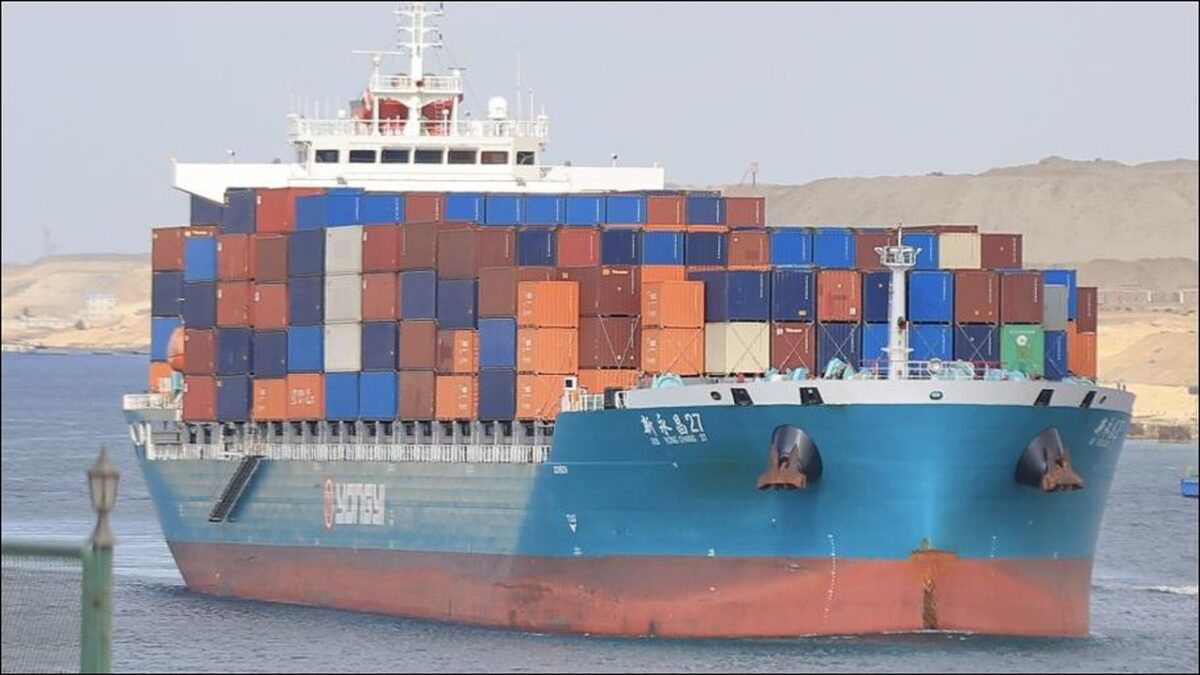
The sharp rise in ship insurance premiums and the associated security risks are having a profound and multi-faceted impact on global trade and supply chains. One of the most immediate consequences has been the widespread decision by major shipping lines to reroute vessels away from the Red Sea and Suez Canal. Instead, thousands of ships are now undertaking the much longer journey around the Cape of Good Hope, adding considerable time and expense to voyages between Asia and Europe.
This rerouting significantly extends transit times, typically by 10 to 14 days, leading to delays in the delivery of goods across various sectors. For time-sensitive cargo, such as fresh produce, electronics, or fast fashion, these delays can result in spoilage, obsolescence, or missed market opportunities. Furthermore, longer voyages consume significantly more fuel, exacerbating shipping costs and contributing to increased carbon emissions. The ripple effects are already being felt in European markets, where retailers face inventory shortages and consumers may encounter higher prices due to elevated freight rates and supply chain bottlenecks.
Industries heavily reliant on predictable global supply chains, such as automotive, manufacturing, and energy, are particularly vulnerable. The uncertainty created by geopolitical instability forces companies to re-evaluate their just-in-time inventory strategies, potentially leading to increased warehousing costs and a shift towards more resilient, albeit more expensive, supply chain models. The cumulative effect of higher insurance, fuel, and operational costs is a substantial increase in overall freight rates, which inevitably contributes to inflationary pressures across economies, threatening to stifle economic growth and consumer spending worldwide.
Strategies for Navigating Heightened Maritime Uncertainty
In response to the unprecedented challenges posed by rising maritime risks and insurance costs, the shipping industry is implementing a range of strategies to navigate this complex environment. Many vessel operators are prioritizing the safety of their crew and cargo by opting for the longer, safer route around the Cape of Good Hope, despite the increased fuel consumption and extended transit times. This strategic rerouting, while costly, mitigates the risk of attacks and ensures that vessels remain covered by standard insurance policies, avoiding exorbitant war risk surcharges.
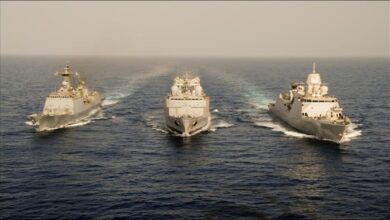
For vessels that must transit high-risk areas, enhanced security measures have become standard practice. This includes employing armed security personnel, implementing advanced surveillance systems, and strictly adhering to maritime security advisories. Companies are also investing in sophisticated intelligence gathering to inform real-time decision-making, allowing them to adapt routes and schedules based on the latest threat assessments. The collaboration with naval forces and international maritime organizations plays a crucial role in providing intelligence and, in some cases, protective escorts through dangerous waters.
Financially, shipping companies are engaging in intensive negotiations with charterers and cargo owners to redistribute the burden of increased costs, including the higher war risk premiums. This often involves renegotiating existing contracts, implementing bunker adjustment factors (BAFs) to account for fuel price increases, and introducing separate war risk surcharges for specific routes. Furthermore, there is a growing emphasis on diversified trade routes and building more resilient supply chains that are less dependent on single chokepoints. This long-term strategic planning aims to insulate global commerce from future geopolitical shocks.
Geopolitical Volatility and the Future of Maritime Commerce
The current situation underscores the enduring vulnerability of global supply chains to geopolitical events. The sharp rise in ship insurance premiums is a stark reminder that international commerce operates within a delicate framework of political stability and security. As long as conflicts persist in strategically vital regions like the Middle East, the maritime industry will continue to face elevated risks and unpredictable costs, fundamentally altering established trade patterns.
The future of maritime security and commerce hinges significantly on diplomatic efforts to de-escalate tensions and establish lasting peace in affected regions. Without a resolution to these conflicts, shipping companies and cargo owners will be forced to internalize these higher costs as a permanent feature of international trade, potentially leading to higher consumer prices and reduced economic efficiency globally. The necessity for international cooperation to protect freedom of navigation and ensure the safety of sea lanes has never been more critical.
In the long term, this period of heightened volatility may accelerate innovations in shipping technology and logistics. We might see further investments in alternative trade routes, regionalized supply chains, and advanced vessel designs capable of navigating diverse threats. Ultimately, the resilience of the global shipping industry will be tested, demanding agility, adaptability, and strategic foresight from all stakeholders to sustain the vital flow of goods that underpins the world economy amidst an increasingly complex geopolitical landscape.