Maritime Fire Safety: Compliant Systems Miss Modern Risks | Mariner News
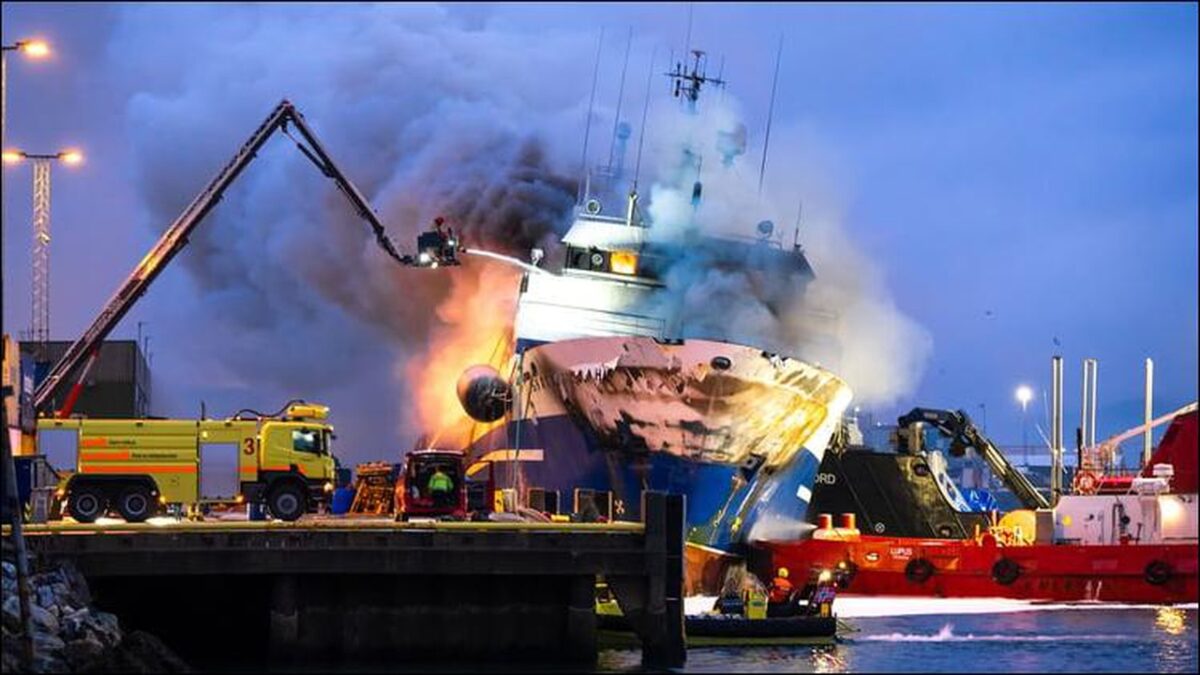
The landscape of maritime fire safety is undergoing a critical transformation. While current fire systems often meet regulatory compliance, a growing concern reveals they may be ill-equipped for modern maritime risks. The reliance on paper compliance frequently masks a fundamental mismatch with today’s operational realities, where new technologies present unprecedented fire challenges.
Emerging Fire Risks in Modern Shipping
Traditional fire detection and suppression methods, designed for engine rooms and conventional cargo, are increasingly outdated. The proliferation of electric vehicles (EVs) onboard, the adoption of alternative fuels like LNG, and complex, densely packed cargo configurations introduce fire behaviors previously unaccounted for. These modern risks, from thermal runaway in EV batteries to highly volatile fuel fires, demand more sophisticated solutions than conventional water spray or CO2 systems can provide.
Bridging the Compliance-Readiness Gap
The industry must move beyond simply checking boxes. True operational readiness in maritime fire protection requires a reevaluation of existing protocols and investment in advanced technologies. It’s not a failure of maintenance but a call for system upgrades tailored to contemporary threats. Ensuring robust fire prevention and effective suppression against these new hazards is paramount for future maritime safety and operational integrity.