

Mariam M grounding exposes the drift risk of Black Sea drone strikes

The grounding of the Mariam M in Romania shows how drone strikes create long-term navigational hazards for Black Sea shipping.
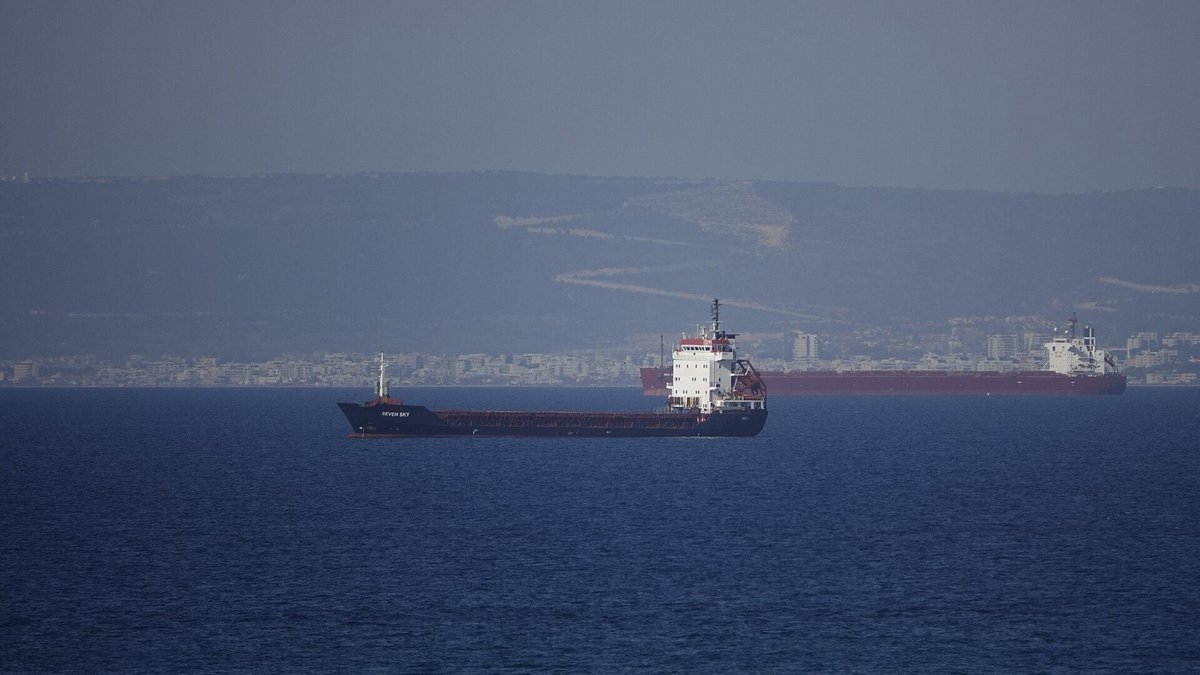
The grounding of the damaged freighter Mariam M on the Romanian coast proves that the risk from Black Sea drone strikes extends far beyond the initial kinetic impact. Abandoned vessels now pose a secondary threat to commercial navigation and coastal environments as they drift out of the conflict zone.
The Mariam M ran aground near the village of Vadu in Constanta County, ending a wandering course that began when its anchor chain parted on November 14. The vessel had been anchored off the coast since September 17, when a Russian drone strike set the bridge on fire and killed the captain while the ship was bound for the Ukrainian port of Reni. Romania’s search and rescue agency attempted to intercept the drifting ship, but rough conditions prevented a towing vessel from making up a line.
The shipowner has now contracted a private towing operator to refloat the vessel and transport it to a shipyard for repairs, according to Informat.ro. This follows a similar incident in August where the bulker Emil drifted 40 nautical miles east of Cape Shabla after a drone strike off Odesa.
Why it matters
The Mariam M is the second disabled vessel to drift into neutral waters this year, confirming that a drone strike creates a ghost ship liability that lasts for months. When crew members abandon a damaged vessel, the risk of anchor failure turns a private loss into a public navigational hazard for every other ship in the western Black Sea. Owners and charterers must now account for the high probability that a disabled vessel will not stay where it is put.
The location of the grounding adds a specific layer of environmental liability. By landing in the Danube biosphere preserve, the Mariam M has moved from a war-risk casualty to a potential ecological threat in a wild and scenic protected area. This shift likely increases the complexity of salvage and the ultimate claim costs for the owner and their underwriters.
The persistence of these drifting hazards suggests that the current salvage infrastructure is struggling to secure vessels immediately after a strike. Until salvage capacity improves or the pace of strikes slows, neutral shipping lanes will continue to face navigational warnings for unpowered, unmanned hulls drifting south from the conflict zone.
What to watch
Watch for an acceleration in strikes on shipping as Russia retaliates for the Ukrainian attack on the Kerch Strait Bridge. The immediate operational trigger will be the success of the private refloating operation at Vadu and whether the Mariam M can be safely moved to a shipyard.
Source: The Maritime Executive