March Alternative-Fuelled Ship Orders Decline: DNV | Mariner News
The maritime industry’s journey towards decarbonization faced a notable slowdown in March, as new orders for alternative-fuelled vessels decreased for the third consecutive month. According to data from the DNV’s Alternative Fuels Insight (AFI) platform, only five such vessels were ordered globally, a sharp decline from previous months and the same period last year. This trend in alternative-fuelled newbuild orders raises questions about the pace of the shipping sector’s green transition and highlights the complexities involved in adopting more sustainable maritime practices.
DNV, a leading classification society, monitors these crucial metrics to provide transparency on the industry’s commitment to cleaner operations. The March figures, as highlighted by Kristian Hammer, product manager for AFI and senior consultant at DNV, included two LNG-fuelled car carriers, two LPG carriers, and one methanol-fuelled platform supply vessel (PSV). This diverse but small collection of orders underscores the current hesitancy or recalibration within the market for greener shipping solutions, even as the push for environmental compliance intensifies globally. Understanding the factors behind this contraction is vital for stakeholders across the entire shipping value chain.
Understanding the Dip in Alternative Fuel Vessel Orders
March 2026 marked a significant contraction in the appetite for new alternative-fuelled vessels, with just five orders placed globally. This figure represents a stark contrast to the 25 alternative-capable ships ordered in March of the previous year and is a notable decrease from the 17 orders recorded in February of the current year. The overall first quarter of 2026 also saw a substantial reduction, with 45 alternative-capable vessels ordered compared to 73 in the same period last year. These statistics, provided by DNV’s AFI platform, serve as a critical barometer for the maritime industry’s investment in sustainable shipping technologies.
Several factors could contribute to this observed decline in green vessel orders. Economic uncertainties, fluctuating fuel prices for both conventional and alternative fuels, supply chain disruptions, and the evolving landscape of environmental regulations may all play a role. Shipowners and investors might be exercising caution, awaiting clearer signals regarding future fuel availability, pricing stability, and the long-term viability of various propulsion technologies. The capital investment required for these advanced vessels is substantial, making strategic timing and risk assessment paramount in a dynamic global market. Furthermore, the capacity of shipyards to handle complex newbuilds with alternative fuel systems could also be a bottleneck, affecting order placement rates.
Industry experts suggest that while the immediate numbers appear concerning for the pace of maritime decarbonization, it could also reflect a period of assessment and consolidation. Many companies are still evaluating the best pathways to meet emission reduction targets, with a myriad of alternative fuels and technologies on the horizon, from ammonia and hydrogen to advanced battery systems. This period of decreased orders might be a temporary pause as the industry refines its strategies and waits for greater standardization and infrastructure development around these emerging fuel options. The long-term commitment to sustainable shipping remains, but the short-term fluctuations highlight the challenges inherent in a large-scale energy transition.
Diverse Green Fuels: LNG, LPG, and Methanol in Focus
The orders placed in March, though few, showcased the continued interest in specific alternative fuel types: Liquefied Natural Gas (LNG), Liquefied Petroleum Gas (LPG), and Methanol. LNG has been a frontrunner in the alternative fuel space for several years, offering significant reductions in sulfur oxide (SOx), nitrogen oxide (NOx), and particulate matter emissions, alongside a moderate reduction in CO2 compared to conventional heavy fuel oil. Its established bunkering infrastructure in key ports makes it an accessible option for many operators seeking immediate environmental improvements and compliance with stricter air quality regulations.
LPG, traditionally used in smaller vessels or as cargo, is gaining traction as a marine fuel. It offers a relatively clean burn with lower carbon emissions than conventional fuels and has a more straightforward storage and handling infrastructure compared to LNG. The two LPG carriers ordered in March underscore its growing appeal, particularly for specific vessel types and routes where its operational advantages and environmental benefits align with business objectives. As a readily available byproduct of oil and gas production, LPG can serve as a transitional fuel, providing a stepping stone towards even greener solutions.
Methanol, represented by the single platform supply vessel (PSV) order, is emerging as a promising future marine fuel. It is liquid at ambient temperatures, making storage and bunkering relatively easy, similar to traditional fuels. Methanol combustion produces very low SOx and particulate matter emissions, and it offers a pathway to carbon neutrality if produced from renewable sources (green methanol). The PSV order is indicative of early adopters exploring methanol’s potential, especially in sectors like offshore support where flexibility and environmental performance are critical. The future growth of methanol as a marine fuel hinges on increased production of its green variant and the expansion of bunkering facilities.
DNV’s AFI Platform: A Barometer for Green Shipping
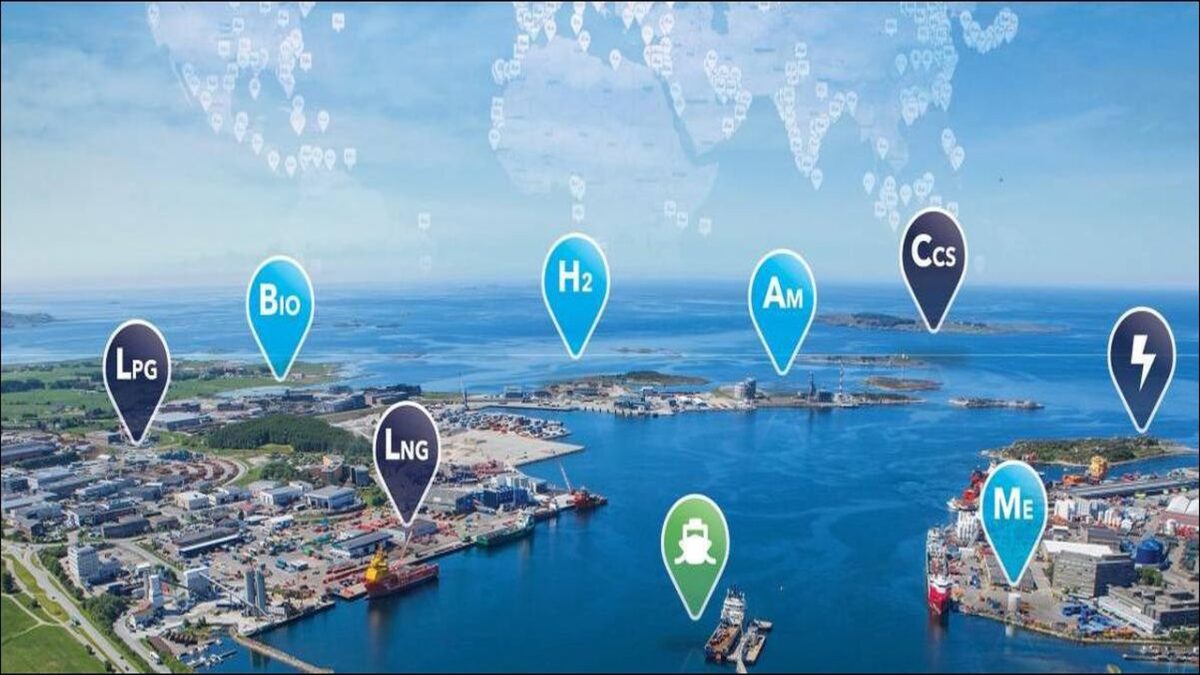
DNV’s Alternative Fuels Insight (AFI) platform stands as a crucial data source and analytical tool for the maritime sector’s decarbonization efforts. By tracking newbuild orders and deliveries of alternative-fuelled vessels, the AFI platform offers transparent, up-to-date information that helps stakeholders understand market trends, identify emerging technologies, and assess the overall progress towards sustainable shipping. Its role extends beyond mere data collection; it provides a foundational understanding for strategic planning, policy formulation, and investment decisions across the shipping industry.
The platform’s robust data not only reveals declines but also highlights areas of strong activity. For instance, while new orders slowed in Q1 2026, the AFI platform also showed strong delivery activity, with 60 alternative-fuelled vessels delivered in the first three months of the year. This includes 27 LNG-fuelled and 17 methanol-fuelled vessels, reflecting the robust order pipeline built up in these segments over the past three to four years. This indicates that the industry is still actively bringing cleaner vessels into operation, fulfilling prior commitments, even if new commitments are temporarily easing. The cycle of orders and deliveries can vary, and a dip in orders might not immediately reflect a halt in the transition, but rather a realignment or pause.
The insights from the AFI platform are invaluable for policymakers, shipyards, engine manufacturers, fuel suppliers, and financial institutions involved in the maritime space. By providing granular data on fuel types, vessel segments, and regional trends, DNV helps to illuminate the complex dynamics of the energy transition. This transparency fosters informed discussions and collaborative initiatives aimed at overcoming the challenges associated with adopting green maritime fuels and technologies. The continuous monitoring through AFI ensures that the industry can react proactively to shifts, whether they are dips in orders or surges in new technological advancements.
Navigating the Future of Sustainable Maritime Transport
Despite the recent dip in alternative-fuelled newbuild orders, the overarching trend and commitment towards sustainable maritime transport remain strong. The International Maritime Organization (IMO) and regional regulations continue to push for significant reductions in greenhouse gas emissions from shipping, driving innovation and investment in cleaner technologies. The long-term trajectory for maritime decarbonization is set, and while month-to-month fluctuations in orders are expected in a nascent market, the fundamental shift towards greener operations is undeniable. Shipowners are still under pressure to modernize their fleets and embrace environmentally friendly solutions to maintain competitiveness and comply with global standards.
The shipping industry is undergoing an unprecedented transformation, moving away from a single-fuel paradigm towards a multi-fuel future. This transition is characterized by ongoing research and development into various propulsion systems, energy efficiency measures, and operational optimizations. Future growth in alternative fuel orders will likely be influenced by the maturation of these technologies, the establishment of more comprehensive bunkering networks, and the development of clear regulatory frameworks that provide long-term certainty for investments. The current slowdown might offer a brief window for reflection and strategic planning before the next wave of green shipping investments.
Collaboration across the entire maritime value chain—from ship designers and builders to fuel producers and port authorities—is paramount for accelerating the adoption of alternative fuels. Sharing knowledge, pooling resources for infrastructure development, and establishing robust supply chains for new green fuels will be crucial. Initiatives aimed at de-risking investments in sustainable vessels and technologies will also play a significant role in stimulating future orders. The journey to zero-emission shipping is complex and multifaceted, requiring sustained effort and innovation from all stakeholders. The insights from DNV and other industry watchdogs help in navigating this intricate path, ensuring that the industry stays on course towards a truly sustainable future.
Implications for Shipping Decarbonization Efforts
The recent data from DNV indicating a decline in alternative-fuelled newbuild orders in March carries significant implications for the broader maritime decarbonization efforts. A sustained downturn could slow the rate at which the global fleet transitions to cleaner fuels, potentially impacting the industry’s ability to meet ambitious emission reduction targets set by international bodies like the IMO. While deliveries of previously ordered vessels continue at a strong pace, the pipeline for future green ships needs constant replenishment to maintain momentum. This highlights the delicate balance between market forces, technological readiness, and regulatory pressures in driving environmental change within a capital-intensive industry.
This trend also underscores the challenges associated with the ‘first mover advantage’ and ‘wait and see’ approaches. Early adopters of alternative fuel technologies might face higher initial costs and infrastructure hurdles, while those who delay risk being left behind as regulations tighten and green finance becomes more prevalent. The current market conditions might suggest a pause as the industry seeks greater clarity on the most viable long-term green fuel solutions and their associated infrastructure. This period is crucial for consolidating knowledge, evaluating pilot projects, and addressing the technical and financial barriers that hinder widespread adoption of sustainable vessel technologies.
Ultimately, the shipping industry’s commitment to a cleaner future is unwavering, but the path will undoubtedly have its ups and downs. The March figures, while a cause for attention, also provide valuable data points for analysis and adaptation. Stakeholders must use these insights to refine strategies, foster innovation, and accelerate the development of comprehensive ecosystems for green maritime fuels. Continued investment in research, infrastructure, and policy support will be essential to overcome these short-term fluctuations and ensure the long-term success of the maritime sector’s decarbonization journey. The ambition for green shipping remains strong, requiring a collective effort to translate this vision into consistent, impactful action.