Maersk’s US Defense Contract Dilemma Amidst Greenland Tensions | Mariner News
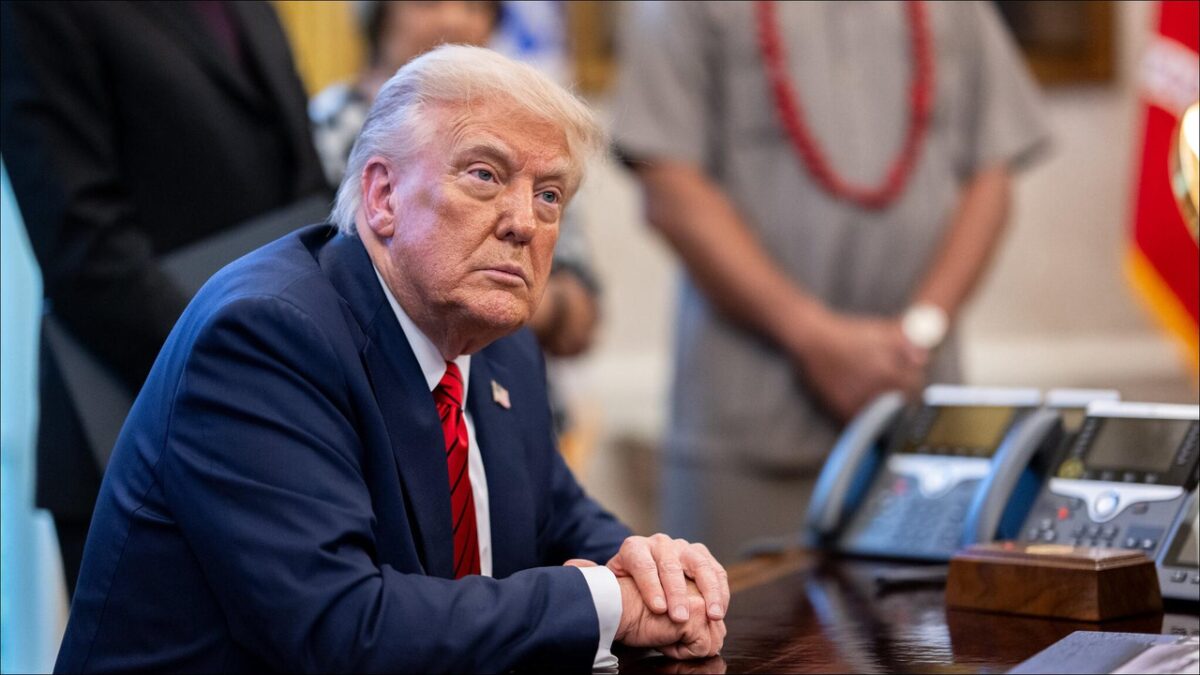
Maersk, the renowned global shipping company, faces a significant dilemma regarding its extensive US defense contract. The Danish giant has committed 23 vessels to support the US military, a critical partnership. However, recent threats by the US President against Denmark concerning Greenland could place A.P. Moller-Maersk in a precarious position. This complex situation highlights the intricate link between international geopolitics and global maritime operations, forcing the company to navigate a sensitive political landscape while upholding its contractual obligations.
Geopolitical Crossroads for Global Shipping
The unfolding scenario presents a unique challenge for Maersk’s US military contract. As a Danish corporation, its operations are now intertwined with diplomatic tensions between the United States and Denmark. This potentially strains the relationship between the company’s home country and its vital defense client. The commitment of such a substantial fleet for naval logistics means Maersk must carefully consider its strategic positioning and the implications for future international trade agreements and container shipping operations.
Navigating Future Maritime Challenges
The current political climate underscores the vulnerabilities international shipping companies face when national interests collide. For Maersk, balancing commercial interests with national loyalty and defense responsibilities becomes paramount. This situation demands careful risk management and strategic foresight to avoid disruption to essential maritime logistics. The incident could set a precedent for how global corporations manage defense contracts amidst escalating international disputes.
This complex shipping dilemma will undoubtedly influence how Maersk, and indeed the broader shipping industry, approaches future government partnerships and geopolitical risks. The outcome will be closely watched by stakeholders keen to understand the long-term impact on international trade and defense supply chains.