Maersk Ship Shrapnel Hit in Persian Gulf | Mariner News
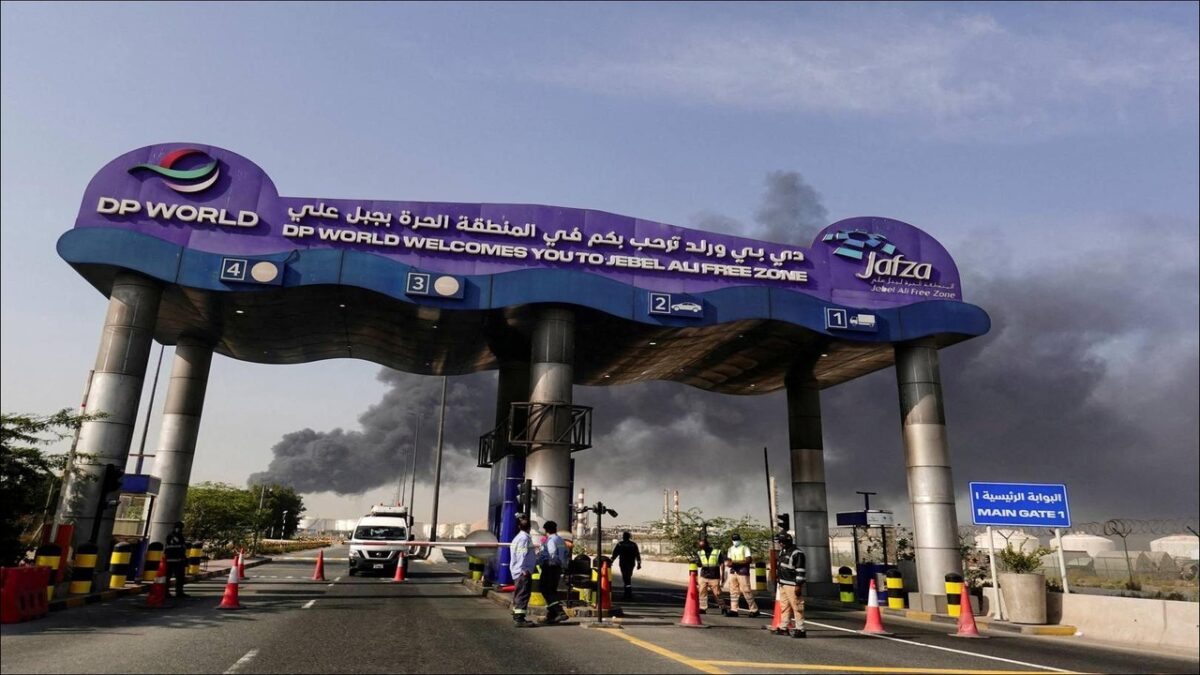
The global maritime industry remains on high alert following reports of a Maersk ship shrapnel hit in the Persian Gulf, an incident that underscores the persistent security challenges in one of the world’s most critical shipping lanes. While specific details surrounding the attack are still emerging, the confirmation of damage to a Maersk-chartered vessel serves as a stark reminder of the geopolitical complexities impacting international trade. This event, occurring in the volatile waters of the Middle East, immediately raises concerns among shipping operators, cargo owners, and governments alike, prompting renewed discussions on the safety of maritime operations in the Persian Gulf and the broader implications for global supply chains. This incident highlights the delicate balance between maintaining uninterrupted trade flows and navigating regions fraught with elevated risks, pushing companies like Maersk to continually reassess their security protocols and strategic routes. This article delves into the potential ramifications of such an incident, examining the security landscape of the Persian Gulf, its impact on global commerce, and the ongoing efforts to safeguard vital shipping arteries.
The Incident Unfolds: Understanding the Attack
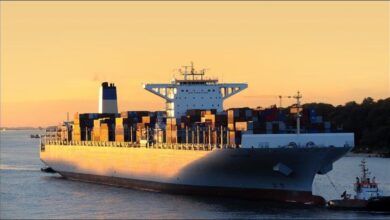
Reports confirm that a vessel operating under charter to Maersk sustained damage from shrapnel while transiting the Persian Gulf. Although the exact circumstances of the impact are still under investigation, early indications suggest the damage was minor, and critically, all crew members are reported safe. The incident did not result in any significant pollution or compromise the vessel’s seaworthiness, allowing it to continue its journey or proceed to a safe port for a full assessment and any necessary repairs. This swift resolution, without loss of life or major environmental harm, is a testament to both the robust design of modern commercial vessels and the immediate response protocols in place for such unpredictable events.
The nature of the damage, specifically “shrapnel,” points towards external factors, likely related to regional tensions rather than accidental causes. Such events typically involve projectiles or debris from nearby incidents, whether intentional attacks or unintended consequences of military or security operations in the vicinity. The precise origin of the shrapnel remains a key piece of information needed to understand the context of the incident fully. This event serves as a critical data point for maritime security analysts, informing their assessments of current threat levels and the effectiveness of existing protective measures within the region. It reinforces the need for vessels to remain vigilant and adhere strictly to all security advisories.
For a global shipping giant like Maersk, incidents of this nature, while infrequent, demand immediate attention and thorough review. The company’s primary concern is always the safety and well-being of its seafarers, followed by the integrity of its vessels and cargo. A detailed post-incident analysis will be crucial for Maersk and its partners to evaluate the risks and adapt future operational strategies. This due diligence ensures that lessons learned are quickly integrated into training and policy, bolstering the overall resilience of their vast global network against unforeseen challenges in high-risk shipping lanes in the Middle East. The incident, though minor in its physical impact, carries significant weight in terms of risk perception for the Maersk fleet and the broader industry.
Navigating Volatile Waters: Persian Gulf Maritime Security Challenges
The Persian Gulf, including the strategically vital Strait of Hormuz, is undeniably one of the most geopolitically sensitive and heavily trafficked waterways in the world. Annually, a substantial portion of the world’s seaborne oil and a significant volume of other commercial goods pass through this choke point. This makes any incident, such as the Maersk ship shrapnel hit in the Persian Gulf, a subject of intense international scrutiny. The region has a documented history of maritime incidents, including drone attacks, mine placements, and missile strikes targeting commercial shipping, often linked to broader geopolitical rivalries and conflicts among state and non-state actors.
The security environment in the Gulf is complex, characterized by the presence of multiple navies, conflicting territorial claims, and the ongoing threat of asymmetric warfare tactics. Commercial vessels transiting these waters must operate under elevated security protocols, often utilizing private security details, enhanced watchkeeping, and adherence to internationally recognized best management practices (BMPs) designed to deter and respond to potential threats. The international community, through organizations like the International Maritime Organization (IMO) and coalitions of naval forces, continually works to ensure the freedom of navigation and the safety of commercial shipping through these critical waterways, but challenges persist due to the dynamic nature of regional hostilities.
Despite these measures, incidents like the recent shrapnel hit demonstrate that no system is entirely foolproof. The sheer volume of traffic, coupled with the unpredictable nature of regional aggressors, means that vulnerabilities will always exist. Shipping companies and their crews are constantly adapting to evolving threats, whether it’s the risk of piracy, which was more prevalent in other areas of the Indian Ocean, or the more sophisticated and state-sponsored attacks seen in the Gulf. Maintaining robust intelligence gathering, sharing, and operational coordination among naval forces and commercial entities is paramount to mitigate risks and protect the flow of global trade through this essential maritime corridor.
Impact on Global Shipping and Supply Chains
An incident involving a major shipping line like Maersk, even if causing minor damage, inevitably sends ripples throughout the global shipping and supply chain network. The immediate reaction often includes an increase in insurance premiums for vessels operating in the “war risk” zones of the Persian Gulf. These higher costs are eventually passed on to consumers, contributing to inflationary pressures on goods that rely on these shipping routes. Beyond financial implications, the psychological impact on seafarers and shipping companies can lead to decisions to reroute vessels via longer, more expensive, and less efficient paths to avoid perceived dangers, potentially causing delays and further straining already complex logistical schedules.
The Persian Gulf is a linchoke for energy transport, making any disruption particularly impactful on global energy markets. While the recent incident may not have directly threatened oil tankers, the general increase in risk perception can affect crude oil prices and the stability of energy supply. Furthermore, the reliance of many industries on “just-in-time” inventory management means that even minor delays or disruptions in the shipping schedule can have cascading effects, leading to manufacturing slowdowns, empty store shelves, and missed deadlines for businesses across continents. This underscores the fragility of modern supply chains to geopolitical instability.
Shipping companies and cargo owners must continuously assess their risk exposure and implement contingency plans. This includes diversifying routes, optimizing inventory levels, and investing in enhanced security measures for their vessels and crews. The recurring nature of such incidents in the Middle East necessitates a long-term strategic approach to maritime security, one that balances economic efficiency with the imperative of safety and reliability. The incident involving the Maersk ship highlights that the stability of international trade is intricately linked to the geopolitical stability of key maritime regions.
Maersk’s Response and Industry Implications
Following the shrapnel hit, Maersk swiftly initiated its internal response protocols, prioritizing the safety of its crew and a thorough assessment of the vessel’s condition. The company is known for its stringent safety standards and robust incident management systems. Their immediate actions typically involve communicating with relevant maritime authorities, coordinating with naval escorts if available, and informing all stakeholders about potential impacts on schedules. Maersk’s transparency in handling such incidents is crucial for maintaining confidence among its clients and the broader shipping community, ensuring that timely and accurate information is disseminated to prevent undue panic or speculation.
The incident is likely to prompt a review of Maersk’s operational procedures for vessels transiting the Persian Gulf, potentially leading to updated security advisories, modified routes, or increased security presence on board chartered vessels. For the wider shipping industry, a Maersk vessel incident serves as a cautionary tale, reinforcing the need for continuous vigilance and adaptation to evolving threats. Industry bodies, classification societies, and international maritime organizations often use such events to refine their guidance and recommendations for safe passage through high-risk areas, disseminating best practices to their members globally.
This incident also shines a light on the broader challenges faced by the shipping industry in regions experiencing geopolitical flux. It emphasizes the collective responsibility of all stakeholders—shipowners, charterers, governments, and international bodies—to work collaboratively towards ensuring the safety and freedom of navigation. Investment in intelligence gathering, naval patrols, and diplomatic efforts to de-escalate regional tensions are all vital components of a comprehensive strategy to protect global maritime trade and prevent more severe disruptions. Maersk, as a leader in the sector, will play a significant role in advocating for and implementing these crucial measures.
Geopolitical Ramifications and Future Outlook
The shrapnel incident involving a Maersk-chartered vessel is not an isolated event but rather a symptom of deeper geopolitical tensions simmering in the Middle East. While specific attribution of responsibility for such attacks can often be complex and contested, they are frequently linked to proxy conflicts or strategic maneuvering between regional powers. Each such incident carries the risk of escalation, potentially leading to more direct confrontations or widespread instability that could severely impact global energy supplies and trade routes, directly affecting the flow of essential goods and commodities worldwide.
International diplomacy plays a critical role in de-escalating these tensions and safeguarding the stability of the Persian Gulf. Efforts by global powers to broker peace, establish de-confliction mechanisms, and ensure adherence to international maritime law are paramount. The continued presence of international naval forces in the region, operating under various mandates, also serves as a deterrent to hostile actions and provides a layer of protection for commercial vessels. However, these forces can only mitigate, not eliminate, the risks associated with a volatile geopolitical landscape.
Looking ahead, the future of shipping in the Persian Gulf will likely remain characterized by elevated security concerns. The imperative for robust risk management, technological advancements in vessel protection, and enhanced intelligence sharing will only grow. Companies like Maersk will continue to navigate a complex environment, balancing the demands of global commerce with the realities of regional instability. The international community’s ability to foster dialogue and address the root causes of conflict will ultimately determine the long-term safety and viability of these vital maritime trade routes for years to come. The Maersk ship shrapnel hit serves as a potent reminder of this ongoing challenge.
The incident involving a Maersk-chartered vessel sustaining a shrapnel hit in the Persian Gulf, while minor in immediate physical damage, serves as a significant marker in the ongoing narrative of maritime security challenges. It highlights the inherent risks faced by commercial shipping operating in high-tension geopolitical zones and underscores the vulnerability of global supply chains to regional conflicts. The incident reinforces the need for continuous vigilance, robust security protocols, and international cooperation to protect the vital arteries of global trade.
Shipping companies, governments, and international organizations must remain committed to enhancing maritime security in the Middle East, investing in intelligence, deterrence, and rapid response capabilities. The enduring strategic importance of the Persian Gulf means that such events, however minor, demand a comprehensive review of operational strategies and a renewed focus on de-escalation efforts. As global trade continues to rely heavily on these critical waterways, ensuring the safe passage of vessels remains an paramount priority for the stability of the world economy. Stay informed on the evolving situation and its impact on global shipping operations.