Maersk retreats from hard-stop deadline on Australia-NZ no-load policy

Maersk scraps the November 30 deadline for its no-load policy in Australia and New Zealand as exporters struggle with documentation readiness.
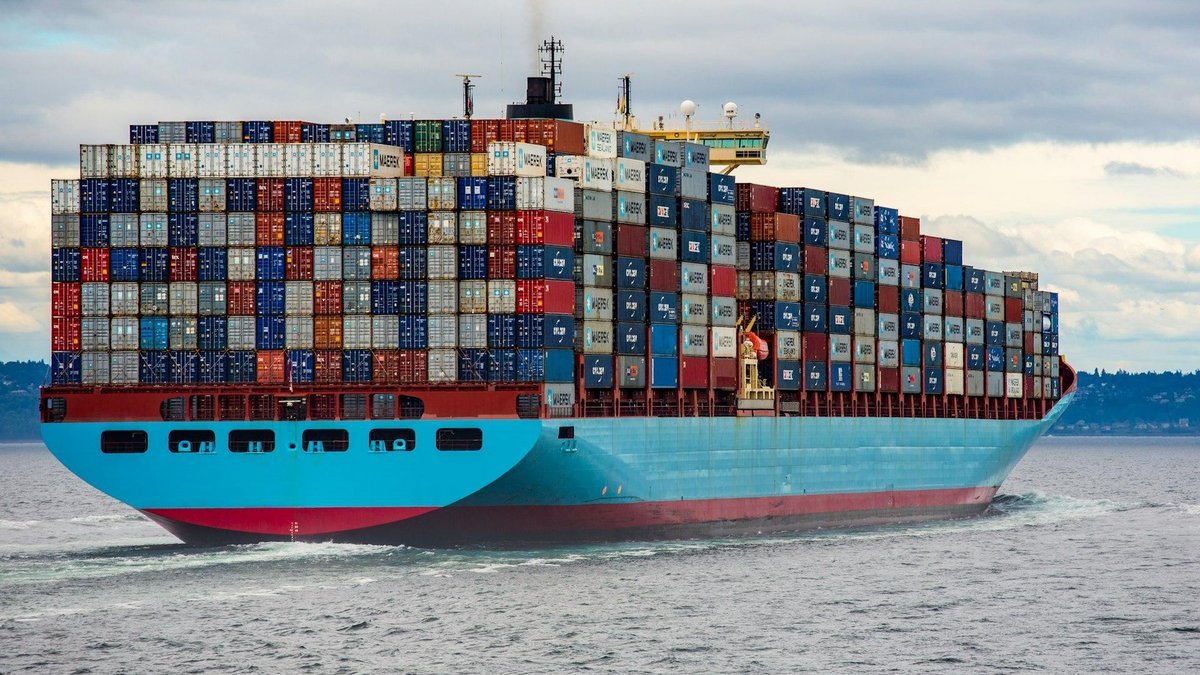
Maersk has scrapped its November 30, 2026, deadline for enforcing a “no-load” policy on Australian and New Zealand exports, signaling that exporters in the region are not yet ready for the carrier’s strict new documentation standards.
The carrier had planned to begin full enforcement following a soft launch on November 2. Maersk stated the extension provides customers more time to establish documentation processes and address outstanding readiness issues with its teams.
Under the policy, exporters must submit accurate Shipping Instructions and verify the bill of lading before cargo is confirmed for vessel planning. Maersk has now placed its proposed 38-hour pre-arrival deadline under review but has not yet announced a replacement date for full implementation.
Why it matters
The delay gives Australian and New Zealand exporters a temporary reprieve from the risk of rolled cargo and the associated costs of storage, detention, and demurrage. Maersk’s decision to put its 38-hour pre-arrival deadline under review suggests the initial timeline was unworkable for the local market. The carrier is effectively admitting that its push for digital efficiency has outpaced the operational reality of its customers.
However, the underlying requirement to complete documentation before loading remains in place. This means the operational burden has not vanished; it has merely been deferred. Exporters who fail to streamline their internal workflows will eventually face the same financial penalties and logistics delays when Maersk finally sets a new enforcement date.
For port and terminal operators, the delay prevents an immediate spike in rehandling and storage issues caused by documentation errors. But the risk is only delayed, not eliminated. Once implemented, cargo that fails the documentation process will be excluded from final load lists and rolled to later vessels, creating potential bottlenecks at terminals in Australia and New Zealand.
What to watch
Maersk has promised advance notice before introducing full enforcement, making the announcement of a new implementation date the final trigger for exporters to fix their documentation or risk having cargo rolled to later vessels.