Maersk Reroutes Bunker Supply Amid Gulf Fuel Disruptions | Mariner News
Maersk, a global leader in container shipping, is taking decisive action to safeguard its extensive shipping operations by actively adjusting its Maersk bunker supply network. The company’s proactive stance comes in response to escalating Gulf disruption that has begun to significantly impact fuel flows across critical maritime routes. This strategic realignment is crucial to maintaining the seamless movement of goods and ensuring the continued stability of global trade amidst emerging challenges in the energy market. As geopolitical tensions in the Middle East create an uneven distribution of essential marine fuels, Maersk’s decision highlights the complex interplay between regional events and worldwide logistics, emphasizing the urgent need for supply chain resilience.
The Ripple Effect: How Gulf Disruptions Impact Global Maritime Fuel Flows
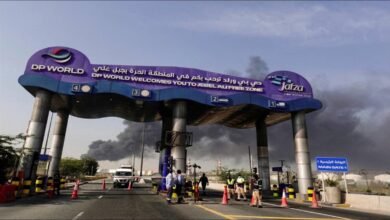
The Middle East, particularly the Gulf region, is a pivotal hub for global energy resources and maritime traffic. Disruptions originating from this area inevitably send reverberations throughout the international shipping industry. Recent instability has directly complicated the logistics of bunker fuel distribution, leading to bottlenecks and uneven availability at key ports. This situation, characterized by energy market volatility, presents a formidable challenge for carriers like Maersk, who depend on predictable and reliable fuel access to power their vast fleets. The Gulf disruption isn’t just about localized shortages; it creates a cascade effect, forcing ships to alter routes or seek alternative vessel refuelling points, adding costs and potential delays.
The intricate global web of maritime logistics relies heavily on established supply chains for marine fuels. When a major source or transit route for petroleum products faces instability, the entire system feels the strain. Refineries in the Gulf are crucial suppliers, and any impediment to their operations or to the secure passage of tankers through chokepoints can quickly deplete local inventories elsewhere. This particular Gulf disruption is causing a significant redistribution challenge, meaning that while fuel may be sufficient globally in absolute terms, getting it to the right place at the right time for shipping operations becomes an increasingly complex puzzle. The imbalance can lead to sharp price fluctuations, increased freight costs, and operational headaches for shipping lines.
This episode underscores the delicate balance within the global bunker fuel supply chain. Marine fuel is needed in enormous quantities, precisely timed for ships arriving and departing from ports worldwide. Any deviation from this finely tuned process can lead to significant disruptions. The current scenario originating from the Gulf region is forcing a re-evaluation of fuel procurement strategies, pushing companies to build more robust contingency plans and diversify their sourcing to mitigate future risks. The challenge isn’t merely one of volume, but of effective, timely, and secure distribution across a volatile geopolitical landscape.
Maersk’s Strategic Response to Safeguard Operational Stability
Recognizing the gravity of the situation, the world’s second-largest container shipping firm, A.P. Moller Maersk, has moved swiftly to implement strategic adjustments to its Maersk bunker supply chain. The company has publicly stated its intent to redistribute fuel across its extensive network, a critical measure aimed at safeguarding operational stability for its global fleet. This proactive approach underscores Maersk’s commitment to protecting the uninterrupted fuel flows and services that underpin global trade. By strategically repositioning fuel, Maersk seeks to prevent potential shortages at crucial vessel refuelling hubs, thereby minimizing the impact on its schedule integrity and customer commitments.
Karsten Kildahl, Maersk’s chief commercial officer, articulated the company’s position, explaining that while global fuel volumes remain adequate, the issue lies in their uneven distribution. “There is currently sufficient fuel globally, but it is unevenly distributed,” Kildahl stated. He further emphasized, “As a result, we are making changes to our fuel supply chain and begin moving fuel to ensure our vessels can continue to bunker where needed – and protect the flow of trade.” This statement highlights the nuance of the problem: not a lack of fuel, but a logistical challenge in getting it to the right place at the right time due to the Gulf disruption. The company’s actions are a testament to its comprehensive supply chain resilience strategies.
This redistribution strategy involves leveraging Maersk’s substantial logistical capabilities and its vast global network to reroute and reallocate fuel resources. Such initiatives are designed to secure the longer-term stability of its global ocean network operations, ensuring the company can continue its vital role in international commerce. Maersk is a prodigious consumer of bunker fuel, with its fleet consuming 10.8 million metric tons in 2025. This enormous demand means that even minor fluctuations in fuel availability or price can have significant financial and operational consequences. Therefore, these early actions to mitigate potential shortages are not merely reactive but are part of a broader, well-thought-out strategy to maintain competitive advantage and service reliability. The company’s experience in managing complex maritime logistics plays a crucial role in executing such a large-scale fuel realignment.
Understanding Bunker Fuel: The Lifeblood of Global Shipping
To fully appreciate the significance of Maersk bunker supply adjustments, it’s essential to understand what bunker fuel is and why it forms the indispensable backbone of the shipping industry. Bunker fuel, essentially a heavy oil product, is the primary fuel source for the vast majority of commercial vessels that crisscross the world’s oceans. Its name derives from the “bunkers” or tanks where it is stored on ships. Without a consistent and reliable supply of this fuel, the intricate web of global trade would grind to a halt, impacting everything from consumer goods availability to industrial raw material supply chains. The uninterrupted flow of fuel flows is therefore paramount for the global economy.
The procurement and management of bunker fuel are complex processes, often involving long-term contracts, spot market purchases, and intricate logistical planning. Factors such as global oil prices, geopolitical events, refinery output, and regional demand all influence the availability and cost of bunker fuel. Shipping companies like Maersk must constantly monitor these variables to optimize their fuel procurement strategies. The challenge posed by the current Gulf disruption is particularly acute because it affects not just one aspect of this complex equation, but potentially multiple: supply, distribution routes, and market stability. This emphasizes the critical need for diversified sourcing and robust risk management in bunker fuel distribution.
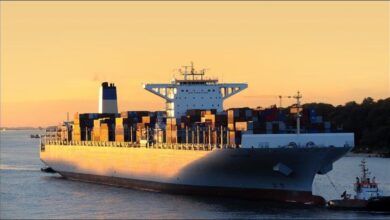
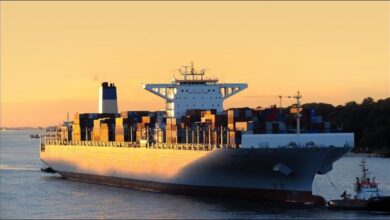
The sheer scale of fuel consumption by the global container shipping fleet is staggering. Ships operate continuously, often for weeks or months at a time, requiring massive quantities of fuel for propulsion, power generation, and other onboard systems. Any disruption to vessel refuelling schedules can cascade into significant delays, missed port calls, and substantial financial penalties. Therefore, operational stability in fuel supply is not merely a convenience but an absolute necessity for the profitability and reliability of shipping lines. Maersk’s proactive measures reflect this understanding, aiming to secure their future operational integrity against unpredictable market dynamics and external pressures.
Broader Implications for the Shipping Industry and Global Supply Chains
The challenges faced by Maersk regarding its Maersk bunker supply due to Gulf disruption are not isolated incidents but rather a stark indicator of broader vulnerabilities within the global shipping industry. While Maersk possesses significant resources and logistical prowess, smaller carriers may find themselves in a more precarious position. This situation could lead to widespread delays across various maritime logistics networks, affecting not only container shipping but potentially also bulk and tanker segments if fuel supply issues persist. The ripple effect on global trade could manifest as increased freight rates, longer transit times, and potential shortages of goods, impacting consumers and businesses worldwide.
The uneven fuel flows and the necessity for carriers to re-optimize their bunker fuel distribution could trigger significant shifts in market dynamics. We might see a premium placed on fuel availability in certain regions, leading to higher operating costs for shipping lines. These increased costs are often passed on to consumers, contributing to inflationary pressures. Moreover, the focus on securing fuel could divert resources and attention from other critical areas, such as decarbonization efforts or technological upgrades, as companies prioritize immediate shipping operations and survival. The incident highlights the inherent fragility of long-distance supply chains that are heavily reliant on a stable and predictable energy market, exacerbated by geopolitical events.
Ultimately, this situation serves as a powerful reminder for all stakeholders in global commerce to enhance their supply chain resilience. Businesses dependent on international shipping must anticipate and plan for potential disruptions, whether stemming from Gulf disruption, natural disasters, or other unforeseen events. Diversifying sourcing locations, pre-positioning inventory, and exploring alternative transport modes are becoming increasingly vital strategies. For the shipping industry itself, the emphasis on robust fuel procurement strategies, the development of agile logistics systems, and potentially accelerating the transition to alternative, less volatile fuel sources will be critical for future operational stability and the sustained health of global trade. The current environment underscores the interconnectedness of energy, geopolitics, and global commerce.
Future Outlook and Mitigation Strategies for Maritime Fuel Security
As the global shipping industry grapples with the immediate impact of Gulf disruption on Maersk bunker supply and broader fuel flows, the long-term outlook necessitates strategic shifts towards greater fuel security and supply chain resilience. The current scenario is a potent reminder that reliance on a single, often geopolitically sensitive, energy source poses significant risks to global trade stability. Companies are increasingly exploring diverse fuel procurement channels, but also looking beyond traditional fossil fuels as a viable long-term solution. The imperative to maintain operational stability while navigating complex maritime logistics in a volatile world is driving innovation and investment in future-proof energy solutions.
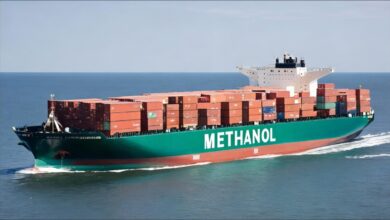
One key mitigation strategy involves accelerating the adoption of alternative marine fuels. While currently more expensive and less widely available, fuels like LNG, methanol, ammonia, and eventually hydrogen, offer pathways to reduce dependence on conventional bunker fuel, which is susceptible to energy market volatility and geopolitical events. Maersk itself is a leader in this transition, having invested heavily in methanol-fueled vessels. This forward-thinking approach, while primarily driven by sustainability goals, also serves as a crucial strategy for enhancing fuel security by diversifying energy sources and reducing exposure to regional disruptions in oil supply. The development of robust infrastructure for vessel refuelling with these new fuels is an ongoing challenge, but one that is gaining urgent attention.
Furthermore, shipping companies are likely to invest more in advanced analytics and real-time monitoring systems to better predict and respond to disruptions in bunker fuel distribution. The ability to quickly identify emerging issues, reroute vessels, and reallocate resources will be paramount. Building stronger partnerships with fuel suppliers and developing sophisticated risk management frameworks will also be crucial. The overarching goal is to create a more agile and adaptable global network that can withstand shocks without compromising the integrity of shipping operations. The ongoing Gulf disruption serves as a vital learning experience, highlighting the continuous need for innovation and adaptation in the maritime sector to ensure the unwavering reliability of global trade. The focus on enhancing supply chain resilience will remain a top priority for years to come.