Maersk Red Sea Halt: Impact on Global Shipping | Mariner News
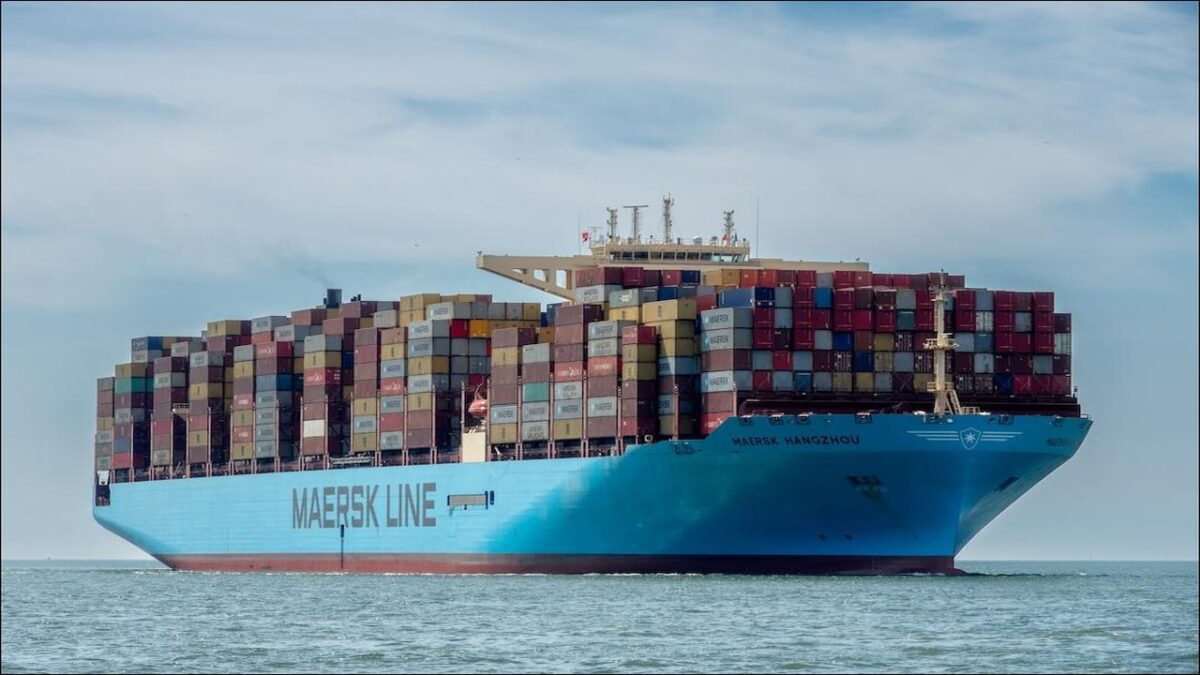
Maersk, a global leader in container shipping, has made the significant decision to stop sailing through the troubled straits in the Middle East, specifically the Bab-el-Mandeb Strait and the Red Sea. This pivotal move comes in response to escalating security threats, primarily from Houthi militants targeting commercial vessels in the vital waterway. The company’s announcement sent ripples across the maritime industry and global supply chains, signaling a critical shift in how international trade navigates one of the world’s most strategic maritime corridors. The decision underscores the severe risks faced by crew and cargo, compelling shipping giants like Maersk to prioritize safety over established routes, even if it means considerable operational and financial implications. This action by Maersk stops sailing through a region that is indispensable for East-West trade, thereby introducing new complexities and uncertainties into an already volatile geopolitical landscape.
Navigating Troubled Waters: The Red Sea’s Strategic Importance
The Red Sea, connected to the Suez Canal, serves as a crucial artery for global trade, facilitating the passage of an estimated 12% of worldwide maritime commerce. Its southern choke point, the Bab-el-Mandeb Strait, is particularly narrow and vulnerable, making it a flashpoint for regional conflicts. Historically, this route has offered the shortest and most efficient sea link between Asia and Europe, enabling rapid transit of goods, from consumer electronics to energy resources. The alternative, a far longer journey around Africa’s Cape of Good Hope, adds weeks to transit times and significantly increases fuel consumption, directly impacting operational costs and delivery schedules.
The recent surge in attacks on commercial shipping in this region, largely attributed to Houthi forces in Yemen, has created an untenable security situation. These attacks, often involving drones and missiles, pose an immediate and grave danger to vessels and their crews, transforming a routine passage into a high-stakes gamble. For companies like Maersk, the primary concern is the safety of their seafarers and the integrity of their cargo, making continued operation through such troubled straits an unacceptable risk. The decision to halt Red Sea shipping operations is not merely an operational adjustment but a stark acknowledgment of the escalating geopolitical instability directly impacting global maritime security.
This disruption in the Middle East shipping lanes affects hundreds of vessels daily, carrying billions of dollars worth of goods. The instability threatens not just the immediate transit of cargo but also the long-term reliability and predictability of international logistics. As leading carriers divert their fleets, the ripple effects are felt across the entire ecosystem of global supply chains, from manufacturers planning production schedules to retailers managing inventory and consumers anticipating product availability. The strategic importance of the Red Sea cannot be overstated, and its current state of insecurity necessitates a re-evaluation of established trade routes and risk management strategies across the industry.
The Domino Effect on Global Supply Chains and Trade
Maersk’s decision to stop sailing through the Red Sea immediately triggers a substantial domino effect on global supply chains. The rerouting of container ships around the Cape of Good Hope means significantly extended transit times, often adding 7-14 days to a typical journey between Asia and Europe. This delay impacts the entire logistics chain, leading to bottlenecks at destination ports, increased lead times for inventory replenishment, and potential stockouts for businesses relying on just-in-time delivery models. Every day added to a vessel’s voyage translates into lost sales opportunities, production delays, and a cascading effect on downstream industries, from automotive manufacturing to fast fashion retail. The predictability that modern supply chains demand is now severely compromised, forcing companies to adapt to a new normal of prolonged uncertainty.
Beyond just time, the financial implications are substantial. Longer routes around Africa necessitate higher fuel consumption, driving up operational costs for shipping lines. These increased expenses are inevitably passed on to consumers through higher freight rates and potentially increased insurance premiums for voyages through high-risk areas. The cost of container shipping, which had seen some stabilization after the pandemic-induced highs, is now facing renewed upward pressure, impacting the landed cost of goods across various sectors. Furthermore, the need for additional vessels to maintain existing service frequencies due to longer round-trip times could strain fleet availability, exacerbating the capacity crunch and contributing further to rising shipping costs.
The rerouting also places immense pressure on port infrastructure that may not be equipped to handle sudden surges in vessel traffic or changes in arrival schedules. Port congestion, a familiar problem during the pandemic, could re-emerge as ships arrive off-schedule, creating delays in cargo offloading and onward distribution. This disruption extends beyond the major global hubs, affecting feeder services and intermodal transport networks that rely on timely arrivals. The integrity of global trade, built on efficiency and predictability, is being fundamentally challenged, pushing companies to reassess their inventory management strategies, potentially leading to increased warehousing costs and the need for greater buffer stocks to mitigate future disruptions.
Economic Repercussions and Consumer Impact
The economic repercussions of major shipping lines like Maersk diverting from the Red Sea are far-reaching, potentially impacting global inflation and economic stability. Higher freight rates, fuel surcharges, and increased insurance costs for maritime security translate directly into elevated prices for imported goods. Consumers may soon face higher costs for a wide range of products, from electronics and apparel to toys and automotive parts, as businesses pass on their increased logistics expenses. This scenario adds inflationary pressure to economies already grappling with post-pandemic recovery and ongoing geopolitical tensions, potentially hindering efforts by central banks to control price increases and maintain economic growth.
The disruption also challenges the efficiency of modern manufacturing and retail. Industries that have optimized their operations around lean inventory and just-in-time supply chains are particularly vulnerable. Delays in raw material deliveries can halt production lines, leading to manufacturing backlogs and reduced output. For retailers, delayed shipments mean shelves may go empty, disappointing customers and resulting in lost sales. The cumulative effect of these challenges can dampen consumer confidence and spending, impacting various sectors and potentially slowing down overall economic activity. The intricate web of global commerce is proving sensitive to instability in key maritime chokepoints, illustrating how localized conflicts can have global economic ramifications.
Furthermore, the long-term uncertainty surrounding the Red Sea shipping routes may prompt businesses to reassess their supply chain strategies. This could accelerate trends towards nearshoring or reshoring production, albeit at a higher cost, to reduce reliance on vulnerable international shipping lanes. While such shifts could enhance supply chain resilience in the future, they also entail significant investment and restructuring in the short term, adding further economic friction. The energy sector, though not primarily carried by container ships, also watches closely as any prolonged disruption in the Middle East straits could impact oil and gas tanker transits, potentially influencing global energy prices and exacerbating economic volatility.
Maersk’s Strategy and Industry Response
Maersk’s decision to stop sailing through the Red Sea is a testament to its commitment to crew safety and operational integrity, a move echoed by several other major container shipping lines. Upon the initial escalation of attacks, Maersk temporarily paused all transits, rerouting vessels around the Cape of Good Hope. This proactive stance, while costly, prioritizes the well-being of its seafarers above all else. The company continuously monitors the security situation, engaging with international naval forces and security experts to assess the evolving threat landscape. Their strategy involves clear communication with customers, providing transparent updates on route changes, transit times, and any associated surcharges to manage expectations effectively.
The broader shipping industry has responded with a mix of caution and coordination. Other leading carriers such as MSC, Hapag-Lloyd, CMA CGM, and Evergreen have also announced similar diversions, acknowledging the collective risk posed by operations in the Red Sea. This unified industry response highlights the severity of the security concerns and the shared understanding that the risks outweigh the benefits of using the shorter route. While some smaller or specialized carriers might still attempt the Red Sea transit with enhanced security measures, the dominant trend among major players is rerouting, signaling a collective effort to de-escalate risks and ensure the safety of global maritime trade.
International efforts, such as Operation Prosperity Guardian led by the United States, aim to bolster maritime security in the Red Sea through increased naval presence and defensive operations. However, the effectiveness and long-term sustainability of such operations in deterring attacks remain under scrutiny. Shipping lines, including Maersk, are evaluating whether these security initiatives can sufficiently mitigate the threats to warrant a return to normal transits. The balance between maintaining efficient shipping routes and ensuring the absolute safety of vessels and crew is a complex challenge, requiring continuous risk assessment and adaptable operational adjustments in response to the dynamic geopolitical situation in the Middle East.
Looking Ahead: The Future of Maritime Security in the Middle East
The ongoing disruption in the Red Sea shipping lanes poses critical questions about the future of maritime security in the Middle East and its implications for global trade. The current situation underscores the vulnerability of vital maritime chokepoints to regional conflicts and non-state actors, necessitating a comprehensive international strategy. Diplomatic efforts to de-escalate tensions in the broader Middle East are paramount, as a stable geopolitical environment is fundamental to ensuring the free flow of commerce through strategic waterways like the Red Sea and Bab-el-Mandeb Strait. Without a political resolution to the underlying conflicts, the threats to shipping are likely to persist, demanding long-term adjustments from the maritime industry.
In the short to medium term, the shipping industry will continue to navigate a landscape of heightened risk. This may involve enhanced security protocols for vessels, including increased collaboration with naval escorts where available, and a greater reliance on intelligence sharing to anticipate and avoid threats. Investment in technological solutions for vessel protection and real-time threat detection could also become more prevalent. However, the fundamental challenge remains in ensuring that such measures are both effective and economically viable without unduly burdening the already tight margins of the shipping industry and, by extension, the global consumer.
The long-term outlook for global supply chain resilience will likely see an acceleration of diversification strategies. Businesses may increasingly seek to de-risk their reliance on single, vulnerable routes, exploring new trade corridors or strengthening regional supply chains. The current crisis serves as a stark reminder that efficiency must be balanced with resilience, and that geopolitical instability can rapidly transform optimal routes into dangerous ones. The decisions made by companies like Maersk to stop sailing through troubled straits highlight an urgent need for the international community to safeguard freedom of navigation, ensuring that the critical arteries of global trade remain open and secure for all.
Maersk’s decisive action to stop sailing through the troubled straits of the Red Sea marks a significant moment for global container shipping. It underscores the profound impact geopolitical instability can have on international trade, driving up costs, extending transit times, and challenging the resilience of supply chains worldwide. While the immediate focus is on managing rerouted vessels and mitigating disruption, the broader implications demand a concerted effort from international diplomacy and the maritime industry to restore security and predictability to this vital artery. The global economy now watches keenly, adapting to these new maritime realities as businesses and consumers alike brace for the cascading effects of Maersk’s pivotal decision.