Maersk Port Operations Resume After Drone Attack | Mariner News
In a significant development for global logistics, Maersk, a world leader in container shipping, has confirmed the full resumption of port operations at a key terminal previously affected by a drone attack. This announcement brings a sigh of relief across the maritime industry, signaling a swift recovery and Maersk’s robust response to disruptive events. The incident, which caused temporary closures and rerouting, underscored the escalating challenges facing international shipping lanes and the critical need for advanced security protocols in port infrastructure. The prompt restoration of services is vital not only for Maersk’s extensive network but also for the myriad businesses and consumers globally who depend on the uninterrupted flow of goods. This successful recovery operation by Maersk highlights their unwavering commitment to maintaining supply chain integrity amidst an increasingly volatile geopolitical landscape, reassuring stakeholders that vital trade arteries remain resilient.
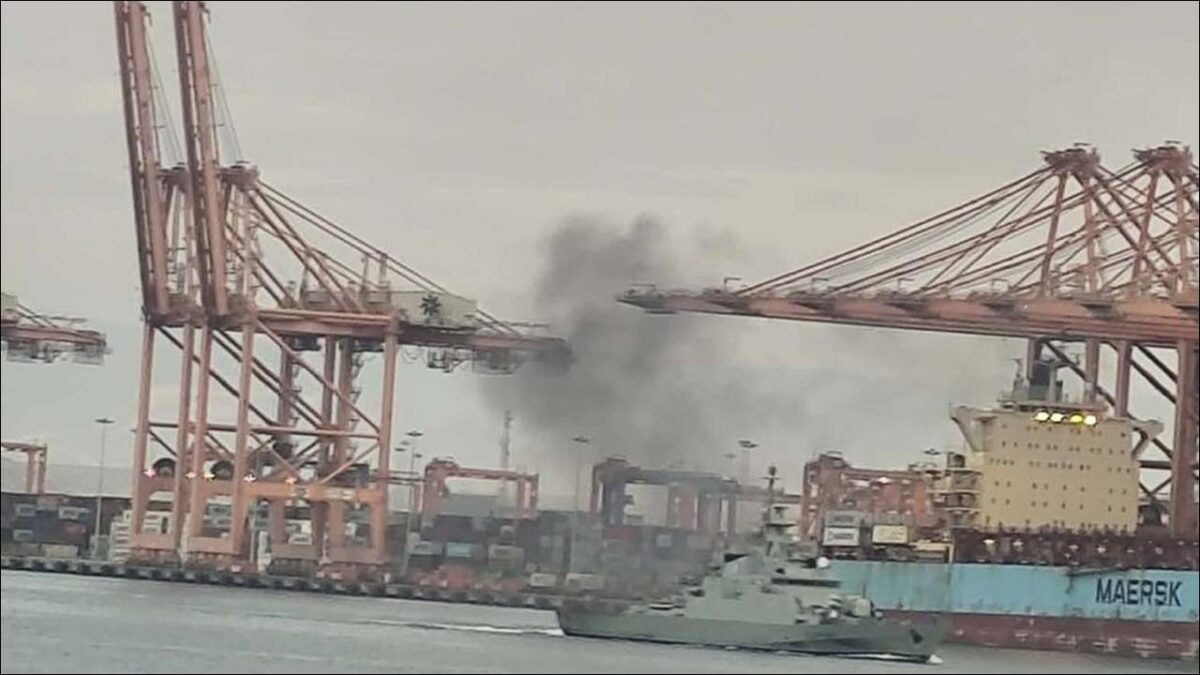
The drone attack, details of which have been closely monitored by security analysts, targeted a strategic port facility, prompting an immediate halt to all loading and unloading activities. While specifics regarding the nature and perpetrator of the attack remain under investigation, the incident served as a stark reminder of the evolving threats to maritime commerce. Port authorities, in close collaboration with Maersk’s operational teams and national security agencies, swiftly implemented emergency protocols. These measures focused on ensuring the safety of personnel, assessing potential damage to critical infrastructure, and safeguarding high-value cargo. The temporary disruption necessitated the rerouting of several Maersk vessels, causing minor delays in delivery schedules and requiring intricate logistical adjustments to minimize impact on customer commitments. Such incidents invariably test the preparedness and resilience of major shipping lines, and Maersk’s coordinated response demonstrated a high level of operational dexterity in managing unforeseen crises.
Maersk’s swift and decisive actions played a pivotal role in mitigating the fallout from the drone incident. Upon confirmation of the attack, the company activated its comprehensive crisis management framework, prioritizing the safety and well-being of its employees and partners. This involved immediate communication with port authorities, government agencies, and affected clients to provide transparent updates and manage expectations. Simultaneously, expert teams were deployed to evaluate the security vulnerabilities exposed by the attack and to implement enhanced protective measures. The rapid assessment of the terminal’s structural integrity and operational readiness was crucial for an expedited return to service. Maersk’s emphasis on thorough security audits and the deployment of advanced surveillance technologies further bolstered confidence in the terminal’s ability to operate safely post-incident. This proactive stance is essential for any major player in the global container shipping sector, where disruptions can have cascading effects across entire economies.
The implications of such disruptions for global supply chains are profound and multifaceted. Ports are crucial nodes in the intricate web of international trade, and any interruption can create significant bottlenecks. The temporary closure of the drone-hit port meant that cargo intended for various destinations faced delays, potentially impacting manufacturing schedules, retail inventory, and consumer availability. For a company like Maersk, which handles a significant portion of the world’s containerized freight, ensuring the continuity of operations is paramount. The incident underscored the fragility of just-in-time logistics models and the necessity for robust contingency planning. Businesses worldwide are increasingly recognizing the importance of diversifying their shipping routes and suppliers to build greater resilience against unforeseen events, whether they be geopolitical tensions, natural disasters, or, as demonstrated here, security threats from unmanned aerial vehicles. The costs associated with rerouting vessels, rescheduling deliveries, and managing client communication can be substantial, highlighting the economic ripple effects of maritime security breaches.
In response to growing threats, the maritime industry is intensifying its focus on maritime security and resilience. Drone technology, while offering numerous commercial benefits, also presents new challenges when weaponized or used for malicious purposes. Port operators and shipping lines are now exploring and implementing advanced counter-drone systems, including detection, identification, and neutralization technologies, to protect vital infrastructure. Furthermore, cybersecurity measures are being reinforced to prevent digital breaches that could compromise port operations or shipping logistics. Training programs for port personnel and vessel crews are being updated to include protocols for responding to drone-related threats. Collaboration between public and private sectors, intelligence agencies, and international bodies is also crucial in developing a unified approach to safeguarding critical maritime assets. This integrated strategy aims to create a multi-layered defense system capable of deterring and responding effectively to a wide range of evolving security risks, ensuring the stability of global logistics networks.
Looking ahead, the incident serves as a catalyst for future-proofing port infrastructure and shipping resilience. Maersk’s experience at the drone-hit port reinforces the need for continuous investment in state-of-the-art security systems and flexible operational models. The company is expected to leverage lessons learned from this event to further enhance its risk management strategies and operational protocols across its global network of terminals. This includes conducting more frequent and rigorous security drills, upgrading surveillance capabilities, and fostering closer intelligence-sharing partnerships. For the broader industry, there is a clear call for greater international cooperation to standardize security measures and develop frameworks for managing emerging threats effectively. The goal is to build a more robust, adaptable, and secure global shipping ecosystem that can withstand various disruptions, ensuring that the vital arteries of global trade remain open and efficient for the flow of cargo and commerce. The return to full functionality at the affected terminal is a testament to the industry’s commitment to overcoming adversity and adapting to new realities in maritime security.
The resumption of full operations at the port is more than just a logistical update; it’s a powerful statement on the tenacity and adaptability of the global shipping industry. Maersk’s successful navigation through this challenging period underscores the company’s operational excellence and its dedication to maintaining the integrity of global supply chains. While the threat landscape continues to evolve, this incident has provided valuable insights into the vulnerabilities and the critical importance of proactive security measures. The collective efforts of Maersk, port authorities, and security agencies ensured a rapid return to normalcy, minimizing the long-term impact on trade. This event will undoubtedly influence future discussions on maritime security protocols and investments in infrastructure protection, serving as a blueprint for responding to similar challenges. As the world becomes increasingly interconnected, the ability of shipping giants like Maersk to swiftly overcome disruptions is paramount for global economic stability and continued prosperity, ensuring reliable cargo movement for all.