Maersk Port Compensation Claim Faces Early Dismissal | Mariner News
A significant Maersk port compensation claim against Denmark’s largest container port, Aarhus, is facing the real possibility of being dismissed before legal proceedings even properly commence. This development sends ripples through the global container shipping industry, particularly concerning port development and competitive dynamics in key maritime hubs. The compensation case, initiated by Maersk’s APM Terminals, highlights the intricate legal and logistical challenges that often accompany large-scale infrastructure projects and commercial disputes in the maritime sector.
At the heart of this potential early dismissal lies a complex web of environmental studies, local planning regulations, and delays affecting a competing MSC terminal project at the Port of Aarhus. The uncertainty surrounding the Maersk port compensation claim underscores the volatile nature of maritime investments and the rigorous scrutiny faced by major shipping companies and terminal operators. For stakeholders monitoring port infrastructure and logistics, understanding the nuances of this dispute is crucial to grasping broader trends in global trade and supply chain management.
The Genesis of the Dispute: APM Terminals vs. Port of Aarhus
The compensation case stems from a dispute involving APM Terminals, the port operating arm of A.P. Møller – Mærsk, against the Port of Aarhus. While specific details of Maersk’s grievances remain largely behind a subscriber wall in original reports, it is understood to be a large-scale claim seeking recompense from the port authority. Such claims typically arise from alleged breaches of contract, changes in operational conditions, or impacts on business viability caused by port-related decisions or delays.
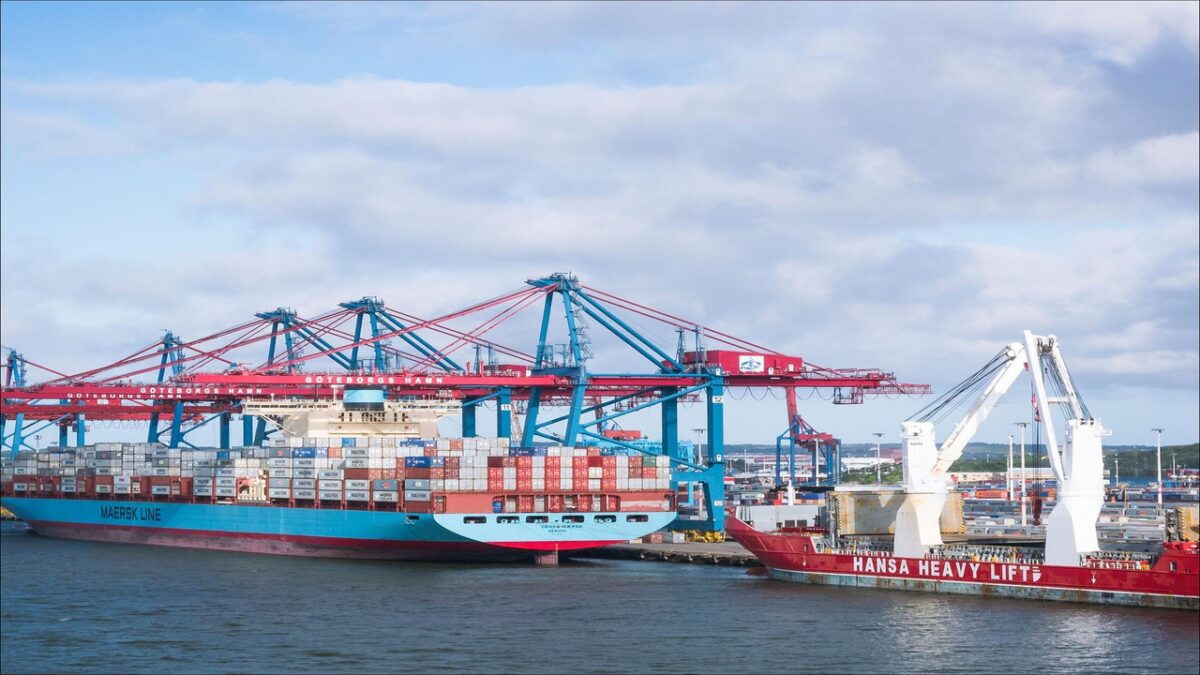
APM Terminals operates a crucial container terminal within the Port of Aarhus, a strategic gateway for Denmark’s trade and a vital link in Maersk’s extensive global network. The financial implications of this compensation claim could be substantial, potentially involving millions in damages if the case were to proceed and find in favor of Maersk. This financial exposure naturally prompts meticulous legal review from both sides, further complicated by the regulatory environment governing port operations and development in Denmark.
MSC Terminal Delay and Environmental Hurdles
Central to the backdrop of the Maersk port compensation claim is the revelation that the upcoming MSC terminal at the Port of Aarhus faces significant delays, potentially extending up to a year and a half. This delay is attributed primarily to an ongoing environmental study, a standard yet often time-consuming requirement for major infrastructure projects in environmentally sensitive areas. Environmental assessments are critical for ensuring sustainable development but can introduce considerable uncertainty and timelines to project schedules.
Further complicating matters, there are doubts surrounding MSC’s ability to operate a container terminal at the designated Omniterminal area. This uncertainty arises because the Omniterminal is covered by a different local plan compared to the area where Maersk’s existing container terminal is located further out in the harbor. Such discrepancies in local planning can create significant regulatory hurdles, potentially impacting site suitability, operational permits, and even the feasibility of planned terminal expansions or new constructions. The interplay between these different local plans and their environmental considerations adds layers of complexity to the overall port development landscape in Aarhus, directly influencing the competitive environment for container shipping.
Legal Standing and Pre-Trial Dismissal Concerns
The prospect of the Maersk port compensation claim being dismissed before it even properly begins is a critical point of interest. Pre-trial dismissals often occur when a court determines that a case lacks legal merit, is procedurally flawed, or falls outside the court’s jurisdiction. In Danish maritime law, as in many jurisdictions, specific criteria must be met for a claim to proceed to a full trial, including proper filing, sufficient grounds for the claim, and adherence to administrative and civil procedures.
The complexities surrounding the Port of Aarhus’s local planning for the Omniterminal and the environmental study’s impact on the MSC terminal project could play a pivotal role in the arguments for dismissal. If, for instance, the basis of Maersk’s compensation claim is intrinsically linked to regulatory decisions or delays that are deemed beyond the direct control or legal liability of the Port of Aarhus authority under specific administrative frameworks, the claim could be challenged on procedural or substantive grounds. Lawyers for the Port of Aarhus might argue that the circumstances leading to the claim, such as the environmental study delaying the MSC project, are regulatory matters rather than direct actionable breaches that warrant compensation in the manner claimed by APM Terminals. This legal technicality could be the key to the claim’s early demise, showcasing the delicate balance between commercial interests and public regulatory powers in port management.
Broader Implications for Danish Port Development and Container Shipping
Should the Maersk port compensation claim be dismissed, the implications for Danish port development and the broader European container shipping industry would be significant. An early dismissal might set a precedent regarding the extent to which port operators can seek compensation for delays or regulatory changes that impact their business, particularly when competing terminal projects are involved. This could influence future investment decisions in port infrastructure, making private operators more cautious about commitments if compensation avenues are seen as limited.
Furthermore, the ongoing situation at the Port of Aarhus highlights the intense competition within the container shipping sector. The delay of MSC’s terminal, coupled with Maersk’s existing presence, underscores the strategic importance of terminal capacity and efficient logistics. Any major disruption or legal challenge impacts not just the companies involved but also the wider supply chain, potentially leading to shifts in trade routes or increased costs for cargo owners. The port’s ability to navigate these legal and environmental challenges efficiently is crucial for maintaining its standing as a critical gateway in the global shipping network and for Denmark’s economic competitiveness.
Industry Reactions and Future Outlook
The maritime industry is closely watching the developments in Aarhus. Other shipping lines and terminal operators will be keen to understand the outcome of this dispute, as it could shape future contracting practices, risk assessments, and legal strategies for port development projects across Europe. A dismissal could lead to increased emphasis on robust contractual clauses and due diligence during the planning stages of new terminals and expansions, particularly concerning regulatory and environmental compliance.
Conversely, if the claim were to proceed, it could force a deeper legal examination of the responsibilities of port authorities in managing competition, environmental regulations, and local planning laws in a manner that does not unduly harm existing or prospective operators. The resolution of this case, regardless of its outcome, will undoubtedly contribute to the evolving jurisprudence of maritime disputes and port governance. It serves as a potent reminder of the complex interplay between commercial ambition, environmental stewardship, and legal frameworks in the modern shipping landscape.
Conclusion
The potential early dismissal of the Maersk port compensation claim against the Port of Aarhus represents a critical juncture for all parties involved and for the wider container shipping sector. Rooted in the complexities of an MSC terminal delay due to environmental studies and differing local plans, this high-stakes maritime dispute encapsulates the challenges faced by port authorities and terminal operators alike. The outcome will not only determine the immediate financial and operational fate of Maersk’s claim but could also establish significant precedents for future port development, competition, and legal accountability in the vital Danish and European logistics network. As the industry awaits clarity, the case serves as a powerful illustration of the intricate legal and logistical landscape of global trade.