Maersk Initiates Large-Scale Layoffs at Headquarters | Mariner News
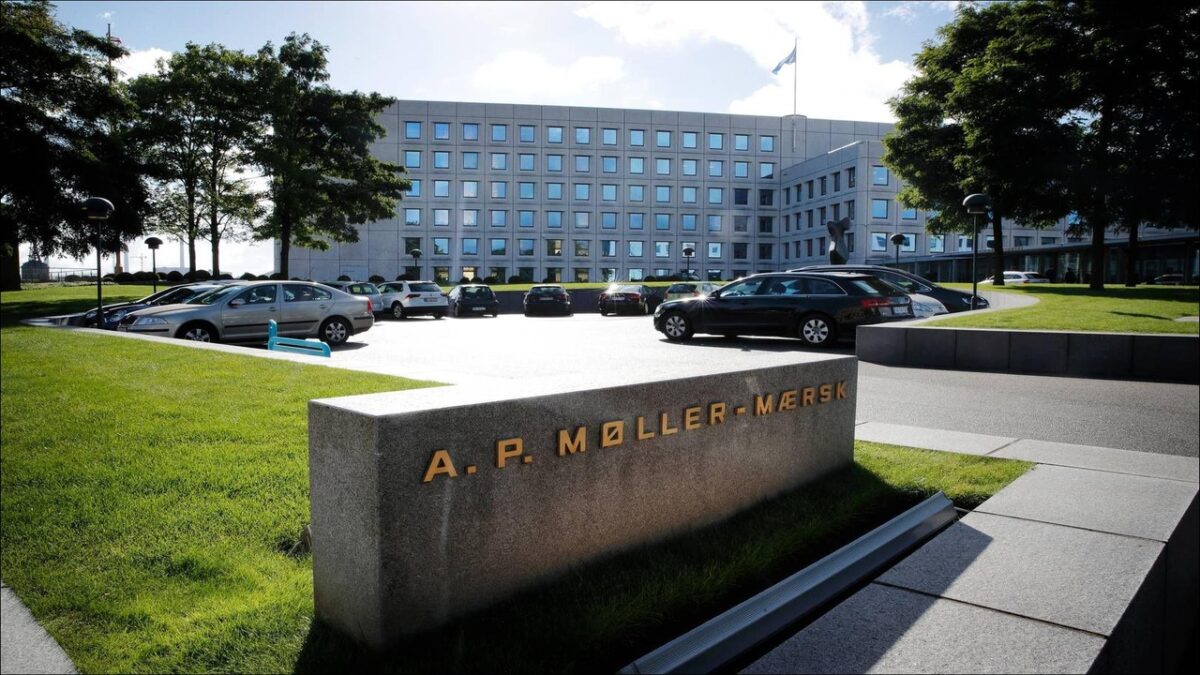
In a significant development for the global shipping industry, A.P. Møller – Maersk has initiated large-scale layoffs at its headquarters in Copenhagen, Denmark. This move underscores the challenging economic climate and the strategic adjustments being undertaken by one of the world’s leading container shipping and logistics companies. The Maersk large-scale layoffs are part of a broader organizational restructuring aimed at enhancing efficiency and adapting to evolving market conditions. This decision reflects the ongoing volatility in global trade and the necessity for major players to optimize their operations to remain competitive and resilient.
The announcement has sent ripples through the maritime sector, prompting discussions about the future of employment within global logistics and the broader container shipping landscape. Maersk’s proactive measures are an indicator of the pressures faced by the industry, which has seen a normalization of freight rates following an unprecedented boom during the pandemic years. The company’s focus on streamlining its central operations suggests a drive towards a leaner, more agile corporate structure, capable of navigating the complexities of international supply chains more effectively. This strategic workforce reduction is not just about cost-cutting but also about realigning talent and resources with the company’s long-term vision for integrated logistics solutions.
Unpacking Maersk’s Strategic Realignment and Workforce Reductions
The large-scale layoffs at Maersk’s headquarters are directly linked to a comprehensive strategic realignment designed to future-proof the company. Executives have cited a need to streamline operations and adapt to a cooling global economy, which has dampened demand for container shipping services. The workforce reduction is concentrated within administrative and support functions, reflecting a move towards greater automation and consolidation of responsibilities. This strategic imperative aims to create a more integrated and responsive organization, reducing redundancies and enhancing decision-making processes across its vast global network.
Maersk’s leadership has emphasized that these difficult decisions are crucial for ensuring the company’s long-term viability and its ability to continue investing in key areas such as decarbonization and digital transformation. The restructuring is a direct response to a significant shift in market dynamics, where the record profits of previous years have given way to more normalized, and often challenging, operating environments. The company is re-evaluating its organizational design to better serve its customers with end-to-end logistics solutions, moving beyond just port-to-port shipping to a more comprehensive supply chain integrator role. This involves a careful assessment of where talent and resources can be most effectively deployed to drive innovation and efficiency.
While specific numbers regarding the job cuts have not been fully disclosed, the term “large-scale” indicates a significant impact on the workforce at its Copenhagen base. Such measures often involve detailed planning for employee support, including severance packages, outplacement services, and career counseling, to assist those affected by the corporate restructuring. The company’s commitment to its employees, even amidst these changes, remains a critical factor in maintaining morale and ensuring a smooth transition for both departing and remaining staff. This workforce optimization strategy is designed to create a more focused and agile organization, ready to face future challenges in the global shipping and logistics sectors.
Global Economic Headwinds and the Container Shipping Sector
The decision by Maersk to undertake significant job cuts is indicative of the broader economic headwinds currently impacting the global container shipping sector. After enjoying unprecedented demand and soaring freight rates during the peak of the COVID-19 pandemic, the industry is now contending with a confluence of challenges. These include an economic slowdown in major consumer markets, persistent inflationary pressures, and geopolitical uncertainties, all of which contribute to reduced trade volumes and an oversupply of vessel capacity.
The normalization of freight rates, which have fallen sharply from their pandemic highs, has significantly impacted the profitability of major carriers. This shift necessitates a re-evaluation of operating costs and business models. Carriers like Maersk are faced with the dual challenge of managing lower revenues while continuing to invest heavily in fleet modernization and sustainable shipping solutions. The industry’s capacity expanded rapidly during the boom years, leading to a current oversupply that further exacerbates price competition and pressure on profit margins. This has created an environment where operational efficiency and cost management are paramount for survival and growth.
Furthermore, evolving consumer behavior and supply chain diversification strategies are reshaping global trade patterns. Companies are seeking more resilient and regionalized supply chains, which can alter demand for long-haul container shipping. Maersk’s response with these headquarters layoffs is a strategic adaptation to these shifting realities, aiming to create a leaner organization that can more effectively navigate an increasingly complex and competitive landscape. The global economic outlook, while showing signs of gradual recovery, remains uncertain, compelling industry leaders to take decisive action to safeguard their financial stability and market position. The move reflects a proactive stance in anticipation of continued market pressures, ensuring the global logistics powerhouse remains robust.
Impact on Employees, Local Economy, and Stakeholders
The large-scale layoffs at Maersk’s headquarters will undoubtedly have a profound impact on the affected employees and their families. For many, a job at Maersk, a cornerstone of Danish industry, represented stability and career growth. The company has a responsibility to handle these reductions with sensitivity and provide comprehensive support to those transitioning out of the organization. This typically includes robust severance packages, access to outplacement services, career counseling, and assistance with job searches, all aimed at easing the transition during a challenging time. Employee well-being, even for departing staff, is critical for maintaining corporate reputation and internal morale.
Beyond the immediate workforce, such significant job cuts can have ripple effects on the local economy in Copenhagen. While Maersk is a global entity, its headquarters contribute substantially to the local employment landscape, supporting a myriad of ancillary businesses and services. A reduction in the workforce, especially at a prominent corporation, can lead to a slight downturn in local spending and demand for certain services, requiring local authorities and economic development agencies to monitor the situation closely. However, Copenhagen’s resilient and diverse economy is generally well-equipped to absorb such changes over time, with many skilled professionals finding new opportunities within other vibrant sectors.
Stakeholders, including investors, customers, and industry analysts, are closely watching how Maersk manages this restructuring. The company’s ability to communicate its strategy clearly, demonstrate its commitment to future growth, and minimize disruption to services will be crucial in maintaining confidence. Investors will be looking for signs that these measures will lead to improved financial performance and a more resilient business model. Customers will be keen to ensure that service quality and reliability are not compromised. The perception of a company undergoing such significant changes can heavily influence its market standing and its ability to attract top talent in the future. The firm’s proactive approach signals a commitment to long-term profitability and market leadership, even amidst difficult decisions.
Maersk’s Vision for the Future: Efficiency and Sustainability
The workforce reductions at Maersk’s headquarters are an integral part of its overarching vision for the future, which centers on becoming an integrated logistics provider while simultaneously pursuing ambitious sustainability goals. The company is actively transforming its business model to offer end-to-end supply chain solutions, moving beyond its traditional role as a pure container shipping line. This strategic pivot requires a leaner, more agile organization capable of integrating diverse services, from ocean freight and air cargo to warehousing and inland transportation. The layoffs, therefore, are designed to create a more efficient operational structure that supports this integrated logistics strategy.
Operational efficiency and cost optimization are paramount in a highly competitive and volatile market. By streamlining its headquarters functions, Maersk aims to reduce overheads and reallocate resources towards areas of strategic growth, such as digital solutions, green logistics, and specialized freight services. This focus on efficiency is not merely about cutting costs but also about enhancing productivity and responsiveness across its global network. The ability to react quickly to market changes and customer demands is a key differentiator in today’s fast-paced logistics environment. The company’s drive for internal optimization aligns with its broader ambition to lead the transformation of global trade.
Simultaneously, Maersk remains committed to its ambitious decarbonization targets, including achieving net-zero emissions by 2040. Investing in green fuels, energy-efficient vessels, and sustainable logistics solutions requires significant capital and strategic focus. The cost savings and operational efficiencies gained from the restructuring are likely to be partly reinvested into these sustainability initiatives, ensuring that the company can pursue its environmental goals without compromising financial stability. The dual focus on efficiency and sustainability underscores Maersk’s commitment to long-term value creation and responsible business practices, positioning itself as a leader in environmentally conscious shipping. These efforts are crucial for maintaining the firm’s competitive edge and meeting evolving regulatory requirements.
The Broader Maritime Industry Landscape and Job Market Implications
Maersk’s decision to implement large-scale layoffs is not an isolated event but rather a reflection of the dynamic and often turbulent broader maritime industry landscape. Other major shipping lines and logistics providers are also grappling with similar challenges: fluctuating demand, excess capacity, rising operational costs, and the pressing need for decarbonization. While not all companies may resort to layoffs on the same scale, a general trend towards cost consciousness, digital transformation, and organizational optimization is evident across the sector. This indicates a period of significant adjustment and recalibration within the global shipping industry, impacting numerous maritime jobs.
The maritime job market, particularly in administrative and corporate functions, is likely to see continued shifts as companies embrace automation, artificial intelligence, and new digital tools to enhance efficiency. The demand for skilled professionals in areas such as data analytics, cybersecurity, green technology, and integrated logistics management is expected to grow, while roles susceptible to automation or consolidation may face pressure. This necessitates a proactive approach from employees and educational institutions to upskill and reskill the workforce to meet the evolving requirements of the industry. The ability to adapt to new technologies and business models will be critical for career progression in global logistics.
Furthermore, the long-term outlook for the global supply chain emphasizes resilience and adaptability. Companies are investing in diversified routes, improved visibility, and advanced risk management strategies to mitigate future disruptions. This focus on building robust supply chains will drive demand for innovative logistics solutions and specialized expertise. Maersk’s restructuring can be seen as a strategic step to position itself at the forefront of this transformation, ensuring it remains a pivotal player in facilitating global trade. The industry’s capacity to innovate and integrate new technologies will ultimately determine its future trajectory and employment opportunities. The ongoing transformation aims to create more resilient maritime supply chains, which is vital for global economic stability.