Maersk & Hapag-Lloyd Diverge on Red Sea Return | Mariner News
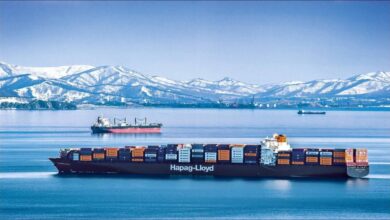
A significant divergence has emerged between Maersk and Hapag-Lloyd regarding their readiness to resume container shipping operations through the vital Red Sea route. While Maersk recently announced a cautious return, citing improving conditions, Hapag-Lloyd maintains a more conservative stance, emphasizing persistent security risks. This lack of synchronicity highlights the complex challenges global shipping lines face navigating volatile geopolitical landscapes and impacts maritime logistics worldwide.
Contrasting Red Sea Security Assessments
The core of this disagreement lies in differing assessments of maritime security in the region. Maersk initially paused transits but later indicated a careful restart, relying on international naval presence. Conversely, Hapag-Lloyd continues rerouting its vessels around the Cape of Good Hope, prioritizing crew safety and avoiding potential disruptions to global supply chains. Their varying risk appetites reflect the high stakes in vessel routing decisions.
Implications for Global Freight & Operations
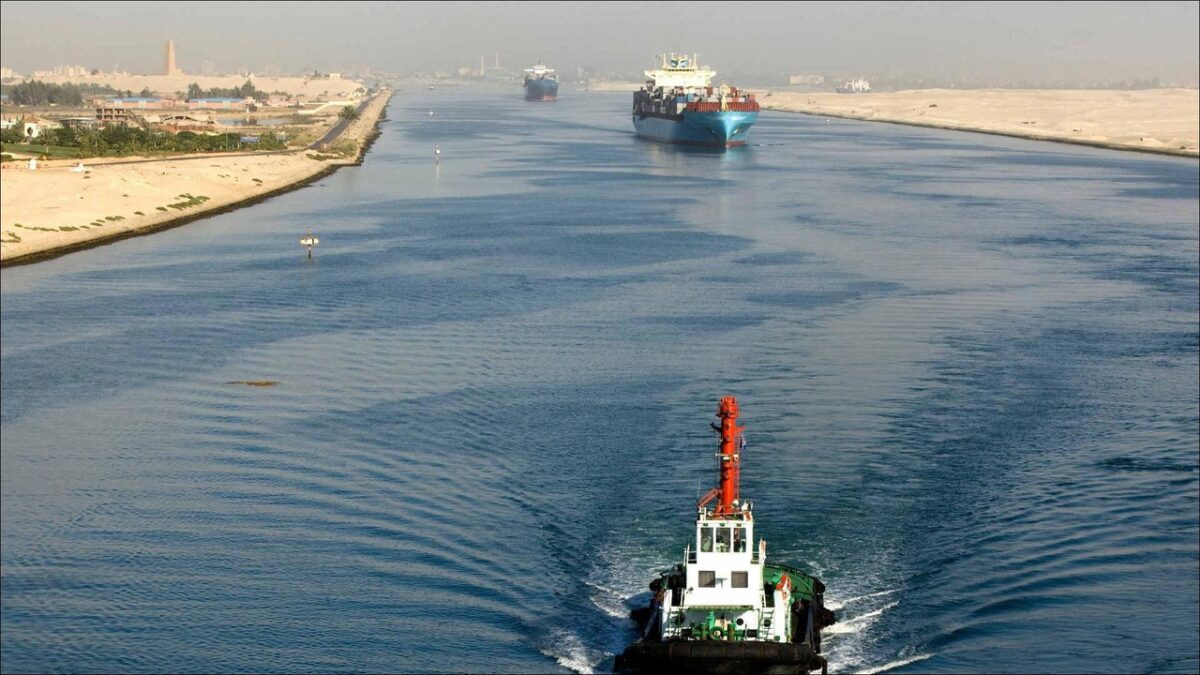
These contrasting strategies impact global shipping and freight costs. Rerouting around Africa adds significant time and fuel expenses, affecting delivery schedules and potentially increasing consumer prices. The split approach by major maritime operators like Maersk and Hapag-Lloyd creates inefficiencies, as some carriers face longer transit times while others utilize the shorter, riskier Suez Canal route. Businesses relying on timely logistics are closely monitoring these developments.