LNG: Shipping’s Future Energy Transition Fuel | Mariner News
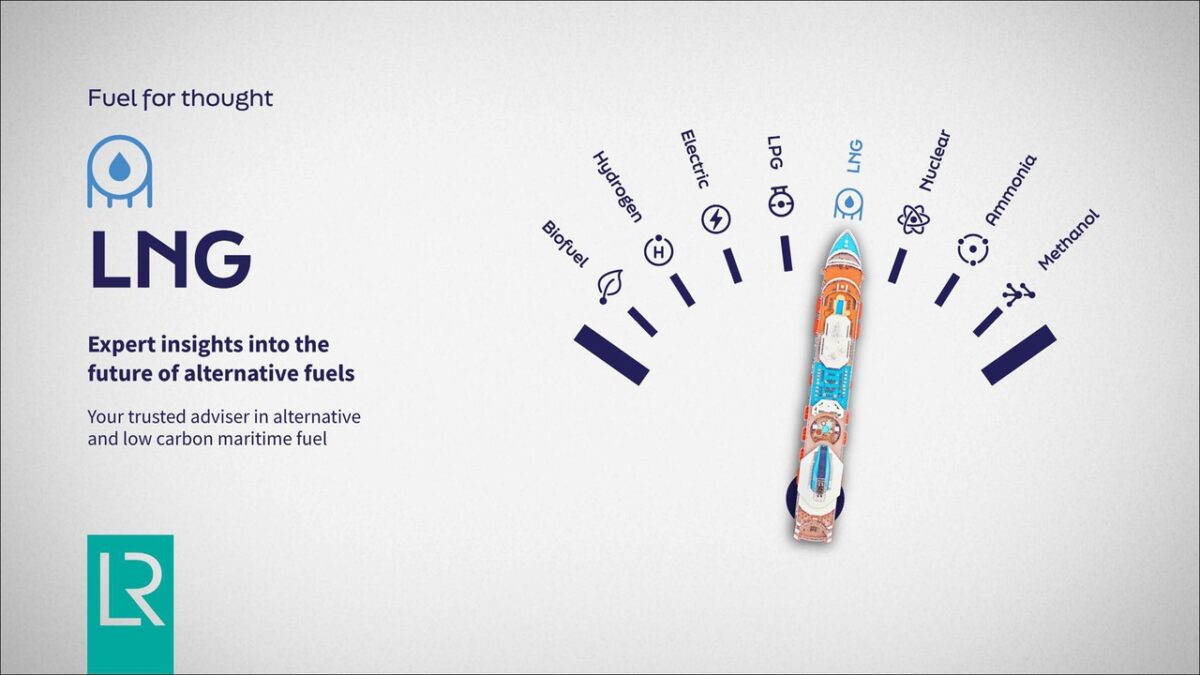
The maritime industry is undergoing a significant energy transition, and Liquefied Natural Gas (LNG) is emerging as a critical driver. What was once a niche solution is now a mainstream marine fuel, with LNG-powered vessels rapidly increasing. In 2025, an impressive 79% of alternative-fueled tonnage on order utilized LNG, cementing its position as a leading choice for sustainable shipping and highlighting its pivotal role in maritime decarbonization.
Why LNG Dominates Marine Fuel Choices
LNG offers compelling advantages for shipowners navigating complex regulations. Its high energy density, global availability, and lower costs of regulatory compliance make it an attractive alternative. This fuel also provides significant commercial optionality, positioning it ahead of many other potential alternative marine fuels. Its journey from a regional solution in 2016 to a globally utilized option today underscores its proven reliability and effectiveness in addressing the industry’s environmental challenges.
The Green Evolution: From Fossil to Renewable LNG
The true potential of LNG extends beyond fossil fuels, embracing a clear pathway towards even greener operations. 2025 marked a turning point, solidifying LNG’s role as a vital transition fuel. This includes the increasing use of liquefied biomethane (liquefied renewable natural gas, RNG) and the future promise of liquefied e-methane. These low-carbon drop-in solutions can be seamlessly integrated into existing LNG infrastructure, allowing vessel owners to progressively reduce their carbon footprint without massive overhauls, aligning with ambitious clean shipping goals.