LNG Carriers Shift Focus to Asia Amid Market Dynamics | Mariner News
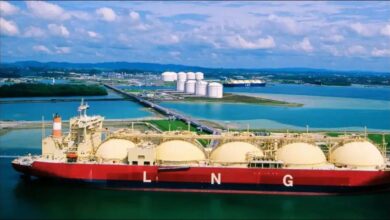
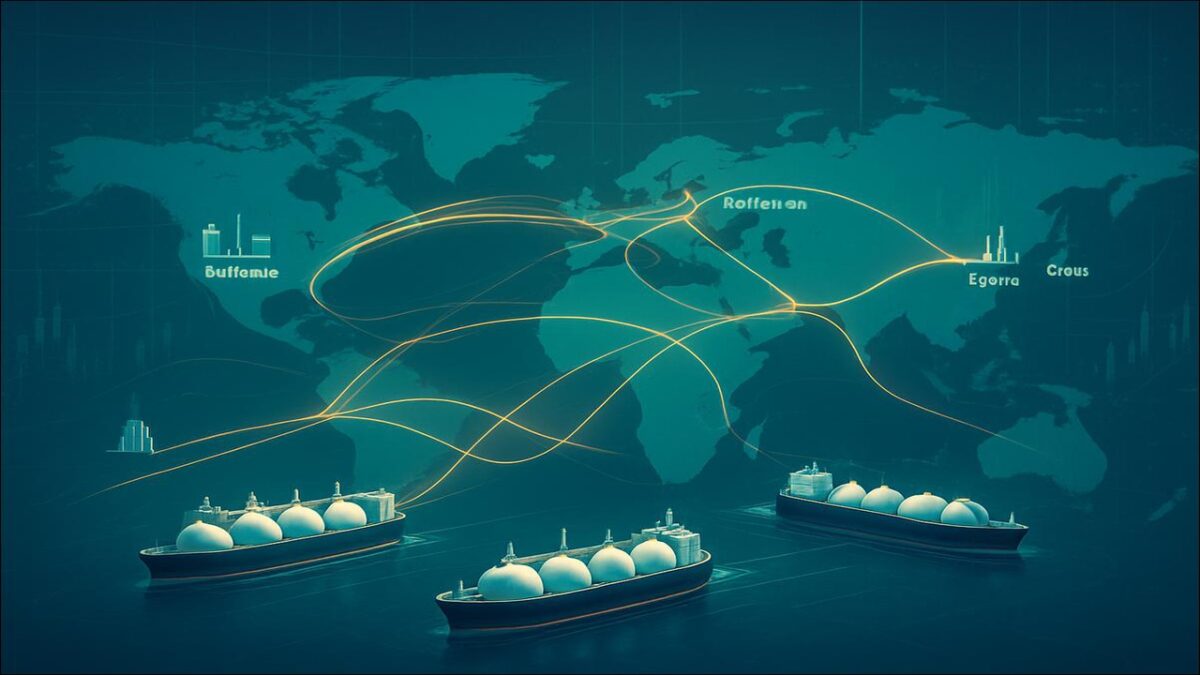
In a significant realignment of global energy supply chains, LNG vessels are increasingly observed to be ditching traditional European routes in favor of more lucrative and demand-driven destinations across Asia. This strategic pivot by liquefied natural gas (LNG) carriers represents a pivotal moment for the international energy market, reflecting a complex interplay of economic incentives, geopolitical shifts, and evolving regional energy demands. The maritime industry, particularly the segment dedicated to natural gas transport, is at the forefront of this dynamic transformation, adapting to new shipping patterns and commercial opportunities that are reshaping the very infrastructure of global energy distribution.
The Evolving Landscape of Global LNG Trade
The global LNG trade has always been a highly responsive market, sensitive to regional pricing differences, supply disruptions, and shifts in demand. Historically, Europe has been a significant consumer of natural gas, relying heavily on pipeline imports and, increasingly, on LNG shipments to meet its energy needs. However, a confluence of factors, including robust post-pandemic economic recovery in certain Asian economies and a more measured demand outlook in parts of Europe, has begun to tip the scales. The decision by LNG carriers to adjust their voyages is not merely a logistical tweak but a profound indicator of where global energy priorities and purchasing power currently reside.
This shift underscores the intense competition for LNG cargoes, a commodity vital for electricity generation, industrial processes, and residential heating. As nations strive for energy security and economic stability, access to reliable and affordable natural gas supplies remains a top priority. The maritime transport of LNG, facilitated by highly specialized LNG vessels, plays an indispensable role in bridging geographical divides between major gas producers and consuming regions, making the routing decisions of these carriers a critical bellwether for the global energy landscape.
Economic Drivers: Spot Prices and Demand Dynamics
At the heart of this navigational redirection are compelling economic incentives, primarily driven by the stark difference in spot market prices for LNG between Europe and Asia. When Asian markets offer significantly higher prices for immediate delivery, LNG carriers, particularly those operating on the spot market rather than under long-term contracts, naturally gravitate towards these more profitable destinations. This phenomenon highlights the efficiency of the global LNG market in reallocating supplies to areas of greatest demand and highest price.
Demand dynamics in Asia, particularly from industrial powerhouses like China, India, Japan, and South Korea, have been robust, fueled by economic growth, a desire to reduce coal dependency, and the need for reliable baseload power. Conversely, while European demand remains substantial, high storage levels, mild weather conditions, and ongoing efforts towards energy diversification have at times tempered the urgency for immediate LNG deliveries, making the region less attractive for uncontracted cargoes. This creates a clear arbitrage opportunity that LNG ship operators are quick to exploit, optimizing their revenues and fleet utilization.
Geopolitical Influences and Supply Chain Realignments
Beyond pure economics, geopolitical factors exert a considerable influence on LNG trade routes. The pursuit of energy independence and diversification, particularly in Europe following recent geopolitical events, has led to a re-evaluation of energy procurement strategies. While Europe has invested heavily in new regasification terminals and committed to long-term LNG contracts with various global suppliers, the immediate flexibility of the spot market is crucial for balancing supply and demand.
For Asia, the drive to secure long-term energy supplies, often through new infrastructure development and strategic partnerships with gas-producing nations, reinforces its position as a preferred destination. Geopolitical stability or the perceived risk thereof in different regions can also impact routing decisions, with shippers sometimes prioritizing routes that offer fewer transit risks or better contractual guarantees. The strategic realignment of LNG supply chains, therefore, reflects not just commercial logic but also broader national energy security imperatives and diplomatic considerations.
Implications for Europe’s Energy Security
The pivot of LNG carriers towards Asia presents both challenges and opportunities for European energy security. While Europe has successfully diversified its gas supply sources and filled its storage facilities to robust levels, the ongoing competition for LNG cargoes from Asia could lead to tighter market conditions and potentially higher prices in the future, especially during periods of peak demand or unforeseen supply disruptions. This necessitates continued vigilance and strategic planning by European policymakers and energy companies.
Europe’s strategy revolves around further investments in renewable energy, enhancing energy efficiency, and maintaining a robust portfolio of gas import options, including long-term LNG contracts and pipeline supplies from diversified sources. The ability to outbid Asian competitors for flexible LNG supplies will remain a key factor in ensuring adequate provision, particularly as global demand for natural gas continues to grow. This global competition underscores the interconnectedness of energy markets and the need for resilient energy policies.
Asia’s Growing Appetite for Natural Gas
Asia’s ascendant role as the primary destination for LNG shipments is a testament to its burgeoning energy requirements and its strategic pivot towards cleaner fuels. Countries across the continent are heavily investing in LNG import terminals, pipelines, and gas-fired power plants, signaling a long-term commitment to natural gas as a critical component of their energy mix. This investment is driven by a desire to reduce carbon emissions from coal, support industrial growth, and provide reliable power to rapidly expanding populations.
China, India, and Southeast Asian nations are particularly significant drivers of this demand, often demonstrating a willingness to pay premium prices for LNG to fuel their economic engines and support their energy transition goals. The sustained growth in Asian LNG imports is not merely a cyclical trend but a structural shift reflecting fundamental changes in energy policy, economic development, and environmental objectives across the region. This robust demand creates a stable and attractive market for LNG producers and the shipping industry alike.
Maritime Industry Impact: Freight Rates and Fleet Utilization
The redirection of LNG vessels has immediate and significant implications for the maritime industry, particularly for LNG carrier owners and operators. A shift in primary demand centers can lead to longer voyage distances, affecting transit times and potentially increasing fuel consumption and operational costs. However, it can also translate into higher freight rates, as vessels are directed to areas where demand is strongest and prices are most favorable.
Charter rates for LNG carriers are highly sensitive to market dynamics, and robust demand from Asia, coupled with increased voyage lengths, can tighten vessel availability, driving up charter costs. This environment incentivizes investment in new, more efficient LNG vessels, equipped with advanced propulsion systems and technologies aimed at reducing emissions and improving operational performance. The strategic allocation of LNG shipping fleets becomes paramount for optimizing profitability and meeting the evolving demands of the global energy supply chain.
Looking Ahead: Future Trends in LNG Shipping
The trend of LNG vessels favoring Asia over Europe is likely to persist in the short to medium term, given the underlying economic and demographic drivers. However, the global LNG market remains inherently dynamic. Future trends will be shaped by the pace of decarbonization efforts in both continents, the development of new liquefaction projects globally, and the continued evolution of geopolitical relationships.
New LNG export capacity coming online from regions like the United States and Qatar will play a crucial role in balancing supply with growing global demand. Furthermore, advancements in shipping technology, including alternative fuels for LNG carriers and improved operational efficiencies, will be key to meeting environmental targets and ensuring the sustainable transport of natural gas. The flexibility and responsiveness of the LNG shipping sector will be vital in navigating the complexities of the future energy landscape, with Asia firmly established as a dominant force in the global natural gas market.
In conclusion, the rerouting of LNG carriers from Europe to Asia represents more than just a change in shipping lanes; it signifies a profound recalibration of the global energy market. Driven by strong economic fundamentals, particularly higher spot prices and robust demand in Asian economies, alongside strategic geopolitical considerations, this shift has far-reaching implications for energy security, maritime logistics, and global trade dynamics. As the world continues its energy transition, the agility and adaptability of the LNG shipping sector will remain paramount in connecting supply with evolving demand across continents.