LNG Bunker Port Scarcity: Shipowner Leverage & Risk
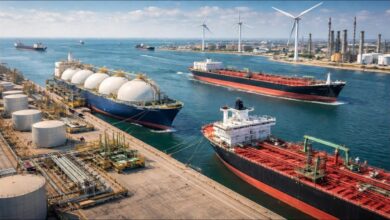
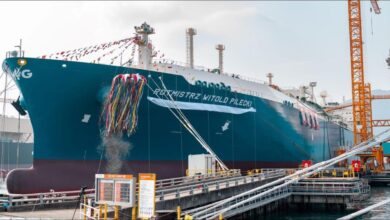
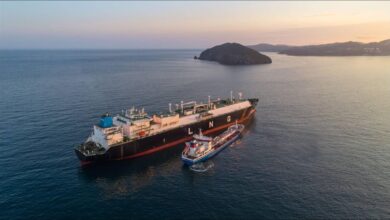
At the IBIA Annual Convention 2025, discussions highlighted a critical issue for the shipping industry: the limited number of global LNG bunker ports significantly reduces shipowners’ leverage. Despite LNG being a mature alternative marine fuel, its patchy availability globally means buyers face unique challenges compared to conventional fuels.
Global LNG Fuel Availability Challenges
Unlike traditional marine fuels, liquefied natural gas (LNG) is available at far fewer ports worldwide. This uneven distribution creates considerable operational hurdles for shipowners seeking to adopt cleaner energy solutions. The scarcity means less flexibility for vessels needing to change bunkering schedules or locations, directly impacting their operational efficiency and cost.
Increased Supplier Leverage and Operational Risk
This imbalanced landscape shifts power towards LNG suppliers. When `LNG bunkering` options are scarce, shipowners have fewer alternatives, making it harder to negotiate terms or adapt to unforeseen changes. This reduced flexibility can escalate operational risks, as changing a port or schedule for an LNG resupply becomes a complex logistical challenge. Shipowners must carefully plan their voyages, as options for alternative `LNG bunker ports` are limited.
Building Strategic Partnerships for Fuel Security
To mitigate these challenges, experts recommend fostering strong, collaborative partnerships with `LNG suppliers`. Such relationships are crucial for ensuring a reliable `marine fuel` supply and managing potential disruptions. Strategic alliances can help `shipowners` navigate the complexities of `LNG fuel availability`, ensuring continuity and reducing exposure to market fluctuations in this evolving alternative fuel sector.