Lloyd’s Engages US on Gulf Shipping Risk Insurance | Mariner News
In a pivotal development poised to reshape maritime security and trade dynamics in one of the world’s most critical waterways, the esteemed Lloyd’s market is actively engaging with the U.S. government regarding a comprehensive plan for Gulf maritime insurance. Officials have confirmed that Lloyd’s of London, a global leader in specialized insurance, is working closely with the U.S. International Development Finance Corporation (DFC) to establish a framework that will provide essential political risk insurance and guarantees for maritime trade navigating the volatile Gulf region. This crucial collaboration underscores a shared commitment to safeguarding international shipping, mitigating risks for oil and gas tankers, and ensuring the uninterrupted flow of global commerce through these vital Middle Eastern waterways.
The engagement focuses on leveraging Lloyd’s unparalleled expertise in war risk insurance to bolster stability, offering much-needed reassurance to shipowners, operators, and cargo owners. This initiative is not merely about financial coverage; it represents a strategic effort to enhance the resilience of global supply chains against geopolitical uncertainties and operational hazards that characterize the Gulf. As discussions advance, the maritime industry keenly watches for the comprehensive details of a plan that promises to fortify shipping security and uphold the region’s pivotal role in international trade, particularly for energy shipments.
The Strategic Imperative of Gulf Maritime Security
The Persian Gulf and its narrow chokepoint, the Strait of Hormuz, remain indispensable arteries for global energy and trade. An estimated 20% of the world’s petroleum and a significant portion of liquefied natural gas transit these waters daily, making their security paramount to global economic stability. However, the region has long been plagued by complex geopolitical tensions, manifesting as heightened risks for commercial shipping. From piracy threats to politically motivated attacks on vessels, the maritime environment demands robust protection mechanisms, chief among them, specialized insurance coverage.
Before this engagement, marine insurance premiums for transiting the Gulf surged in response to various incidents, placing an additional financial burden on shipping companies. The absence of comprehensive, stable political risk insurance solutions often deterred investment and complicated logistical planning for international carriers. This collaboration between the Lloyd’s market and the US government aims to address these vulnerabilities head-on, seeking to normalize the risk perception and provide a reliable safety net for thousands of vessels, including a substantial fleet of oil and gas tankers, that traverse these critical sea lanes. The emphasis on guarantees, alongside direct insurance, highlights a strategic push to create a more predictable and secure operating environment, fostering confidence among global maritime stakeholders.
Lloyd’s: A Pillar of Global Insurance Expertise
The Lloyd’s of London market has long been recognized as the preeminent global center for complex and specialized insurance solutions, particularly in the realm of war risk insurance. Its underwriters possess deep historical knowledge and expertise in assessing and pricing risks associated with conflict zones, political instability, and acts of terrorism affecting maritime assets. This unique capability positions Lloyd’s as the ideal partner for the U.S. International Development Finance Corporation in developing a robust insurance framework for the Gulf.
A spokesperson for Lloyd’s underscored the market’s constructive engagement with the DFC and other key stakeholders, emphasizing a clear focus on maintaining Lloyd’s leadership in this specialized field. This commitment is echoed by the Lloyd’s Market Association (LMA), which represents the collective interests of all underwriting businesses within Lloyd’s. Sheila Cameron, CEO of the LMA, lauded the U.S. government’s proactive involvement, highlighting the critical need for such initiatives to protect global maritime commerce. The market’s capacity to absorb significant risks, coupled with its innovative approaches to policy design, is central to the success of this ambitious Gulf maritime plan. This strategic partnership leverages decades of experience in marine risk management, ensuring that the proposed insurance solutions are both comprehensive and adaptable to the evolving threat landscape of the region.
US Government’s Strategic Vision for Regional Stability
The involvement of the U.S. International Development Finance Corporation (DFC) in this initiative signifies the U.S. government’s broader strategic interest in promoting economic stability and security in the Middle East. The DFC, typically focused on supporting private sector investments in developing countries, sees the provision of political risk insurance for Gulf maritime trade as a critical instrument for de-risking commercial activities. By partnering with the Lloyd’s market, the DFC aims to unlock greater private investment in the region’s shipping sector, reduce operational costs for carriers, and ultimately stabilize global energy markets.
This U.S. government engagement reflects a recognition that economic security and geopolitical stability are inextricably linked. By facilitating robust vessel coverage and guarantees, the DFC and Lloyd’s seek to create a more resilient shipping environment that can withstand external shocks and maintain the free flow of goods. The partnership extends beyond mere financial instruments; it is a declaration of intent to collaboratively manage and mitigate risks that could otherwise disrupt international trade and energy supplies. This collaborative approach, integrating the private sector’s insurance capabilities with governmental development finance, sets a new precedent for addressing complex geopolitical challenges in vital maritime corridors.
Impact on Shipping, Tankers, and Global Trade Stability
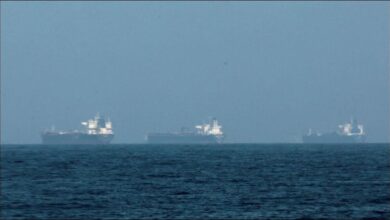
The ramifications of this collaborative Gulf maritime plan are extensive, particularly for the global shipping industry and the energy sector. With an estimated 1,000 vessels, approximately half of which are oil and gas tankers, operating in the Persian/Arabian Gulf and surrounding waters, representing an aggregate hull value exceeding $25 billion, the stakes are incredibly high. The provision of enhanced political risk insurance and guarantees is expected to significantly reduce the financial exposure of shipowners and operators, potentially leading to more stable or even reduced insurance premiums in the long term.
Moreover, the increased confidence stemming from reliable risk mitigation solutions could encourage more shipping companies to utilize Gulf routes, boosting regional trade and economic activity. For oil shipments and gas exports, this stability is paramount, directly influencing global energy prices and supply chain predictability. The assurance of robust insurance mechanisms helps safeguard not only the physical assets – the vessels themselves – but also the invaluable cargo they carry, ensuring that critical resources reach their destinations efficiently. This initiative promises to inject a much-needed layer of certainty into a region that has often been a source of volatility for global commerce.
Challenges and Future Outlook for Marine Coverage
While the engagement between the Lloyd’s market and the U.S. government is a promising step, implementing such a comprehensive marine insurance plan in a geopolitically sensitive region presents inherent challenges. The dynamic nature of the Gulf’s security landscape means that the insurance framework must remain agile and adaptable, capable of responding swiftly to evolving threats and political shifts. Sustained dialogue and cooperation among all stakeholders, including regional governments and maritime authorities, will be essential to ensure the plan’s long-term effectiveness and broad acceptance. Furthermore, the capacity of the insurance market to continually underwrite such significant exposures will require careful management and innovative solutions to maintain sustainability.
Looking ahead, the success of this initiative could serve as a blueprint for addressing maritime risks in other high-risk corridors globally. It highlights a growing recognition that private sector innovation, particularly in insurance, combined with governmental support, can forge powerful mechanisms for promoting international stability and economic resilience. As the Gulf maritime plan progresses, its impact will be closely watched, not just for its immediate benefits to shipping security and tanker operations, but for its potential to redefine collaborative approaches to global marine risk management for years to come.
The ongoing discussions between the Lloyd’s market and the U.S. International Development Finance Corporation represent a proactive and strategic response to the complex challenges of maritime trade in the Gulf. By focusing on robust political risk insurance and guarantees, this collaboration aims to bolster shipping security, protect vital oil and gas tankers, and ensure the smooth flow of global commerce through these critical waterways. The synergy between Lloyd’s expertise and the U.S. government’s strategic vision promises a more stable and predictable future for an indispensable maritime region.