Jinhui Holdings Sells Ultramax Bulk Carrier for $23M | Mariner News
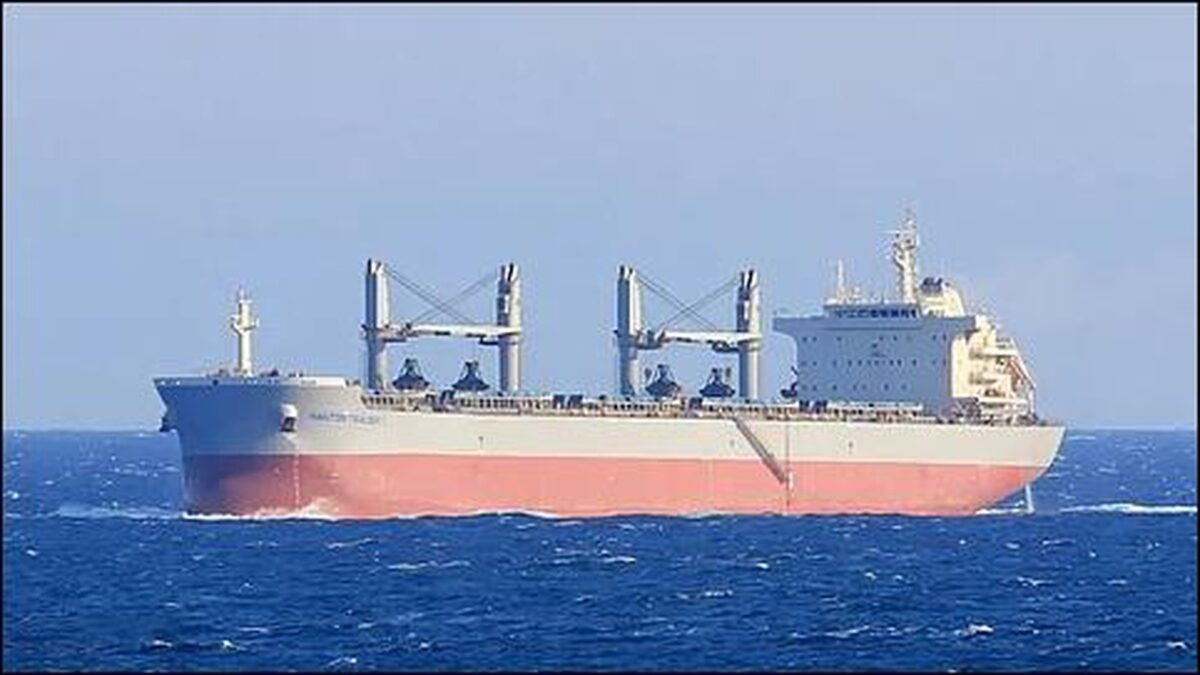
Jinhui Holdings has made a significant move in the maritime sector with the recent Ultramax bulk carrier sale, an announcement that has reverberated across the shipping industry. The Hong Kong-based company, a prominent player in global shipping, finalized an agreement to divest its Ultramax vessel, the Jin Ping, for a substantial sum of $23.455 million. This transaction, formalizing the memorandum of agreement on March 6, represents a strategic decision by Jinhui Holdings and offers valuable insights into current market valuations within the dry bulk shipping segment. The sale underscores the dynamic nature of maritime asset management and fleet optimization, as shipping companies continually adapt to evolving economic landscapes and freight market conditions.
The purchaser, Hongkong Yiming Shipping, is set to take delivery of the vessel between June 1 and July 15, indicating a swift transition period for this valuable asset. The Jin Ping, a 2014-built vessel registered in Hong Kong, boasts a deadweight tonnage (DWT) of 63,485, making it a robust and versatile addition to any dry bulk fleet. For Jinhui Holdings, this divestment comes at a time when companies are carefully evaluating their portfolios and seeking to capitalize on strong market periods or reallocate capital towards newer, more efficient tonnage. The reported unaudited net book value of the asset was approximately HK$155.4 million, or about $19.92 million, as of December 31, 2025. The sale price, therefore, indicates a favorable outcome for Jinhui, reflecting a premium over the book value and suggesting a healthy demand for modern Ultramax bulk carriers.
A Strategic Asset Divestment by Jinhui Holdings
The decision by Jinhui Holdings to proceed with this Ultramax bulk carrier sale is more than just a routine transaction; it signifies a calculated strategic maneuver within the competitive global shipping market. The Jin Ping, a vessel that has served the group since its construction in 2014, has been a reliable workhorse in the dry bulk sector. Its sale to Hongkong Yiming Shipping for $23.455 million represents a well-timed move for Jinhui Holdings, potentially allowing them to strengthen their balance sheet, reduce debt, or invest in next-generation vessels that align with future environmental regulations and market demands. The premium realized over the vessel’s net book value highlights an astute financial management approach, demonstrating Jinhui’s ability to maximize returns on their shipping assets.
This divestment activity by a major shipping conglomerate like Jinhui Holdings is closely watched by industry analysts as a barometer for market health and sentiment. Such transactions often precede or reflect broader trends in vessel valuations and the availability of capital for fleet expansion or modernization. The successful execution of this sale further solidifies Jinhui’s position as a flexible and responsive player in maritime economics, capable of adjusting its fleet composition to optimize operational efficiency and profitability. The process, from signing the memorandum of agreement to the scheduled delivery, outlines a standard yet significant lifecycle event for a large commercial vessel, impacting multiple stakeholders across the global maritime supply chain.
Navigating the Ultramax Bulk Carrier Segment
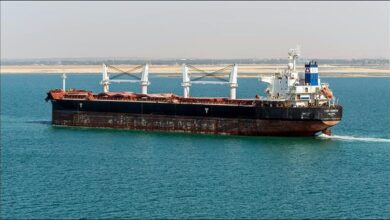
Ultramax bulk carriers, like the Jin Ping, represent a crucial segment within the broader dry bulk shipping market. Positioned between Supramax and Kamsarmax vessels in terms of size and cargo capacity, Ultramax ships typically range from 60,000 to 65,000 DWT. Their design emphasizes fuel efficiency, enhanced cargo capacity, and greater versatility due to their typically larger cargo holds and cranes, making them highly sought-after for transporting a wide array of commodities. These include grains, coal, iron ore, cement, fertilizers, and other mineral products, serving diverse trade routes globally. The appeal of an Ultramax lies in its ability to access a greater number of ports compared to larger Capesize vessels, while still offering significant economies of scale over smaller Handysize or Supramax carriers.
Market conditions for the Ultramax segment are often influenced by global economic growth, industrial production, and agricultural output. Demand for these vessels is a direct reflection of commodity trading volumes and the efficiency required to move goods across continents. Factors such as port infrastructure development, canal restrictions, and environmental regulations increasingly shape the design and operational preferences for new builds and existing tonnage. The consistent demand for well-maintained, relatively young Ultramax vessels like the Jin Ping underscores their enduring utility and value in facilitating global trade flows, even amidst fluctuating freight rates and bunker fuel costs. This segment continues to play a pivotal role in ensuring the smooth functioning of international supply chains for foundational raw materials.
Financial Landscape and Market Insights for Bulk Carriers
The financial aspects of the Ultramax bulk carrier sale by Jinhui Holdings offer a compelling snapshot of the current shipping market dynamics. The $23.455 million sale price for a 2014-built vessel with a deadweight tonnage of 63,485 significantly exceeds its unaudited net book value of approximately $19.92 million. This variance suggests a strong appetite for quality tonnage and potentially an optimistic outlook on future dry bulk freight rates among buyers. Such a premium can be attributed to several factors: robust demand for efficient vessels, limited newbuilding slots or higher newbuild prices, and overall positive sentiment regarding the long-term prospects of the dry bulk sector, despite short-term volatilities.
Analyzing the financial landscape surrounding this transaction reveals the intricate interplay of supply and demand for shipping assets. The global economy’s recovery trajectory, particularly in key commodity-importing regions like Asia, directly impacts the freight market. High demand for commodities like iron ore from steel production and grains for consumption drives up charter rates, which in turn boosts vessel valuations. Conversely, an oversupply of ships or a slowdown in global trade can depress prices. The fact that Hongkong Yiming Shipping was willing to pay above book value indicates a calculated belief in the vessel’s earning potential and the stability of future cargo flows, reflecting a nuanced understanding of the maritime economics currently at play.
Hongkong Yiming Shipping’s Strategic Acquisition
The acquisition of the Ultramax bulk carrier Jin Ping by Hongkong Yiming Shipping is a strategic move that merits close examination. For the buyer, this transaction represents more than just adding another vessel to their fleet; it’s an investment in enhancing their operational capabilities and market presence within the competitive dry bulk shipping industry. Hongkong Yiming Shipping’s decision to acquire a modern, well-maintained Ultramax vessel signifies a targeted approach to fleet expansion, likely aimed at capitalizing on specific trade routes or commodity segments where such vessels offer optimal efficiency and profitability. This acquisition could allow them to secure new contracts, service existing clients more effectively, or simply expand their overall carrying capacity to meet growing demand.
Adding a 2014-built vessel like the Jin Ping provides immediate operational readiness without the lead time and higher capital expenditure associated with new constructions. This strategy is common among shipping companies looking to grow their fleet rapidly or to renew older tonnage with more fuel-efficient and technologically advanced ships. The purchase price suggests a confident outlook from Hongkong Yiming Shipping regarding the long-term viability and profitability of owning and operating Ultramax carriers in the current market environment. It underscores a belief that the investment will yield significant returns through sustained freight revenues and potential asset appreciation in the coming years.
Broader Currents in Global Dry Bulk Shipping
Beyond this specific vessel transaction, the global dry bulk shipping market is influenced by a confluence of macroeconomic, geopolitical, and environmental factors. Global economic growth remains the primary driver, with industrial activity and infrastructure development in emerging economies creating consistent demand for raw materials. However, geopolitical tensions, trade disputes, and supply chain disruptions can introduce significant volatility, impacting freight rates and overall market stability. For instance, the ongoing energy transition, with a global shift towards renewable energy, has implications for coal shipments, while rising populations continue to ensure steady demand for agricultural products.
Environmental regulations, such as the International Maritime Organization’s (IMO) initiatives like EEXI (Energy Efficiency Existing Ship Index) and CII (Carbon Intensity Indicator), are increasingly shaping fleet modernization and operational practices. These regulations encourage the adoption of greener technologies and more efficient vessel designs, making newer, more fuel-efficient ships like the Jin Ping particularly attractive. Older, less efficient tonnage may face higher operating costs or become obsolete, pushing companies towards strategic sales or investments in retrofits. The broader industry is also grappling with crew shortages, digitalization, and cybersecurity threats, all of which add layers of complexity to maritime operations and market forecasting, ensuring that the dry bulk sector remains one of the most dynamic and essential components of global commerce.
Conclusion: A Bellwether Transaction in the Dry Bulk Sector
The Jinhui Holdings Ultramax bulk carrier sale for over $23 million is more than just a headline; it is a significant event that provides valuable insights into the current health and future direction of the global shipping market. This strategic divestment by Jinhui Holdings, securing a premium over the asset’s book value, underscores a buoyant demand for modern, efficient bulk carriers. The acquisition by Hongkong Yiming Shipping highlights a proactive approach to fleet expansion and a strong belief in the sustained profitability of the dry bulk sector. As the global economy continues to navigate various challenges and opportunities, the movement of key commodities remains paramount, making the performance of the Ultramax segment a crucial indicator. This transaction serves as a bellwether, reflecting the complex interplay of asset valuation, market demand, and strategic fleet management that defines the contemporary maritime industry. Stay informed on the latest maritime news and market trends to understand how these pivotal transactions shape global trade.