Iron Ore Prices Rise on China Demand, Global Supply Caps Gains
Iron Ore prices recently saw a modest increase, primarily buoyed by a slight uptick in China demand. However, these gains were largely capped by a confluence of rising global supply and declining steel production worldwide, painting a complex picture for the commodity market. This delicate balance reflects ongoing shifts in both consumption patterns and resource availability.
China’s Demand and Steel Production Challenges
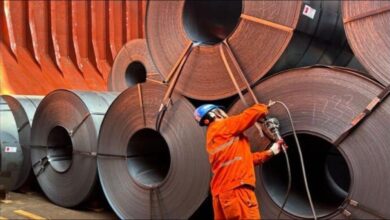
Despite a slight resurgence in purchasing from China, the world’s largest steel producer, the overall outlook remains cautious. China’s steel output has been intentionally curtailed, falling below one billion tons for the first time in six years, aligning with government pledges to rebalance a sector historically plagued by overcapacity. This domestic policy significantly influences iron ore consumption, even as daily trading on exchanges like the Dalian Commodity Exchange shows minor upticks.
Expanding Global Iron Ore Supply
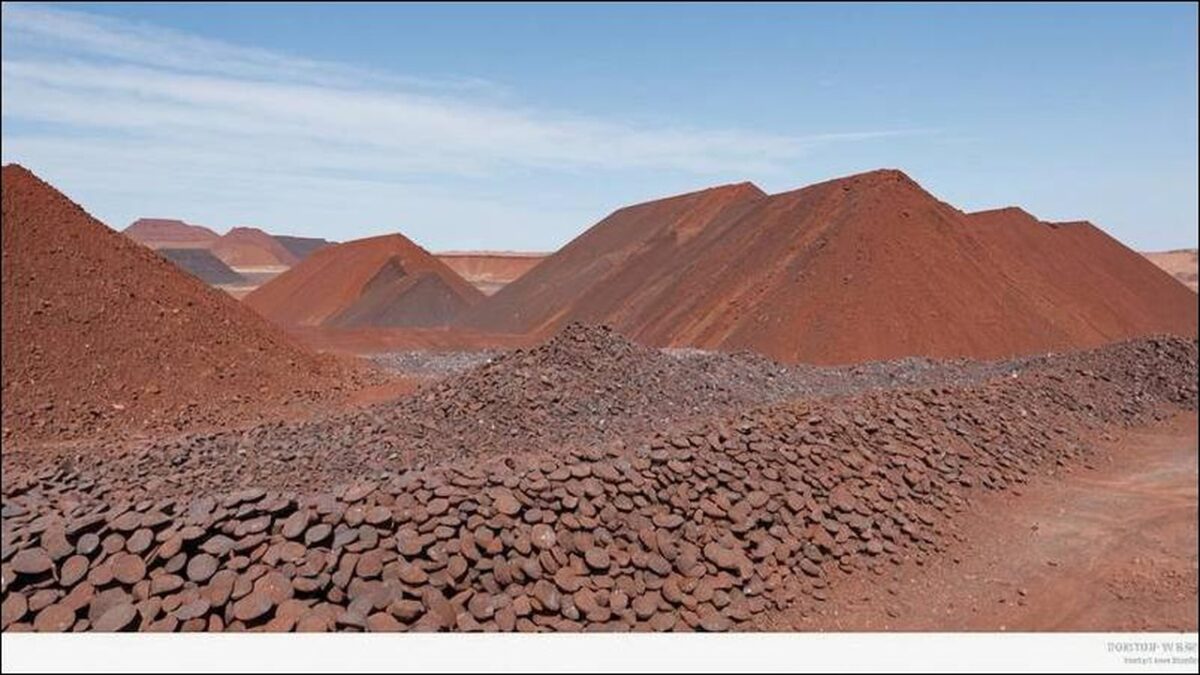
The market is simultaneously experiencing a significant expansion in global iron ore supply. Projections indicate a record high of nearly 2.68 billion tons by 2026. This surge is driven by continued capacity enhancements at major mining operations in top producers Australia and Brazil, alongside the anticipated contribution from the newly commissioned Simandou project in West Africa. Such substantial increases in raw material availability exert downward pressure on commodity prices.
While iron ore futures show some resilience, the market faces headwinds from a substantial increase in global mining output and a slowdown in crude steel manufacturing. Understanding these key drivers is crucial for stakeholders navigating the evolving landscape of raw material markets.