Ireland Finally Disposes of Seized Mathew Bulker | Mariner News
Irish officials have expressed profound relief following the long-awaited departure of the notorious Mathew bulker from the Port of Cork. This vessel, which became synonymous with the largest cocaine seizure in Ireland’s history, had morphed into a significant financial and political burden for the state over a three-year period. The saga of the Mathew bulker, from its dramatic interception to its costly maintenance, highlights the complex challenges nations face in maritime law enforcement and asset management.
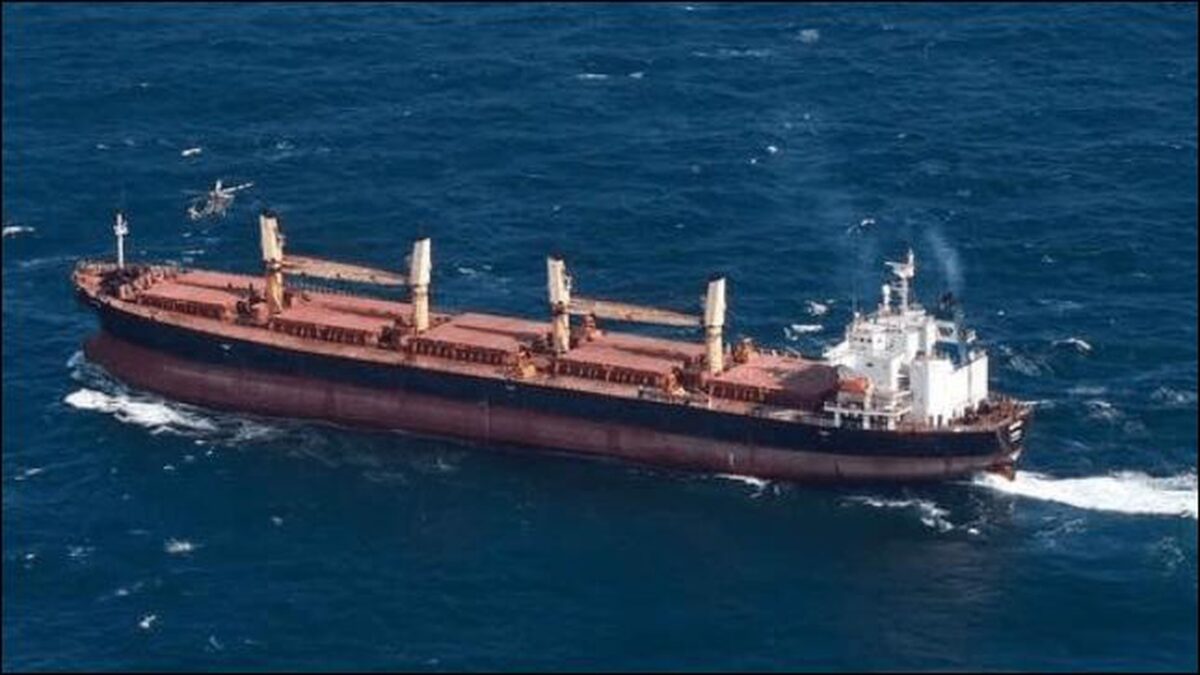
The 50,913-dwt bulk carrier, built in 2001, left Irish waters under tow on a recent Friday afternoon, marking the end of a chapter that cost taxpayers an estimated €16 million. This substantial sum covered berthing fees, essential maintenance, and ongoing security for a vessel that, despite being evidence in a major drug bust, had no clear owner willing to claim it. The vessel’s departure is not just an administrative milestone but a symbol of relief for authorities eager to close a contentious and expensive episode in Irish maritime history.
The Notorious Mathew Bulker: A Costly Maritime Saga
The story of the Mathew bulker began long before its dramatic interception by Irish forces. Tracing its origins, the vessel reportedly changed hands mysteriously in 2023, embarking on a convoluted journey from China, through Africa, before making its way towards European shores. This circuitous route, often a hallmark of vessels involved in illicit activities, raised suspicions among international intelligence agencies even before it entered Irish territorial waters.
On September 26, 2023, the Irish Defence Forces, acting on intelligence, moved to intercept the Mathew off the coast of County Wexford. The operation was meticulously planned and executed, involving naval vessels and air support, underscoring the serious nature of the threat. Following the interception, the bulk carrier was escorted to the Port of Cork, where an intensive search operation commenced.
What authorities uncovered was staggering: 2.2 tonnes of high-purity cocaine, estimated to have a street value of €157 million. This discovery immediately propelled the Mathew bulker into national headlines, not just for the sheer scale of the drug seizure but for the implications it had for Ireland’s vulnerability to international drug trafficking networks. The sheer volume of the illicit cargo underscored the ambition and reach of the smuggling operation.
Ireland’s Largest Cocaine Seizure: The Interception
The interception of the Mathew bulker was a testament to the vigilance and coordinated efforts of Irish maritime security agencies. The Irish Naval Service, Air Corps, and Army Ranger Wing were all involved in the high-stakes operation. Reports suggested that the crew aboard the bulker attempted to destroy evidence, specifically trying to burn the cocaine in the vessel’s lifeboat, as Irish authorities closed in. This desperate act further highlighted the criminal intent and the lengths to which traffickers would go to evade justice.
Once secured in the Port of Cork, the vessel became a focal point for investigators. The careful forensic examination of the ship, its cargo, and the communications onboard provided crucial evidence for the subsequent legal proceedings. This phase was critical not just for securing convictions but also for understanding the operational methods of the international smuggling ring linked to the Mathew, which often leverages global shipping routes and commercial vessels.
This unprecedented drug bust sent shockwaves through the nation, raising questions about Ireland’s coastal defenses and its role as a potential transit point for illegal narcotics destined for the European market. The successful seizure was hailed as a significant victory against organized crime, but it also initiated the complex and costly challenge of managing a confiscated asset of this magnitude.
A Political Headache: The €16 Million Maintenance Burden
Initially detained as crucial evidence for the ensuing criminal trials, the Mathew bulker soon transitioned from a symbol of successful law enforcement to a persistent and expensive headache for the Irish state. The core of the problem lay in the lack of clear ownership. With no legitimate party stepping forward to claim the vessel, the state was effectively left holding the responsibility and the bill.
Maintaining a large bulk carrier like the Mathew is no minor undertaking. The vessel required continuous berthing, security, and essential upkeep for its engine, electrical, and ventilation systems. These operational costs quickly escalated. Political figures and media outlets began to scrutinize the expenditure, with reports indicating that the state was shelling out as much as €120,000 per week to keep the ship in a seaworthy condition and secure within the Port of Cork.
This financial drain, totaling €16 million over three years, sparked considerable public and political controversy. Opposition parties questioned the government’s handling of the situation, demanding answers on why the vessel remained a state liability for so long and what measures were being taken to mitigate the costs. The dilemma was profound: the vessel was vital evidence, but its prolonged detention imposed an unforeseen and substantial financial burden on taxpayers. It underlined the complexities of maritime law regarding abandoned or seized vessels, where the line between legal evidence and economic liability can become significantly blurred.
Legal Aftermath and Crew Convictions
The legal proceedings stemming from the Mathew bulker seizure culminated in significant convictions. In July 2025, six crewmembers from the vessel, along with two individuals operating a smaller boat intended to ferry the cocaine ashore, were brought to justice. After a lengthy trial, they were found guilty of their roles in the large-scale smuggling operation.
The sentences handed down were severe, reflecting the gravity of the crime: a combined total of 129 years in prison. This outcome served as a stern warning to international drug traffickers attempting to use Irish waters for their illicit trade. The trial meticulously pieced together the evidence, from the sophisticated logistics of the smuggling operation to the desperate attempts by the crew to destroy the narcotics during the interception.
The successful prosecution reinforced the resolve of the Irish judiciary and law enforcement agencies to combat organized crime effectively. While the convictions provided a sense of closure on the criminal aspect of the Mathew saga, the financial and logistical challenges related to the vessel itself persisted, keeping it a contentious issue even after the criminals were behind bars.
The Long-Awaited Departure from Port of Cork
With the legal proceedings concluded and the vessel eventually declared the property of the state due to its abandonment, the path was cleared for its long-awaited disposal. The process of preparing the Mathew bulker for departure was itself an intricate logistical exercise, involving surveys, potential repairs to ensure it could be safely towed, and coordination with various maritime authorities. The goal was to remove the vessel from Irish waters and finally put an end to the maintenance costs.
Its eventual tow out from the Port of Cork was met with a collective sigh of relief from officials and local residents alike. The image of the once-notorious vessel being tugged away signaled the conclusion of a unique and challenging episode. For three years, it had occupied a prominent berth, a constant reminder of the drug bust and the financial drain it represented. Its departure allowed the port to reclaim valuable space and move on from its association with the controversial vessel.
This final act underscored the end of a long and protracted battle, not just against drug traffickers, but also against the unforeseen administrative and economic consequences of such a significant maritime seizure. The bulker Mathew, once a vessel of immense value to criminal networks, exited Irish jurisdiction as a vessel whose only remaining value was in the lessons it taught.
Enhancing Irish Maritime Security: Lessons from the Mathew Bulker
The Mathew bulker incident has undeniably served as a watershed moment for Irish maritime security policy. The extensive resources deployed for the interception, the prolonged maintenance costs, and the complex legal processes have all provided invaluable, albeit expensive, lessons for the Irish government and its defense and justice departments. One key takeaway is the reinforced understanding of Ireland’s vulnerability as an island nation to sophisticated international smuggling operations that exploit its extensive coastline and proximity to major European markets.
In the aftermath of the seizure, there has been an intensified focus on enhancing intelligence gathering and inter-agency cooperation. This includes strengthening ties with international partners and intelligence services to track suspicious vessel movements and anticipate threats more effectively. Furthermore, the incident has highlighted the need for continuous investment in advanced surveillance technologies and training for naval and air assets to ensure that similar illicit attempts can be detected and countered swiftly and decisively.
Beyond operational capabilities, the Mathew bulker saga has prompted a review of legal frameworks pertaining to seized assets. The difficulties in establishing ownership and the subsequent financial burden on the state have emphasized the need for clearer, more efficient mechanisms for dealing with such vessels. This includes exploring options for faster disposition, potential international agreements on asset sharing, or revised legal pathways for declaring state ownership to mitigate prolonged maintenance costs. The overall goal is to transform the costly lessons learned into robust, proactive strategies for future maritime enforcement and asset management.
Broader Implications for Global Shipping and Illicit Trafficking
The Mathew bulker incident also offers broader insights into the global challenges of combating maritime drug trafficking. Commercial shipping, with its vast network and millions of containers and vessels traversing oceans daily, remains a primary conduit for illegal narcotics. The sheer scale and complexity of global logistics make it incredibly difficult for authorities worldwide to monitor every single vessel effectively.
This case demonstrates that drug syndicates are increasingly sophisticated, often utilizing legitimate vessels like bulk carriers to blend in with regular trade and avoid detection. The mysterious change of ownership and the circuitous route of the Mathew are classic tactics employed to obfuscate the true nature of a vessel’s mission. Port authorities and customs agencies across the globe continually grapple with the challenge of balancing efficient trade flow with rigorous security checks.
Moreover, the financial and administrative burden experienced by Ireland is not unique. Many nations face similar dilemmas when seizing high-value assets involved in criminal activities, particularly when ownership is ambiguous. This often necessitates international cooperation not just in intelligence sharing and interdiction, but also in developing standardized protocols for the seizure, maintenance, and ultimate disposal of such assets to prevent them from becoming long-term liabilities. The Mathew bulker, therefore, stands as a stark reminder of the persistent and evolving threat of maritime drug smuggling and the multi-faceted response required from the international community.
The departure of the Mathew bulker marks a symbolic end to a saga that underscored the multifaceted challenges of modern maritime security. While the immediate relief for Irish officials is palpable, the lasting legacy of the €16 million cost and the lessons learned will undoubtedly shape future policies and operations. The incident serves as a crucial case study, not only for Ireland but for all nations grappling with the complexities of combating international drug trafficking and managing the unforeseen financial burdens that often accompany victories against organized crime at sea.