Iran’s Sea Mine Strategy to Halt Shipping in Gulf & Red Sea | Mariner News
Iran’s strategic geographical position, particularly its control over key chokepoints like the Strait of Hormuz, grants it significant leverage in global maritime affairs. The ability for Iran to stop shipping with mines, extending from the vital Arabian Gulf through the Strait of Hormuz to the strategically critical Red Sea, represents a potent and asymmetric threat to international maritime security. In an era where global supply chains are increasingly interdependent, even the credible threat of sea mines can have profound effects, disrupting commercial traffic and imposing substantial economic costs long before a single vessel is actually struck. This form of naval deterrence, often referred to as mine warfare, does not necessarily aim to sink ships but rather to create an environment of unacceptable risk, thereby compelling a halt or severe slowdown of maritime operations. Understanding Iran’s mine warfare capabilities, its tactical advantages, and the broader implications for international shipping is crucial for assessing potential future scenarios in these highly contested waters. This article delves into the specifics of how such a strategy could unfold and its far-reaching consequences for global trade and naval operations.
The Strategic Imperative of Mine Warfare in Critical Waterways
Mine warfare stands as an effective and cost-efficient tool for nations like Iran seeking to project power and deter adversaries in naval conflicts. The mere presence, or even credible reports, of sea mines can be sufficient to disrupt maritime traffic through critical chokepoints like the Strait of Hormuz. Ship owners, crews, and insurers, acutely aware of the risks, would likely halt commercial shipping in response to such threats. This holds true even for technologically advanced navies, including the US Navy, as a single, relatively inexpensive mine can pose a significant danger to a multi-billion-dollar warship. No navy, regardless of its technological superiority, can afford to ignore the existential threat presented by these hidden dangers.
The success of mine warfare isn’t measured solely by ships sunk, but by its ability to impose unacceptable risk and uncertainty. It aims to shape maritime access not through direct firepower, but through caution, the psychological burden on crews, and the inherently slow, deliberate, and dangerous responses required from mine countermeasures forces. For such an effect to endure and serve as a sustained deterrent or disruption mechanism, Iran requires the consistent capability to deploy and maintain these minefields. The strategic depth offered by the Arabian Gulf and the approaches to the Red Sea amplifies the impact of this defensive and offensive naval strategy, making vital global shipping routes incredibly vulnerable to disruption.
Iran’s Extensive Sea Mine Capabilities and Inventory
To comprehend the potential scope of such a disruption, it’s essential to examine Iran’s existing mine warfare capabilities. The nation is assessed to possess a substantial pre-conflict stock of approximately 5,000 to 6,000 sea mines, though some have reportedly been neutralized or destroyed by US and Israeli forces. This vast inventory provides Iran with significant flexibility and resilience in deploying a layered minefield strategy. These maritime weapons are classified by their placement in the water – whether drifting on the surface, resting on the seabed, or floating just beneath the surface while tethered to the bottom – and by their activation methods.
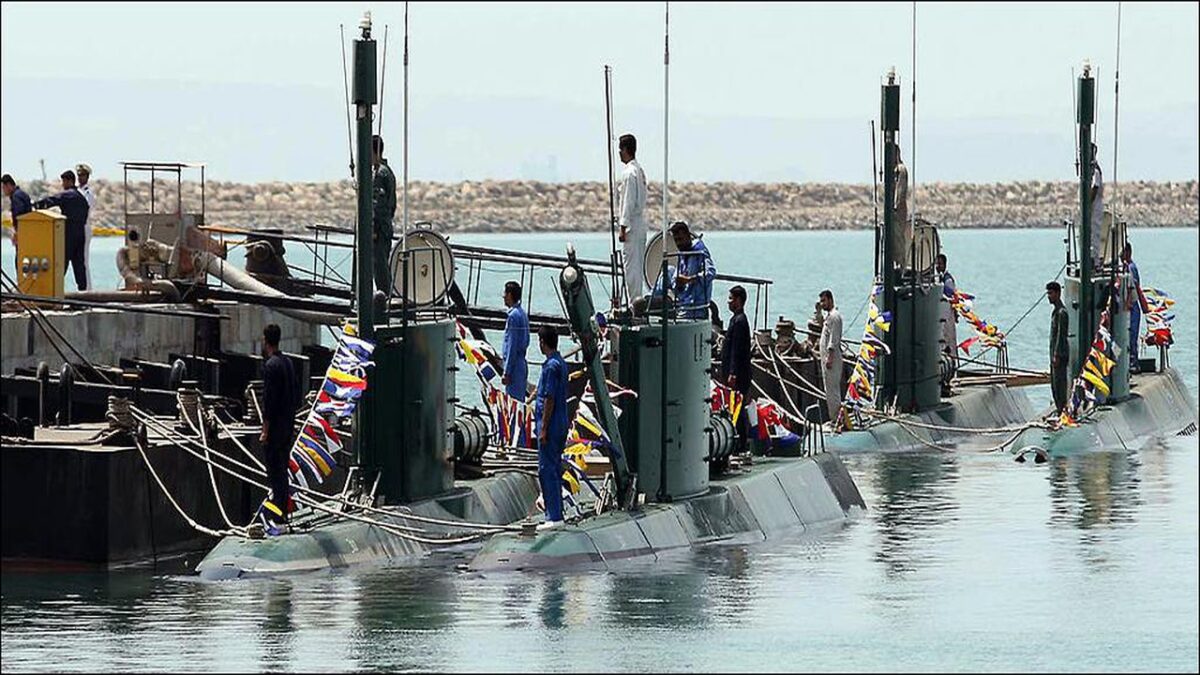
Iran’s arsenal includes a diverse range of mine types, encompassing ground influence mines that detect a ship’s magnetic, acoustic, or pressure signature; tethered contact mines that detonate upon physical impact; tethered influence mines that use proximity sensors; and drifting mines, which are harder to predict and clear. This variety allows for tailored deployment strategies based on target depth, vessel type, and desired effect. The simplicity of minelaying operations, requiring relatively little specialized training or support compared to other advanced naval assets, further enhances their appeal as an asymmetric weapon. The IRGC (Islamic Revolutionary Guard Corps) is known to operate various small, fast attack craft and minelaying boats, enabling rapid and discreet deployment across key maritime zones, complicating detection and clearance efforts significantly.
Disrupting Global Shipping: Economic and Geopolitical Impact
The ramifications of Iran’s potential use of sea mines to disrupt shipping lanes in the Arabian Gulf and Red Sea extend far beyond immediate military concerns, impacting global commerce, energy markets, and international relations. The Strait of Hormuz alone witnesses roughly a third of the world’s seaborne oil passing through it daily, making any disruption a direct threat to global energy security. A sustained mine-based blockade would skyrocket insurance premiums for vessels daring to transit these waters, effectively rendering commercial shipping economically unviable. This would force diversions, increasing transit times, fuel costs, and ultimately consumer prices worldwide, creating a ripple effect across global supply chains.
Such a disruption in vital shipping routes would not only affect oil and gas exports but also container ships carrying manufactured goods, bulk carriers transporting raw materials, and even passenger vessels. The psychological impact on global trade cannot be overstated; the mere uncertainty of safe passage is often enough to deter maritime traffic. Geopolitically, this scenario could trigger a crisis, drawing in major naval powers committed to upholding the principle of freedom of navigation. The act of mining international waters is widely considered an anathema to global stability, potentially escalating regional tensions into a broader international conflict, as nations scramble to protect their economic interests and uphold international law in these critical maritime arteries.
Challenges and Responses to Iran’s Mine Threat
Counteracting a widespread sea mine threat presents immense operational challenges for even the most technologically advanced navies. Mine countermeasures (MCM) operations are inherently slow, dangerous, and resource-intensive. Detecting, classifying, identifying, and ultimately neutralizing mines requires specialized vessels, underwater drones (UUVs), highly trained personnel, and often, days or weeks to clear even a relatively small area. This deliberate pace directly contributes to the disruptive effect of mine warfare; while forces are engaged in clearance, shipping remains halted or severely restricted. The vastness of the Arabian Gulf and Red Sea, coupled with the varied types and depths of Iranian mines, further complicates MCM efforts.
International naval forces, including the US Navy and its allies, maintain a significant presence in the region precisely to deter such actions and, if necessary, conduct mine clearance operations. However, the scale of Iran’s mine inventory means that restoring unfettered freedom of navigation would be a monumental task. Responses could range from establishing protected maritime corridors and escorts for commercial vessels to pre-emptive mine detection and destruction operations. The challenge is compounded by Iran’s ability to re-mine areas, requiring a continuous and costly MCM presence. Furthermore, the risk to MCM platforms themselves is substantial, underscoring the enduring effectiveness of these seemingly simple, yet devastating, underwater weapons against sophisticated naval forces.
Broader Implications for Maritime Security and Global Stability
The potential for Iran to strategically employ sea mines in the Arabian Gulf and Red Sea has profound broader implications for maritime security and global stability. It highlights the vulnerability of crucial global shipping lanes to asymmetric threats and underscores the need for robust international cooperation to safeguard freedom of navigation. Beyond the immediate economic fallout, such actions challenge the foundational principles of international maritime law and could set dangerous precedents for other state and non-state actors. The enduring effectiveness of mine warfare necessitates a continuous evolution of naval doctrines, intelligence gathering, and mine countermeasures technologies.
Maintaining a credible deterrent against minelaying operations remains a top priority for international naval powers operating in the region. This includes not only advanced MCM capabilities but also strong diplomatic efforts and clear communication of the severe consequences of such actions. The long-term strategic challenge posed by Iran’s mine capabilities will continue to shape naval planning and regional security dynamics for the foreseeable future. Vigilance, readiness, and a coordinated international response are essential to mitigate the risk that Iran’s sea mine capabilities pose to the uninterrupted flow of global trade and the stability of one of the world’s most critical maritime regions.