Iranian Navy Training Ships Seek Refuge Amid Conflict | Mariner News
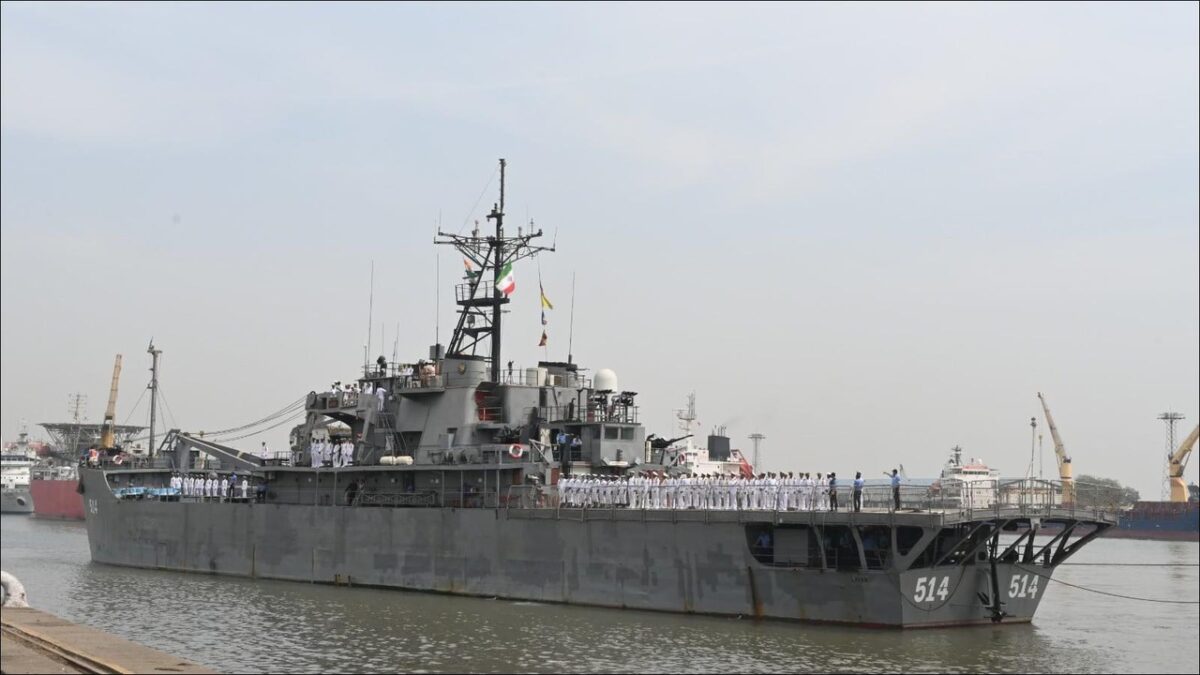
In a revealing turn of events highlighting the complexities of maritime operations and geopolitical realities, Iranian Navy training ships carrying naval cadets have sought refuge in foreign ports, a move largely prompted by regional instability and mechanical exigencies. The vessels, IRINS Bushehr (K422) and IRINS Lavan (L514), found safe harbor in Kochi, India, and Sri Lanka, respectively. This unprecedented situation underscores the critical balance between naval training, fleet readiness, and the volatile maritime environment of the Middle East and the Indian Ocean. While an annual winter training cruise for cadets from Iran’s Naval Academy at Nowshahr, formally known as the Iman Khomeini University for Naval Science, these particular port calls were far from routine, shedding light on the pressures faced by naval forces operating in areas prone to conflict and the challenges of maintaining an aging fleet.
Iranian Naval Cadets Seek Refuge Amidst Regional Tensions
The unusual docking of the IRINS Bushehr in Kochi and the IRINS Lavan in Sri Lanka this week has drawn significant international attention. These Iranian naval vessels, part of what was designated the 100th Flotilla, were engaged in a six-week winter training cruise, a crucial component of their cadets’ education. The decision to seek refuge, rather than continue their planned itinerary, speaks volumes about the prevailing security concerns and operational difficulties. While the immediate reason cited for the Bushehr’s request to dock in India was mechanical issues, the broader context of regional tensions and the need to ensure the safety of the young seafaring cadets undoubtedly played a role in the host nations’ decision to grant asylum. Such events are a stark reminder that even routine training missions can quickly become entangled in broader geopolitical narratives, impacting maritime security across vital shipping lanes. The presence of an unusually large crew on both ships, a direct consequence of accommodating a full complement of naval cadets, further complicated the operational and diplomatic aspects of their unexpected diversions.
The Enduring Tradition of Iranian Naval Training Cruises
The annual winter training cruise is a cornerstone of the Iranian Navy’s educational program, offering invaluable practical experience to young naval cadets. This long-standing tradition is designed to immerse future officers in the realities of life at sea, expose them to diverse maritime environments, and foster international relations through planned port calls. The 2025 cruise, involving IRINS Bushehr and IRINS Lavan, was intended to follow in the footsteps of previous successful missions, which often included warm welcomes from host navies in ports like Mumbai and Colombo. These exercises are vital for developing navigational skills, understanding maritime operations, and familiarizing cadets with various naval protocols. The Iman Khomeini University for Naval Science, the primary institution for training Iran’s naval officers, relies heavily on these offshore deployments to complement theoretical instruction, thereby ensuring a robust and capable maritime force. The exposure to different cultures and naval practices through foreign ports visits is also a key objective, promoting understanding and cooperation, even amidst a complex regional landscape.
A Journey Through Strategic Waters: From Gulf of Aden to Port Calls
The routes undertaken by Iranian Navy training ships during these annual cruises are strategically chosen to provide cadets with exposure to critical maritime zones. The Gulf of Aden, a notoriously challenging area due to piracy and various security threats, is a regular part of their operational training, giving naval cadets a taste of service in an active operational area. This exposure is crucial for preparing them for the realities of maritime security operations. In previous years, flotillas have made port calls in key regional hubs such as Mumbai, Colombo, Muscat, and Karachi. These visits serve multiple purposes: resupply, crew rest, diplomatic engagement, and providing cadets with firsthand experience of international naval diplomacy. Such extensive cruises, covering thousands of nautical miles across the Indian Ocean and its surrounding seas, underscore Iran’s commitment to projecting its naval presence and enhancing the capabilities of its maritime forces through practical, real-world training. The careful planning of these routes aims to balance operational experience with the development of international maritime relationships.
Challenges of an Aging Fleet: IRINS Bushehr and IRINS Lavan
The two vessels at the center of this story, IRINS Bushehr and IRINS Lavan, highlight a significant challenge for the Iranian Navy: operating an aging fleet. The IRINS Bushehr, a fleet supply ship, was constructed in Germany in 1974, making it over five decades old. The IRINS Lavan, a landing ship, was built at Yarrow in Glasgow in 1985. Both ships, as observed from previous years’ port calls, showed signs of considerable wear and tear, with reports of heavy rusting and questions regarding the seaworthiness of IRINS Lavan. These observations lend credence to the reported mechanical issues that led to the request for refuge. Maintaining such veteran vessels, especially given international sanctions and difficulties in acquiring spare parts, presents immense logistical and financial hurdles. Despite these challenges, these ships continue to serve critical roles, including cadet training and, in the case of IRINS Lavan and her sister ship IRINS Tunb, even as drone-firing platforms during exercises. The reliance on such older assets for essential training and operational duties underscores the resourceful, yet challenging, nature of Iran’s naval capabilities.
Geopolitical Ripples: Diplomatic Shelter and Maritime Security
The granting of diplomatic shelter to Iranian Navy training ships by India and Sri Lanka carries significant geopolitical weight. While framed as a humanitarian gesture due to mechanical distress, such actions are always viewed through the lens of regional power dynamics and international relations. For India, hosting an Iranian naval vessel, even a training ship, reinforces its policy of engaging with all regional players and maintaining its strategic autonomy. For Sri Lanka, it’s a demonstration of its non-aligned foreign policy and its role as a key maritime nation in the Indian Ocean. These incidents underscore the delicate balance of maritime diplomacy and the complexities of ensuring maritime security in a region vital for global trade and energy transit. The willingness of nations to provide aid to foreign naval vessels in distress is a long-standing tradition of international maritime law, yet the context of ongoing regional tensions adds layers of scrutiny and strategic calculation to such gestures. The broader geopolitical climate of the Indian Ocean necessitates careful navigation of these interactions, impacting various maritime stakeholders.
Enhancing Naval Readiness in a Complex Maritime Environment
Iran’s naval strategy, particularly in the face of regional uncertainties, emphasizes self-reliance and continuous training to maintain operational readiness. The experiences of these Iranian Navy training ships, navigating both routine exercises and unexpected challenges, are invaluable for strengthening the capabilities of its maritime forces. The need for fleet maintenance and modernization becomes even more apparent when incidents like this occur, highlighting potential vulnerabilities. Despite sanctions and the age of some of its assets, Iran endeavors to project its influence and protect its strategic waters through a combination of training, patrols, and naval diplomacy. The dedication of its naval cadets and the resilience of its command staff are critical in these efforts. As the global maritime industry continues to evolve, encompassing everything from commercial shipping to complex naval operations, understanding the preparedness and challenges of all naval powers in critical regions becomes paramount. The focus on naval readiness is not merely about conflict deterrence but also about safeguarding national interests and ensuring the free flow of commerce through international waters.
The unexpected turn of events for the 100th Flotilla, with Iranian Navy training ships seeking refuge, serves as a poignant reminder of the multifaceted challenges inherent in modern naval operations. From the essential development of naval cadets through extensive training cruises to the intricate dance of maritime diplomacy and the persistent demands of maintaining an aging fleet amidst regional instability, the narrative is rich with insights into global maritime news and strategic affairs. As the geopolitical landscape of the Indian Ocean continues to evolve, the readiness and resilience of all naval powers remain under constant observation, shaping the future of international cooperation and maritime security.