Iranian Attacks Cripple Fujairah Bunkering Activity | Mariner News
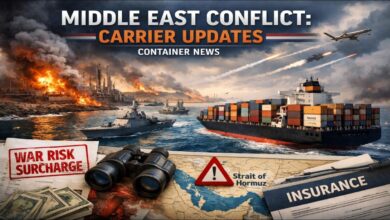
Recent Iranian attacks have sent shockwaves through the global shipping industry, severely disrupting crucial bunkering activity in Fujairah, one of the world’s most vital marine fuel hubs. This escalating geopolitical tension in the Middle East has had immediate and significant repercussions, particularly for vessel refueling operations and the intricate supply chains that depend on the smooth functioning of this strategic port. The incident highlights the precarious nature of maritime trade routes and the critical importance of regional stability for global commerce. As security concerns mount, bunker suppliers have begun to suspend deliveries, leading to cancellations and a tangible slowdown in activity at a location indispensable for maritime logistics worldwide.
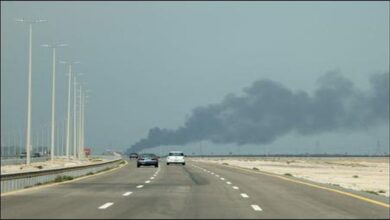
Adding to the gravity of the situation, a fire erupted at the Fujairah Oil Industry Zone (FOIZ) on Tuesday, reportedly caused by debris from a drone intercept. This direct impact on a key energy infrastructure facility underscored the immediate physical threats posed by the conflict. Following these developments, several bunker orders were promptly cancelled over the weekend, according to sources within the shipping industry. While general port operations in Fujairah initially appeared normal, the underlying security risks compelled numerous suppliers to exercise extreme caution, drastically altering the landscape for marine fuel procurement in the region. The decision by some suppliers to halt deliveries entirely, acting as a precautionary measure and refraining from issuing new quotes, signifies a deep-seated apprehension regarding the safety of their personnel and assets.
Fujairah’s Strategic Global Importance in Marine Fuel
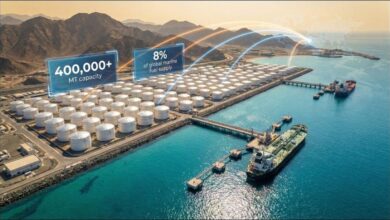
Fujairah, situated on the east coast of the United Arab Emirates, holds an unparalleled position as the world’s third-largest marine fuels hub. Its strategic location outside the Strait of Hormuz makes it a critical gateway for maritime traffic transiting to and from the Persian Gulf, serving as a primary refueling point for countless vessels, including tankers, bulk carriers, and container ships. The port’s extensive infrastructure supports a vast network of marine fuel suppliers, making it an indispensable component of the global shipping ecosystem. Any disruption to its operations sends ripples across international trade, impacting everything from crude oil shipments to manufactured goods.
The volume of marine fuel transacted in Fujairah daily is immense, underpinning the operational continuity of a significant portion of the global merchant fleet. Shipping companies worldwide rely on its consistent supply and competitive pricing to manage their operational costs and maintain strict schedules. This reliance means that any threat to Fujairah’s stability is not merely a regional issue but a global challenge to the efficiency and resilience of maritime logistics. The current security concerns, therefore, threaten to unravel a carefully balanced system, forcing industry players to re-evaluate their risk exposure and contingency plans for vessel refueling.
Quantifying the Disruption: Evidence from AIS Data
The immediate impact of these hostilities on bunkering activity has been starkly revealed by analytics firms. Spotbarge, a company specializing in analyzing bunkering activity through sophisticated AIS (Automatic Identification System) data and other proprietary sources, reported a dramatic decline in operations. Their findings indicate a significant drop in bunkering activity at the port, painting a clear picture of the paralysis gripping the marine fuel market in Fujairah. The data provides objective evidence of the scale of the disruption, moving beyond anecdotal accounts to present a comprehensive view.
According to Sebastiaan Kosman, the founder of Spotbarge, a staggering 70-80% of bunker barges in the region went offline following the initial attacks. This precipitous reduction in active barges underscores the severity of the security concerns and the cautious stance adopted by marine fuel providers. Such a substantial withdrawal of operational capacity inevitably leads to delays, increased turnaround times for vessels, and a severe bottleneck in the fuel supply chain. The ripple effects extend beyond Fujairah itself, as vessels attempting to refuel are forced to seek alternative, potentially more distant and expensive, options.
Broader Supply Chain Challenges and Regional Impact
The challenges posed by the Iranian attacks are not confined solely to Fujairah. There are growing fears that an extension of the conflict could trigger further, more widespread disruptions across the region. A trader revealed to Ship & Bunker that truck deliveries in the nearby port of Khor Fakkan have also begun facing significant operational hurdles. This suggests a broader regional impact on logistics and fuel distribution, indicating that the insecurity is not localized to one specific area but is creating a wider zone of risk.
Such regional instability threatens to cascade throughout the global supply chain, affecting the timely delivery of goods and potentially leading to increased freight rates as shipping companies factor in higher insurance premiums, longer routes, and potential delays. The interconnectedness of modern maritime trade means that a problem in one critical hub can quickly become a global issue. The industry’s ability to absorb such shocks is being tested, pushing companies to explore more robust risk management strategies and diversified fuel sourcing options.
Economic Repercussions and Marine Fuel Price Volatility
Beyond operational disruptions, the Iranian attacks and their impact on Fujairah bunkering activity carry significant economic repercussions. Marine fuel prices, already subject to global oil market fluctuations, are highly sensitive to supply disruptions in key hubs. The immediate halt or reduction in supply in Fujairah inevitably exerts upward pressure on prices, increasing operational costs for shipping lines. For a sector already grappling with tight margins, rising fuel costs can severely impact profitability and potentially lead to higher prices for consumers of internationally traded goods.
Moreover, the uncertainty surrounding the duration and escalation of the conflict further complicates pricing and procurement strategies. Shipping companies may be forced to pay premiums for fuel from alternative sources, or face additional costs associated with diverting vessels to more secure, albeit less efficient, bunkering locations. This volatility in marine fuel prices adds another layer of complexity to an already challenging operating environment, demanding agile financial planning and robust hedging strategies to mitigate potential losses.
Navigating Enhanced Maritime Security Risks
The incidents in Fujairah have dramatically elevated the discussion around maritime security in the Gulf region. Shipping companies and their crews are now operating under heightened threat perceptions, necessitating a review of security protocols and potentially increased surveillance. The risk of future attacks, whether direct or indirect, on vessels, infrastructure, or supply lines, creates an environment of pervasive caution. Insurance costs for vessels operating in the region are likely to rise, reflecting the increased risk profile, adding another financial burden to shipping operations.
Addressing these enhanced security risks requires a multi-faceted approach, involving improved intelligence sharing, collaborative security efforts among international naval forces, and stricter adherence to safety guidelines by all maritime stakeholders. The incidents serve as a stark reminder that even well-established and routinely traversed shipping lanes can quickly become zones of high risk, demanding constant vigilance and adaptability from the global shipping community. The safety of seafarers, the integrity of cargo, and the continuity of trade all hinge on effective maritime security measures.
Long-Term Outlook and Industry Adaptations
If the current conflict were to extend or intensify, the long-term implications for the marine fuel industry and global shipping would be profound. It could accelerate shifts in bunkering patterns, potentially leading to a more diversified and geographically dispersed network of refueling hubs, as companies seek to reduce their reliance on single points of failure. This might involve greater investment in alternative bunkering locations or a strategic reassessment of trade routes to bypass high-risk areas.
The shipping industry is inherently resilient, but sustained disruption in a critical region like Fujairah forces fundamental changes in operational paradigms. Companies might explore advanced fuel efficiency technologies more aggressively, or even accelerate the transition to alternative, non-fossil fuels to reduce dependency on volatile oil supplies. While these are long-term strategies, the immediate crisis acts as a potent catalyst for re-evaluating long-held practices and embracing innovative solutions to enhance supply chain resilience and operational security.
Conclusion: A Critical Juncture for Global Shipping and Marine Fuel Supply
The Iranian attacks disrupting Fujairah bunkering activity represent a critical juncture for the global shipping industry and the marine fuel supply chain. This series of events underscores the fragility of international trade in the face of escalating geopolitical tensions and highlights the indispensable role of maritime security. The immediate fallout, including suspended bunker deliveries and significant reductions in operational capacity, has sent ripples through a sector already contending with complex economic and environmental pressures. The reliance of global commerce on a few strategic marine fuel hubs makes such disruptions particularly impactful.
As the situation evolves, the shipping industry will need to demonstrate exceptional agility, adaptability, and foresight. From managing immediate supply challenges and navigating increased security risks to reassessing long-term operational strategies and embracing greater resilience, the response to this crisis will define the trajectory of marine fuel procurement and maritime trade in the coming years. The incident serves as a powerful reminder of the complex interplay between geopolitics, energy markets, and the fundamental infrastructure that underpins the global economy.