Iran Controls Strait of Hormuz Maritime Traffic | Mariner News
The critical geopolitical landscape surrounding the Strait of Hormuz has been significantly reshaped by Iran’s assertion of de facto control over this vital waterway. Recent observations indicate that Iran Strait of Hormuz maritime traffic is largely moving under Iranian approval, creating a complex and often opaque environment for global shipping. While the world struggles to get a clear picture due to widespread AIS signal blackouts, Iran appears to be making unimpeded use of the Strait, dictating terms for passage and dramatically impacting international trade dynamics.
This shift profoundly affects not only regional stability but also global energy markets. The strategic choke point, through which a significant portion of the world’s oil and liquefied natural gas (LNG) transits, is now operating under conditions where transparency is deliberately minimized. This situation presents unique challenges for external observers and raises serious questions about freedom of navigation and maritime security in one of the planet’s most crucial shipping lanes.
The Strait of Hormuz: A Lifeline for Global Energy and Commerce
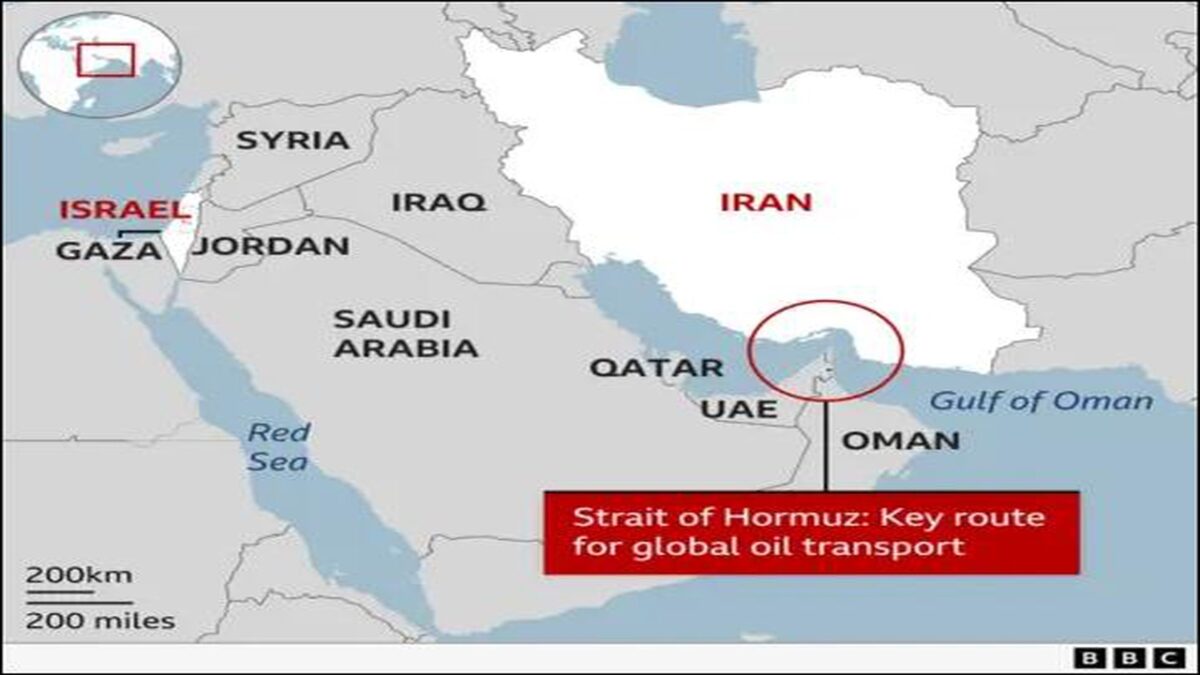
Often referred to as the world’s most important oil transit choke point, the Strait of Hormuz connects the Persian Gulf to the Arabian Sea and the open ocean. Its strategic location, nestled between Iran and Oman, makes it indispensable for energy exports from major producers like Saudi Arabia, Iraq, UAE, Kuwait, and Qatar. Approximately one-fifth of the world’s total petroleum consumption, and a substantial volume of its liquefied natural gas, passes through this narrow maritime corridor daily.
Any disruption to maritime traffic in the Strait of Hormuz sends immediate ripples through global energy markets, leading to oil price volatility and concerns over energy security. The sheer volume of crude oil, refined petroleum products, and natural gas shipments underscores its irreplaceable role in sustaining global economies. Nations worldwide, particularly those heavily reliant on imported energy, keenly monitor developments within this critical passage.
Beyond energy, the Strait also serves as a crucial artery for general cargo and container shipping, connecting the prosperous Gulf states with international markets. The ability to safely and predictably navigate these waters is paramount for global supply chains, making the current situation of Iranian-asserted control a matter of profound international interest and concern.
Navigating the Shadows: AIS Disruption and Surveillance Challenges
One of the most striking features of the current situation in the Strait of Hormuz is the widespread disruption of Automatic Identification System (AIS) signals. AIS is an automated tracking system used on ships for collision avoidance and maritime surveillance. Vessels often switch off their AIS transponders for a variety of reasons, including to avoid detection, sanctions, or to operate in commercially sensitive or risky areas. In the Strait of Hormuz, this practice has become prevalent, creating a veil of opacity.
For external observers, ship trackers, and maritime intelligence agencies, the absence of AIS data makes it extraordinarily difficult to ascertain the volume, origin, and destination of vessels transiting the Strait. This lack of transparency complicates risk assessments, hinders efforts to monitor compliance with international sanctions, and generally obscures the true operational picture. While the US military and Omani coast guard possess more comprehensive surveillance capabilities, public and commercial entities are largely deprived of their primary source of real-time information.
This deliberate obfuscation of vessel identities and movements underscores the changed operating environment. It suggests a calculated strategy by vessels, often with the explicit or tacit approval of Iranian authorities, to avoid scrutiny. Such practices have significant implications for maritime safety, as the absence of AIS signals can increase the risk of collisions and make search and rescue operations more challenging in an already congested waterway.
Iran’s Asserted Dominance and Selective Passage
In essence, the Strait of Hormuz is currently operating under a dual system: open to vessels either controlled by Iran or explicitly approved by Iranian authorities, and largely closed, or at high risk, for others. This effective blockade for non-approved traffic minimizes economic damage to Iran, and may even allow it to benefit from elevated oil and gas prices, while simultaneously creating significant economic pressure on neighboring Gulf States.
Iranian-licensed ships, alongside a select few international vessels granted passage, are reportedly obscuring their identities to navigate the Strait. This mechanism allows Iran to maintain a degree of control over a waterway that is internationally recognized for freedom of navigation. Any vessel attempting passage without Iranian approval faces an elevated risk of interception, harassment, or attack, underscoring the precarious security situation.
Notable exceptions to this general closure, as reported by sources like Lloyd’s List Intelligence, highlight the selective nature of Iranian approval. For instance, two laden Indian-flagged LPG tankers, the Shivalik (IMO 9356892) and the Nanda Devi (IMO 9232503), both owned by the parastatal Shipping Corporation of India (SCI), successfully transited the Strait. These vessels, which had loaded Qatari gas at Ras Laffan, were notably escorted by the Indian Navy, illustrating the need for military protection for even approved passages.
Furthermore, an unidentified crude tanker, laden with Saudi oil and en route to India, was also reported to have made the transit during the same period. This indicates that while Iran asserts broad control, specific strategic interests and bilateral arrangements can facilitate passage for certain oil tankers and gas tankers, albeit often under conditions of heightened security. These instances demonstrate the complex negotiations and security provisions required for even seemingly routine energy shipments through the Strait of Hormuz.
Economic Aftershocks: Impact on Regional and Global Economies
Iran’s control over the Strait of Hormuz has profound economic implications, both regionally and globally. While Iran itself may buffer some of the economic impact by managing its own trade routes and potentially capitalizing on higher global energy prices, the neighboring Gulf States face significant challenges. The de facto blockade on their unapproved shipping through the Strait effectively limits their access to international markets for their vast oil and gas exports.
This situation can lead to increased shipping costs, higher insurance premiums for vessels operating in the region, and logistical complexities for exporters. Such economic pressures can strain the budgets of Gulf nations, potentially forcing them to seek alternative, often more expensive, routes or renegotiate trade terms. The reduced ability to freely export their primary commodities directly impacts their national revenues and economic stability.
Globally, the uncertainty surrounding the Strait of Hormuz contributes to volatility in energy markets. Any perceived threat to the flow of oil and gas from the Persian Gulf can cause crude oil and natural gas prices to spike, affecting consumers and industries worldwide. This economic leverage further enhances Iran’s strategic position, allowing it to exert influence over international energy supply and global trade dynamics far beyond its immediate borders.
Geopolitical Tensions and International Responses
The situation in the Strait of Hormuz is not isolated but is deeply intertwined with broader geopolitical tensions in the Middle East. Iran’s actions are often viewed as a direct challenge to international norms of freedom of navigation and a tool to exert regional influence. This has led to heightened concerns from various international powers, including the United States and European nations, who rely on the unimpeded flow of energy through the waterway.
International naval presences, such as those maintained by the US military, operate in the region with the stated aim of ensuring maritime security and deterring aggression. However, the current situation demonstrates that these deterrents have not prevented Iran from establishing a significant level of practical control over specific movements within the Strait. Diplomatic efforts and multilateral discussions continue to seek a resolution that safeguards freedom of navigation while addressing regional security concerns.
The long-term implications of this shifting control are significant. It challenges the established order of international maritime law and sets a precedent for how critical maritime choke points might be managed in an era of heightened geopolitical rivalry. The ongoing vigilance and careful navigation required by international shipping, coupled with the strategic responses from global powers, will continue to define the future of this vital maritime passage.
Conclusion: The Shifting Sands of Maritime Control
The current operational realities in the Strait of Hormuz highlight a complex and evolving geopolitical landscape where Iran is actively asserting its influence over a critical global artery. The widespread absence of AIS signals, the selective approval of vessel passage, and the inherent risks for unapproved tanker operations underscore a new paradigm in maritime control. This situation allows Iran significant leverage, both economically and strategically, while presenting considerable challenges for international shipping, energy security, and regional stability.
As the world continues to grapple with the implications of this assertion, the need for clear, actionable intelligence and robust international cooperation remains paramount. The unimpeded flow of global trade and energy through the Strait of Hormuz is not merely a regional issue but a foundational element of the global economy. Understanding these dynamics is crucial for anyone involved in maritime affairs, energy policy, or international relations, as the situation continues to shape the future of global shipping and geopolitical power.