

Iran Asserts Control Over Hormuz Transit as Three Tankers Hit Mines
Iran asserts the Strait of Hormuz is closed to uncoordinated vessels as three tankers hit mines, signaling a shift toward a new maritime regime.
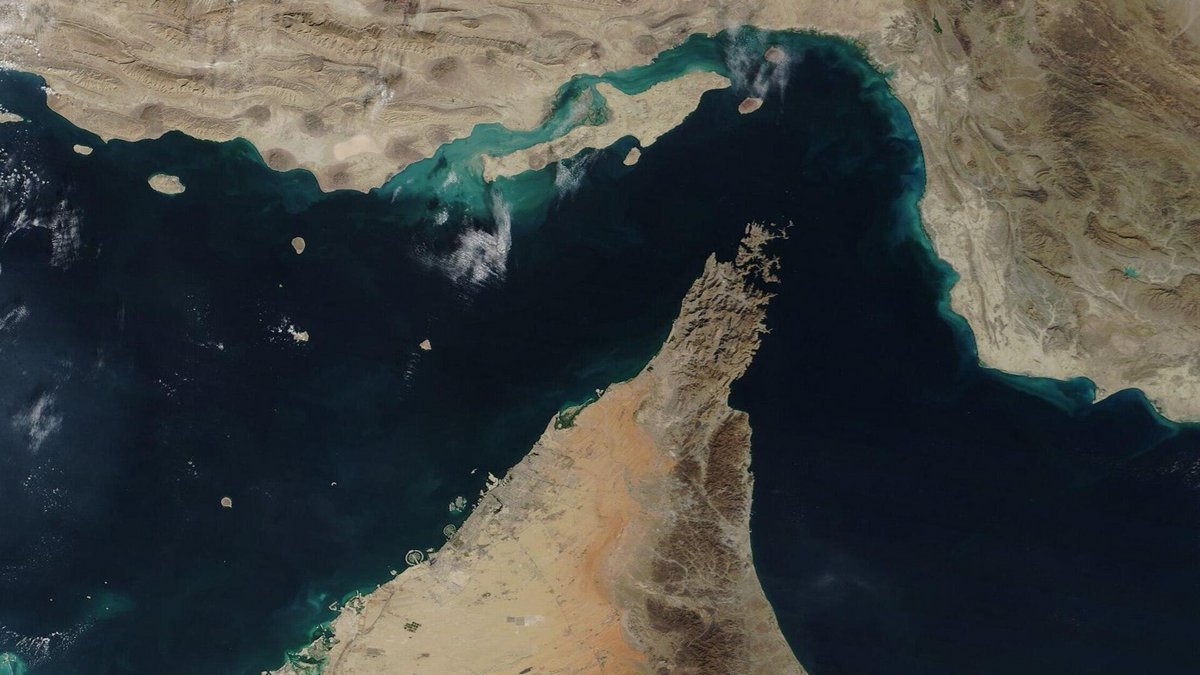
Oman and Iran have entered high-level discussions to establish a new framework for navigation through the Strait of Hormuz, as Tehran moves to formalize a “coordination-based” transit regime backed by the use of naval mines against non-compliant vessels.
The diplomatic outreach follows a series of maritime casualties on Thursday, in which the Iranian Navy reported that three oil tankers caught fire after striking naval mines east of the Strait. Iranian authorities characterized the vessels as “offending” ships that had entered prohibited areas and disabled their detection and navigation systems to avoid oversight.
A Shift Toward Conditional Transit
The core of the discussions between Omani Foreign Minister Badr bin Hamad bin Hamoud Al-Busaidi and Iranian Foreign Minister Abbas Araghchi centers on transitioning from temporary de-escalation to “sustainable understandings.” These proposed arrangements include technical mechanisms to secure trade and energy flows, but they appear contingent on vessels adhering to Iranian-defined protocols.
The Iranian Navy Public Relations Department issued a blunt warning to the industry, stating that the Strait is “unsafe and closed to illegal vessels” that attempt to transit without prior coordination. This signals a significant shift for maritime operators: Iran is no longer merely harassing traffic but is actively asserting a de facto regulatory layer over the waterway, using the threat of mines to enforce a requirement for direct communication with its naval forces.
Geopolitical Pressure and Operational Risk
The move to codify Hormuz transit comes amid intense political volatility in Washington. Following a Republican defeat in the US midterms, President Donald Trump is facing mounting pressure to dismiss Secretary of War Pete Hegseth over the administration’s management of the conflict with Iran. Internal White House scrutiny has also extended to senior military leadership, including Adm. Brad Cooper of US Central Command and Gen. Dan Caine, Chairman of the Joint Chiefs of Staff.
For the shipping industry, the immediate implication is a fundamental change in the risk profile of the Strait. If safety is now explicitly tied to “coordination” with the Iranian Navy, shipowners and masters face a legal and operational dilemma. Complying with Iranian demands for coordination may ensure physical safety from mines but could complicate insurance standing or conflict with the transit passage rights traditionally afforded under international maritime law.
Regional Diplomatic Alignment
While Oman remains the primary mediator, Iran is also engaging Saudi Arabia and Qatar to build regional consensus for this new maritime status quo. The goal, according to the Iranian Foreign Ministry, is to reach “practical, political, and technical understandings” that would end the state of war and prevent further confrontations.
The Iranian Navy has reiterated that the recent fires on tankers were the direct result of ignoring maritime warnings. By framing these incidents as the fault of the shipowners for failing to coordinate, Tehran is attempting to normalize its oversight of the chokepoint as a necessary safety measure rather than a violation of international shipping norms.
Source: India Shipping News