Iran Allows Iraqi Ships in Strait of Hormuz for Oil Exports | Mariner News
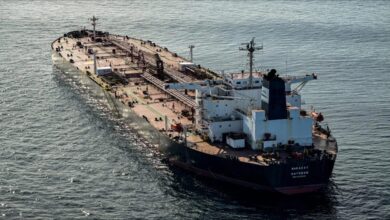
The recent declaration by Iran, granting Iraqi ships unrestricted passage through the strategic Strait of Hormuz, marks a significant development in Middle Eastern maritime affairs and global energy markets. This move, communicated by Iran’s military spokesman via state media, specifically exempts ‘brotherly Iraq’ from any shipping restrictions previously imposed in the vital waterway. This exemption primarily impacts the movement of Iraqi oil cargoes, a critical component of global crude supplies. Given that the Strait of Hormuz is a crucial chokepoint for a substantial portion of the world’s oil, such a decision has widespread geopolitical and economic ramifications. The announcement, particularly in a period of heightened regional tensions, underscores the complex interplay of diplomacy, energy security, and international shipping within the Persian Gulf. While the immediate implications appear positive for Iraq and potentially for global oil prices, the practicalities of implementation and the willingness of international shipping companies to navigate these waters remain key considerations.
Iran’s decision to open the Strait of Hormuz to Iraqi vessels is not merely a gesture of goodwill; it carries profound implications for global energy security and regional stability. This waterway, connecting the Persian Gulf to the open sea, is the world’s most important oil transit chokepoint, with approximately one-fifth of global petroleum consumption passing through it daily. Any restrictions or disruptions here send ripples across international markets. The Iranian military’s explicit exemption for Iraqi ships could potentially unleash an additional 3 million barrels a day of Iraqi oil cargoes onto the market, a substantial volume that could significantly influence crude prices and supply dynamics. This move could also be seen as a strategic play by Iran to foster stronger regional alliances, particularly with its neighbor Iraq, amidst ongoing international pressure and sanctions. The long-term effects on global crude supplies and the broader energy landscape warrant close observation, especially concerning how other nations and shipping entities react to this change in maritime policy.
The Strategic Importance of the Strait of Hormuz in Global Shipping
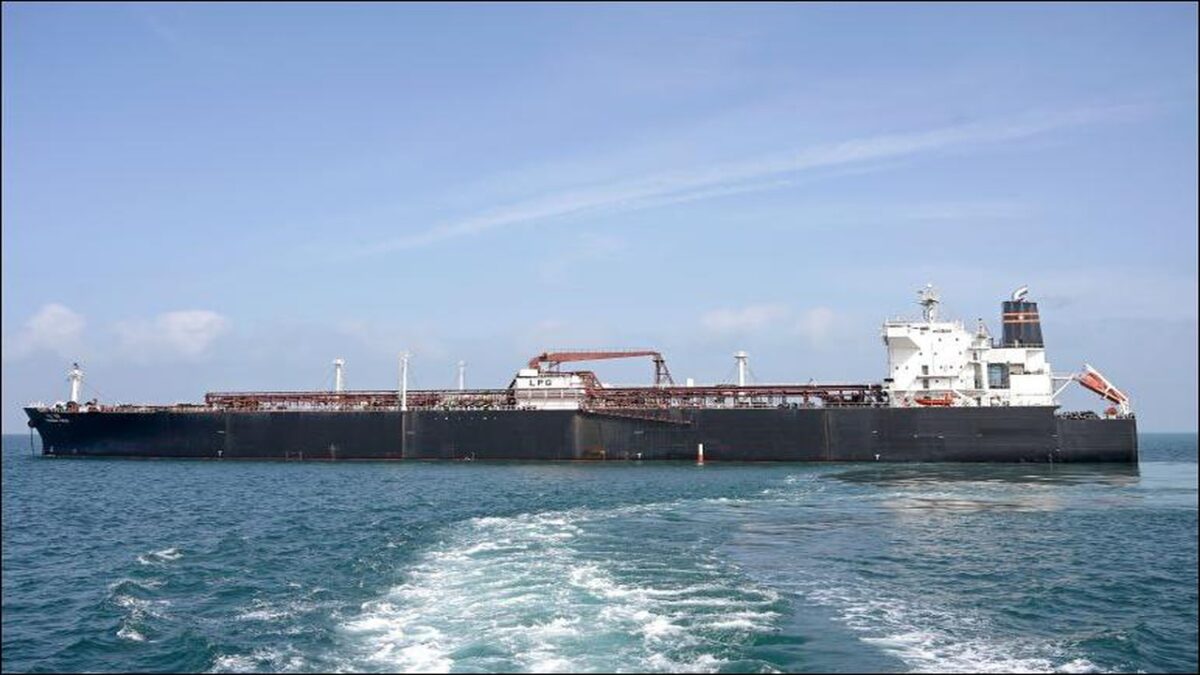
The Strait of Hormuz holds an unparalleled position in global maritime traffic, serving as the sole sea passage from the Persian Gulf to the open ocean. Its narrow channels, at some points just 21 miles wide, make it an easily controllable yet incredibly vital chokepoint. Through these waters, tankers carry crude oil and liquefied natural gas (LNG) from major Middle Eastern producers to markets worldwide. Countries like Saudi Arabia, Iran, Iraq, Kuwait, Qatar, and the United Arab Emirates rely heavily on this strait for their energy exports. The geopolitical sensitivity of the region means that any talk of shipping restrictions or enhanced security measures immediately captures international attention, impacting everything from oil futures to insurance premiums for maritime vessels. Historically, tensions in the region have led to disruptions, highlighting the strait’s vulnerability and its critical role in the global energy supply chain. The free flow of oil through the Strait of Hormuz is not just an economic imperative for energy-producing nations but a fundamental requirement for the energy security of consuming nations across Asia, Europe, and the Americas. The consistent movement of oil cargoes through this channel is essential for maintaining global economic stability, underscoring why Iran’s current announcement regarding Iraqi ships resonates so widely.
Implications for Iraqi Oil Exports and Global Crude Supplies
For Iraq, a major oil producer heavily dependent on oil revenues, the Iranian exemption in the Strait of Hormuz offers a potentially massive boost to its export capabilities. With the capacity to unleash an additional 3 million barrels per day of oil cargoes, Baghdad could significantly increase its crude oil exports, enhancing its economic stability and reconstruction efforts. However, the practical realization of this potential faces hurdles. An Iraqi official cautioned that the actual usefulness of the exemption hinges on the willingness of shipping companies to risk entering the strait to collect cargoes. Despite Iran’s declaration, the perception of security in a region prone to conflict might deter some international tanker operators. The ambiguity surrounding whether the exemption applies to all Iraqi oil or solely to nation-flagged tankers, and the specifics of its enforcement, further complicates the situation. Nevertheless, the prospect of increased crude supplies from Iraq could have a moderating effect on global oil prices, benefiting consuming nations by stabilizing energy costs. This potential influx of oil exports emphasizes the interconnectedness of regional politics and global energy markets, with the Strait of Hormuz acting as the critical artery for these vital movements.
Navigating Maritime Diplomacy and Regional Security Dynamics
Iran’s decision on the Strait of Hormuz comes within a broader context of intricate maritime diplomacy and shifting regional security dynamics. While tensions in the Middle East persist, marked by ongoing conflicts and geopolitical rivalries, there have also been subtle signs of de-escalation and cooperation in certain areas. The recent uptick in vessel traffic through the strait, despite a backdrop of increased threats and regional skirmishes, suggests a delicate balance is being struck. Reports of a French container ship and a Japanese-owned LNG tanker successfully transiting the strait highlight the continuous efforts of international shipping to maintain trade routes. However, these individual transits still represent a small fraction of the typical traffic levels, indicating that caution remains paramount for many international shippers and maritime insurance providers. Iran’s move to exempt Iraqi ships could be interpreted as a strategic effort to project regional influence and demonstrate its capacity for selective control over the waterway, rather than an absolute blockade. It also serves as a critical test of how international maritime law and regional power plays intersect, influencing the future of shipping lanes and freedom of navigation in contested waters.
Economic Repercussions for the Middle East and Beyond
The economic repercussions of Iran’s decision to open the Strait of Hormuz to Iraqi ships extend far beyond just oil prices. For Iraq, enhanced access to international markets for its crude oil exports translates directly into increased national revenue, which is crucial for public services, infrastructure development, and economic diversification. This could provide a significant stimulus to Iraq’s economy, which has long been impacted by conflict and instability. For Iran, the strategic decision could strengthen its economic and political ties with Iraq, fostering a more robust regional partnership. This kind of diplomatic outreach can be a powerful tool in navigating complex international relations and potentially mitigating some of the impacts of external pressures. More broadly, for other oil-producing nations in the Persian Gulf, a more stable and predictable shipping environment in the Strait of Hormuz, even if selectively applied, reduces uncertainty and can support broader regional economic confidence. However, the delicate balance of power means that any perceived shift could also prompt responses from other regional and international actors, potentially leading to new alliances or heightened rivalries. The stability of maritime transit through this critical choke point is a constant concern for global trade and economic planning, with every decision impacting commodity prices and supply chain resilience worldwide.
The Future of Shipping Confidence in Contested Waters
The long-term impact of Iran’s exemption for Iraqi ships on the overall confidence of the global shipping industry in the Strait of Hormuz remains a critical question. While the immediate benefit to Iraqi oil cargoes is clear, the broader shipping community evaluates risk based on consistency, transparency, and international consensus. The fact that the exemption is a unilateral declaration by Iran, rather than an internationally recognized agreement, might temper the enthusiasm of some shipping companies and insurers. For international maritime traffic to fully normalize, a greater degree of predictability and guarantees of safe passage are typically required. The decision also raises questions about the criteria for such exemptions and the potential for future changes, which can create an environment of uncertainty for tanker operators and dry cargo vessels alike. Maintaining the freedom of navigation through the Strait of Hormuz is paramount for global trade, and the ongoing dialogue between regional powers and international maritime organizations will be crucial in shaping future shipping policies. The movement of oil, gas, and container ships through these waters depends on a delicate balance of geopolitical factors, economic incentives, and the perceived security environment. As such, the world will continue to watch closely how this strategic opening for Iraqi ships influences broader maritime operations and the ongoing quest for stable and secure global energy supplies through this indispensable waterway.