Indonesia’s Sea Lanes: Strategic Power Over China | Mariner News
Indonesia holds a unique geopolitical advantage due to its strategic position controlling vital Indonesia’s sea lanes. These maritime thoroughfares, including the Malacca Strait and its archipelagic waters, are crucial for global shipping, especially for China’s extensive import and export activities between the South China Sea and the Indian Ocean. This complex dynamic grants Jakarta significant strategic leverage over Beijing, challenging the traditional view of one-sided economic dependence. China’s reliance on these routes means preserving Indonesia’s goodwill is paramount for its economic stability and continued access to international markets.
China’s Maritime Dependence and Economic Lifeline
China’s economy heavily relies on secure and uninterrupted maritime trade. Should any geopolitical tensions escalate, such as a potential blockade in response to an invasion, access through Indonesia’s waters becomes an indispensable economic lifeline. Beijing’s need to maintain open shipping routes through this region provides Jakarta with considerable diplomatic power. This necessity compels China to navigate its relationship with Indonesia carefully, acknowledging Jakarta’s sovereignty and regional interests.
Asserting Sovereignty in the South China Sea
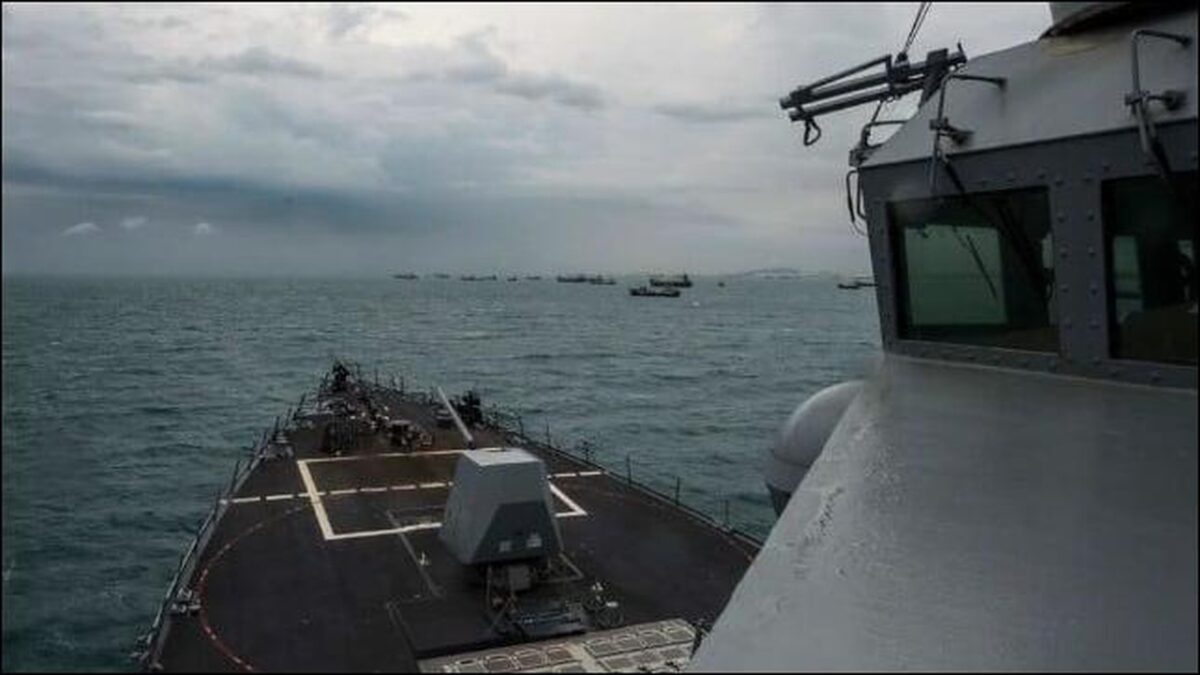
This strategic advantage empowers Indonesia to take a firm stance against Chinese incursions, particularly in the North Natuna Sea, part of its exclusive economic zone (EEZ) vaguely claimed by China’s nine-dash line. Past incidents, like Indonesia’s strong response to illegal fishing by Chinese vessels—including detentions and even firing upon ships—demonstrate Jakarta’s willingness to protect its sovereignty without fearing severe economic repercussions. Despite these actions, trade volumes between the two nations continued to rise, underscoring China’s enduring need for access to these critical maritime passages.
This intricate power balance highlights that Indonesia’s geographical location translates directly into significant geopolitical influence. Its control over these essential sea lanes offers robust leverage, enabling it to safeguard national interests while maintaining crucial economic ties with its largest trading partner.