Indian Shipbuilder Wins Ammonia-Fuelled Bulk Carrier Order | Mariner News
In a groundbreaking development poised to reshape the global maritime landscape, an Indian shipbuilder has secured its first-ever order for an ammonia-fuelled bulk carrier, signaling a pivotal moment for sustainable shipping and a significant endorsement of India’s growing capabilities in advanced shipbuilding. Swan Defence and Heavy Industries Limited (SDHI), a prominent Indian firm, has clinched a prestigious contract to construct four cutting-edge ammonia dual-fuel bulk carriers. This landmark deal represents not only a monumental achievement for SDHI but also India’s inaugural foray into the construction of vessels powered by this promising alternative marine fuel. These next-generation ships are designed to meet the burgeoning demand for eco-friendly maritime transport solutions, reinforcing the global commitment to reduce carbon emissions within the shipping industry. The order places India firmly on the map as a key player in the green shipbuilding revolution.
A Historic Contract Propelling Indian Shipbuilding Excellence
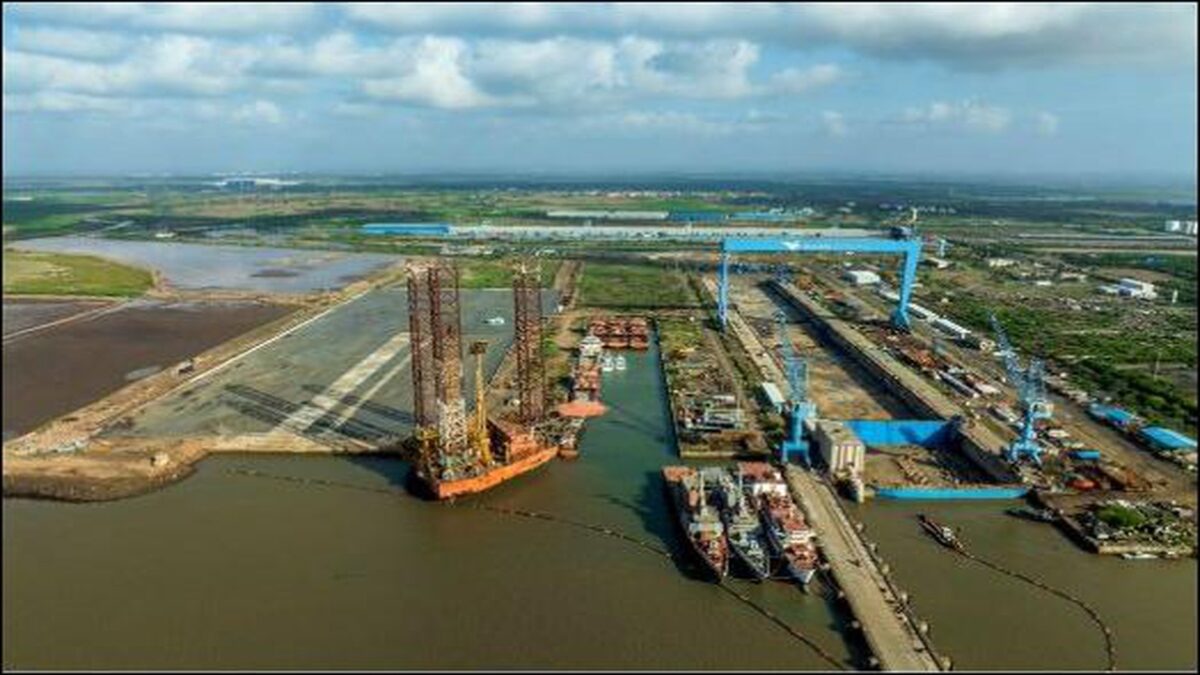
This high-value category 4 order, estimated to be worth between INR 15 and 30 billion (approximately $160-332 million), underscores the substantial investment and confidence in ammonia as a viable future fuel. The four vessels, each boasting an impressive capacity of 92,500 DWT, are destined for Energy ONE Limited, a forward-thinking client committed to integrating sustainable practices into its fleet operations. Construction will take place at SDHI’s state-of-the-art Pipavav shipyard in Gujarat, a facility increasingly recognized for its advanced technological infrastructure and skilled workforce. This contract serves as a powerful testament to the ‘Make in India’ initiative, demonstrating the nation’s prowess in delivering complex, high-technology maritime projects on a global scale. The successful execution of this order is expected to generate significant economic activity, create skilled jobs, and further elevate India’s standing in the international shipbuilding arena, attracting future investments and collaborative opportunities.
The strategic alliance bringing these innovative vessels to life involves key global partners. South Korea’s KMS-EMEC will provide the crucial design expertise, ensuring the vessels incorporate the latest advancements in ammonia engine technology and safety protocols. Classification will be handled by DNV, a leading global assurance and risk management provider, guaranteeing the highest standards of safety, reliability, and environmental performance. This collaborative approach highlights the international effort required to transition the shipping industry towards a greener future. The first vessel is slated for delivery in October 2029, a timeline that reflects the meticulous planning and complex engineering involved in constructing such pioneering ships. Subsequent vessels will follow at efficient four-month intervals, ensuring a steady rollout of this advanced fleet. Vivek Merchant, Director of SDHI, articulated the significance of this achievement, stating, “Winning this project is an important step forward for us. It reflects the confidence global stakeholders are placing in Indian shipbuilding, and in the capabilities we have developed at Pipavav.” This sentiment encapsulates the pride and strategic importance of this contract for India.
Ammonia’s Role in Decarbonising Global Shipping
Ammonia is rapidly emerging as a leading contender in the race to find a sustainable, zero-carbon fuel for the shipping industry. Its appeal stems from its potential for zero carbon emissions at the point of combustion, making it a powerful tool in marine decarbonisation efforts. Unlike fossil fuels, ammonia contains no carbon, thus eliminating CO2 emissions during operation. Furthermore, the global infrastructure for ammonia production and transport is already well-established, primarily for its use in fertilizers, which offers a significant head start compared to other nascent alternative fuels. This existing supply chain network presents a compelling advantage for its adoption in the maritime sector, promising scalability and accessibility.
However, the journey towards widespread ammonia adoption is not without its complexities. Ammonia, while promising, is a toxic substance, necessitating rigorous safety protocols, specialized bunkering infrastructure, and comprehensive crew training to ensure its safe handling and storage aboard vessels. Its lower energy density compared to traditional marine fuels also means larger fuel tanks may be required, impacting cargo space and vessel design. Despite these challenges, ongoing research and development are continually addressing these hurdles, with significant progress being made in engine technology, safety systems, and infrastructure development. The commercial availability of ammonia engines is now a reality, enabling forward-thinking shipowners like Energy ONE to make tangible commitments to green shipping. This contract signifies that the industry is gradually but decisively moving to embrace this transformative fuel, paving the way for a more environmentally responsible maritime future.
Technical Prowess and Collaborative Innovations for Sustainable Vessels
The construction of these ammonia-fuelled bulk carriers showcases cutting-edge marine engineering and design. The vessels will integrate dual-fuel engines capable of running on both conventional marine fuel and ammonia, providing operational flexibility and a pathway for gradual transition as ammonia bunkering infrastructure matures globally. The design by KMS-EMEC will focus on optimizing fuel efficiency, operational safety, and environmental performance, incorporating advanced systems for ammonia storage, handling, and supply to the engines. This includes sophisticated gas management systems and enhanced ventilation, critical for mitigating the risks associated with ammonia’s toxicity. DNV’s classification role will involve comprehensive oversight throughout the design, construction, and commissioning phases, ensuring compliance with international regulations and the highest safety standards for alternative fuel use. Their expertise is invaluable in validating the novel technologies and operational procedures specific to ammonia propulsion.
The collaboration between SDHI, KMS-EMEC, DNV, and Energy ONE Limited exemplifies a proactive, multi-stakeholder approach to accelerating maritime innovation. This partnership not only addresses the immediate need for greener vessels but also contributes to the broader ecosystem of knowledge and best practices for sustainable maritime transport. Such projects foster cross-industry learning, pushing the boundaries of what is possible in marine engineering. The successful integration of ammonia propulsion systems into large bulk carriers marks a significant technological leap, demonstrating that zero-emission shipping solutions are no longer distant aspirations but are rapidly becoming commercially viable realities. This commitment to advanced technology positions the Pipavav shipyard as a hub for future green shipbuilding endeavors, capable of delivering complex projects that meet the stringent environmental demands of the 21st century.
Paving the Way for a Greener Maritime Future and India’s Strategic Position
This landmark order for ammonia-fuelled bulk carriers extends far beyond the four vessels themselves; it represents a powerful catalyst for the wider adoption of green fuels in the maritime sector. By commissioning these ships, Energy ONE Limited is demonstrating leadership and setting a precedent for other shipowners to invest in sustainable solutions. This proactive stance is crucial for accelerating the energy transition in shipping, encouraging further research, development, and investment in the necessary infrastructure. The industry needs early adopters to prove the commercial and operational viability of new technologies, and this project serves precisely that purpose. It sends a clear signal to port authorities, fuel suppliers, and technology providers that demand for ammonia bunkering and related services will grow, stimulating the development of a comprehensive green maritime ecosystem.
Furthermore, this contract solidifies India’s strategic position in the global green shipping movement. As a nation with a vast coastline and significant maritime trade, India has a vested interest in developing sustainable shipping solutions. The success of SDHI in securing this order highlights India’s potential to not only build these advanced vessels but also to become a hub for green marine technology and services. This development aligns with India’s broader climate goals and its commitment to contributing to global efforts to combat climate change. The expertise gained through this project will be invaluable for future Indian shipbuilding initiatives, enabling the country to bid for more complex and technologically advanced contracts globally. This positions India as a key enabler of maritime decarbonisation, contributing to global environmental objectives while simultaneously boosting its domestic industrial capabilities.
Overcoming Challenges: Infrastructure, Safety, and Training
The transition to ammonia as a marine fuel presents a unique set of challenges that the industry is actively working to overcome. The most pressing among these is the development of robust bunkering infrastructure. Ports worldwide will need to invest in facilities capable of safely storing and transferring ammonia to vessels. This requires significant capital expenditure and adherence to stringent safety regulations, given ammonia’s hazardous nature. Establishing a global network of such bunkering hubs is critical for the widespread adoption of ammonia-fuelled ships, ensuring they can operate on key trade routes without limitations. Collaborative efforts between governments, port authorities, energy companies, and maritime stakeholders are essential to accelerate the deployment of this vital infrastructure.
Safety protocols for handling ammonia are paramount. Unlike conventional fuels, ammonia’s toxicity and corrosive properties demand specialized equipment, comprehensive emergency response plans, and advanced monitoring systems on board and during bunkering operations. Crew training is another critical aspect; seafarers operating ammonia-fuelled vessels require specialized education and certification in the safe handling, storage, and emergency procedures related to ammonia. This includes understanding the unique characteristics of ammonia engines, fuel systems, and safety devices. Industry bodies and training institutions are actively developing curricula and standards to prepare the next generation of maritime professionals for these green vessels. These challenges, while significant, are being systematically addressed through continuous innovation, regulatory development, and collaborative industry initiatives, ensuring that the promise of ammonia as a green marine fuel can be safely and effectively realized.
The Future Outlook for Ammonia-Fuelled Vessels
The delivery of these four ammonia-fuelled bulk carriers will mark a significant milestone in the journey towards a zero-emission shipping industry. This project will serve as a critical operational showcase, providing invaluable real-world data and experience for the entire maritime sector. As more vessels of this type enter service, the industry will gain deeper insights into their operational efficiency, maintenance requirements, and overall environmental performance. This will further refine vessel designs, engine technologies, and safety protocols, making ammonia propulsion even more viable and attractive to a broader range of shipowners and vessel types.
The success of this Indian shipbuilding venture is expected to spur further orders for ammonia-powered vessels across various segments, including tankers and container ships, driving greater momentum for green shipping solutions. The long-term outlook for ammonia as a sustainable marine fuel remains positive, supported by ongoing global efforts to decarbonise all sectors of the economy. As production methods for green ammonia (produced using renewable energy) become more widespread and cost-effective, its environmental benefits will be further enhanced. This pioneering contract by SDHI is not just about building ships; it is about building a sustainable future for global maritime transport, firmly positioning India at the forefront of this vital environmental and technological transformation. The journey to a truly green fleet is accelerating, and India is now playing a crucial role in steering it forward.