

India orders ports to report all abandoned and non-operational ships
India’s DGMA sets a 15-day deadline for ports to report all non-operational and abandoned vessels to mitigate safety and security risks.
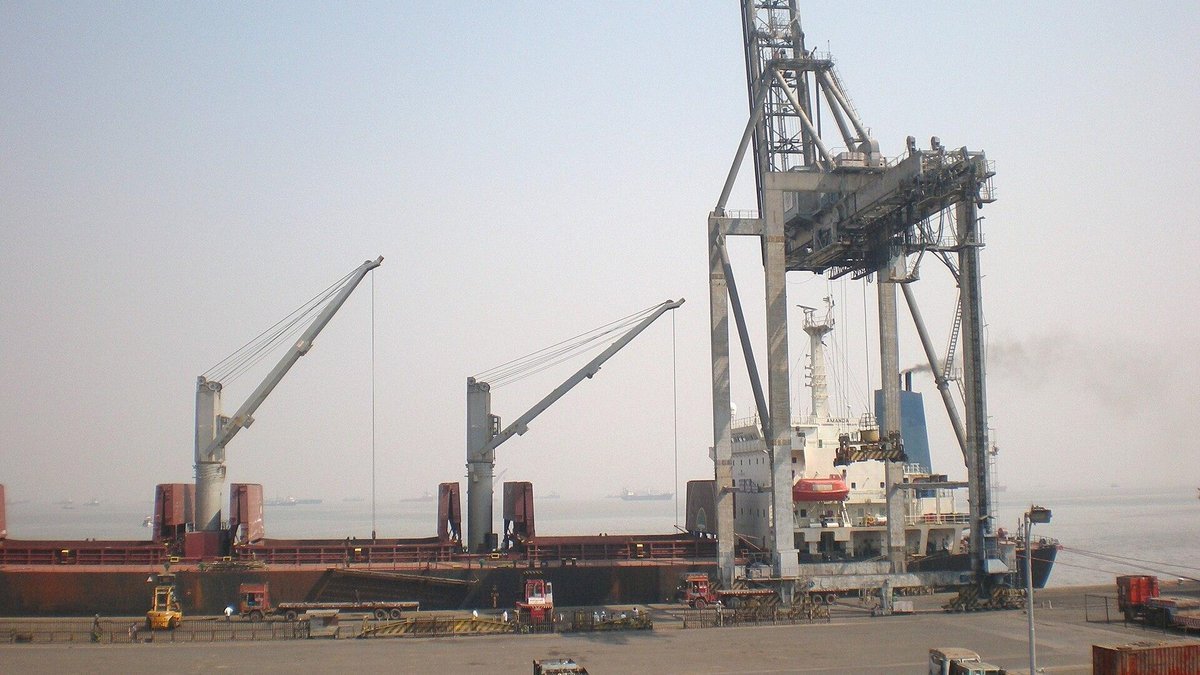
India’s maritime regulator has ordered a nationwide census of every abandoned, arrested, and non-operational vessel in its waters, giving port authorities 15 days to identify the owners and managers responsible for ships clogging anchorages.
The Directorate General of Maritime Administration (DGMA) issued the formal notice on 9 November 2026. It requires all major ports and port authorities to submit consolidated data on vessels that are abandoned, detained, immobilised, or otherwise non-operational within their jurisdictions. The reporting mandate covers vessels at berths, anchorages, and port approaches.
Ports must provide vessel particulars, current location, and the specific reason the ship is out of service. They are also required to name the shipowner, operator, manager, and agent for every vessel listed. Beyond technical data, the DGMA is demanding details on seafarer welfare, including the number of persons on board and any concerns regarding their treatment. The notice also requires information on the vessel’s cargo and bunkers, and any risks the ship poses to port infrastructure or the marine environment.
Authorities must report new cases that pose an immediate risk to life or safety immediately. For ongoing cases, ports must provide periodic updates until the vessel is no longer a concern or the matter is resolved.
Why it matters
The DGMA is closing the information gap on vessels that have long frustrated Indian port operations. By demanding the names of owners, managers, and agents alongside the vessel’s bunker and cargo status, the regulator is creating a central database to assign liability for potential environmental or navigational hazards. This move forces accountability onto owners who might otherwise leave troubled assets to languish in port limits.
For shipowners and managers, this means idle or arrested assets will face immediate regulatory scrutiny. The requirement for ports to report seafarer welfare concerns suggests the DGMA intends to intervene more aggressively in abandonment cases. This likely increases the speed at which P&I clubs and owners are drawn into local administrative or legal actions to resolve crew-related disputes.
The 15-day deadline forces port authorities to conduct an immediate audit of their waters. This will likely expose vessels that have been left in legal limbo due to court-ordered arrests or financial disputes. For charterers and traders, the move aims to reduce risks to safe navigation and port infrastructure by identifying and potentially clearing vessels that are no longer fit for service.
What to watch
Port authorities must submit their initial consolidated reports by 24 November 2026, providing the DGMA with its first comprehensive map of non-operational tonnage across the country.
Source: Shipping Telegraph