IMO Urges Global Respect for Freedom of Navigation | Mariner News
In a resolute call to the international community, IMO Secretary-General Arsenio Dominguez has underscored the paramount importance of upholding the fundamental principle of freedom of navigation. This crucial declaration comes amidst escalating tensions and recent attacks on commercial vessels, particularly in the volatile region around the Strait of Hormuz. Dominguez’s statement serves as a stark reminder that the unfettered passage of ships is not merely a courtesy, but a cornerstone of international maritime law and essential for the stability of global commerce.
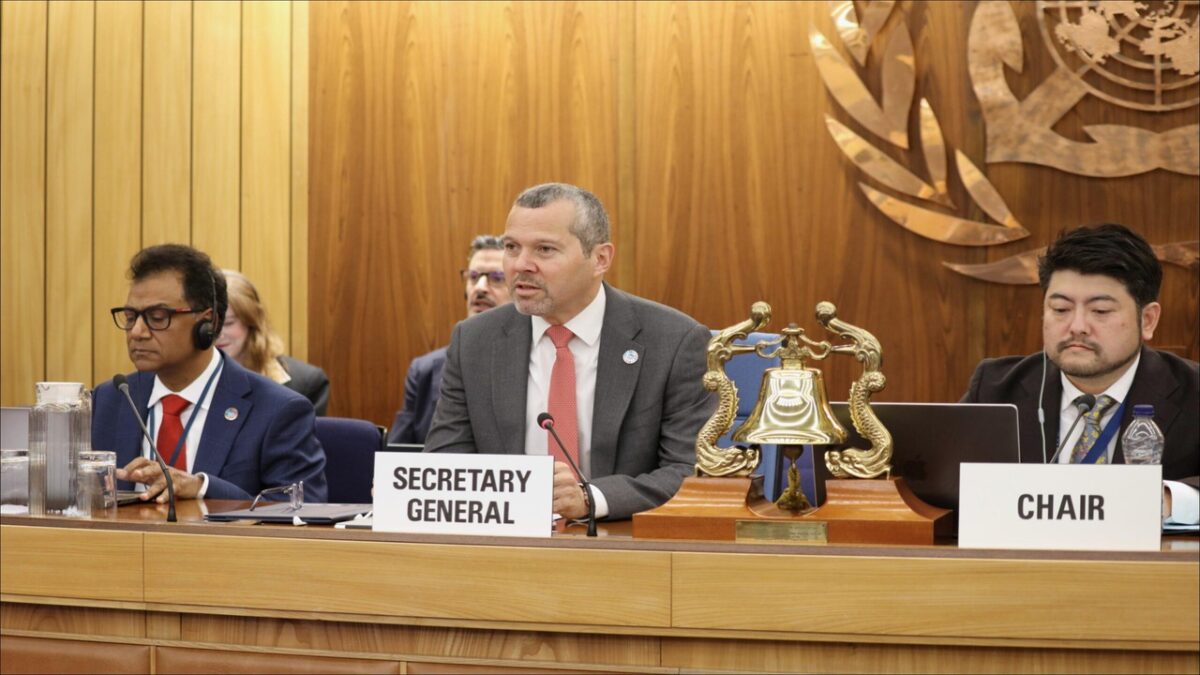
The Secretary-General’s address, delivered at the 12th session of the IMO Sub-Committee on Ship Systems and Equipment, highlighted the severe human cost of these incidents. With at least seven fatalities and several seafarers injured, the human element of maritime operations is once again in the spotlight. “Any attack on innocent seafarers or civilian shipping is unacceptable,” Dominguez asserted, reiterating the IMO’s unwavering commitment to the safety and security of those who navigate the world’s oceans, driving the intricate web of international trade and supply chains.
Upholding the Global Mandate: The Imperative of Freedom of Navigation
Freedom of navigation, a deeply enshrined principle under international maritime law, particularly articulated in the United Nations Convention on the Law of the Sea (UNCLOS), ensures that vessels from all nations can traverse international waters without undue interference. This principle is not just about the unimpeded movement of ships; it is a vital pillar supporting global trade, economic prosperity, and geopolitical stability. Without it, the intricate network of supply chains that delivers goods and resources worldwide would grind to a halt, leading to widespread economic disruption.
For centuries, maritime routes have been the lifeblood of global commerce, connecting continents and cultures. The ability of commercial shipping to operate freely and safely is therefore non-negotiable for nations dependent on imports and exports. The IMO Secretary-General’s emphasis on this universal right underscores its critical role in maintaining peace and order across the world’s oceans, preventing regional conflicts from escalating into broader international crises that could severely impact global shipping lanes.
Escalating Maritime Threats and the Human Cost to Seafarers
The recent spate of attacks on commercial vessels has brought to the fore the increasing threats faced by the shipping industry and, more acutely, by the dedicated seafarers who crew these ships. These incidents, often occurring in strategically vital yet vulnerable international waters, pose immediate dangers to life and limb. Seafarers, often far from home, bravely navigate these challenging conditions, serving as the unsung heroes of global commerce.
Beyond the physical risks, the psychological toll on these essential workers is immense. Operating in areas marked by high tensions and the constant threat of aggression creates an environment of pervasive fear and stress. The IMO, through its Secretary-General, consistently advocates for the protection of these innocent individuals, emphasizing that their safety and well-being should be a primary concern for all state and non-state actors operating in maritime zones. Ensuring seafarer safety is not only a moral imperative but also fundamental to the continuity of global maritime operations.
The Strait of Hormuz: A Critical Chokepoint for International Shipping
The Strait of Hormuz, a narrow waterway connecting the Persian Gulf to the Arabian Sea and the open ocean, stands as one of the most critical maritime chokepoints in the world. Its strategic importance cannot be overstated, as a significant portion of the world’s oil and liquefied natural gas (LNG) transits through this passage daily. Any disruption or threat to commercial shipping in this region sends immediate ripple effects across global energy markets and international trade routes.
Recent incidents in and around the Strait of Hormuz highlight the fragility of maritime security in such high-stakes geographical locations. The vulnerability of vessels, particularly commercial shipping, to attacks or harassment in this confined space poses significant challenges for maritime security forces and international navigation. Protecting these vital shipping lanes is paramount not just for regional stability but for the economic health of nations worldwide that rely on the unimpeded flow of goods and energy resources.
IMO’s Concerted Efforts to Enhance Maritime Security and Safety
Under Secretary-General Arsenio Dominguez’s leadership, the IMO remains at the forefront of efforts to enhance maritime security and safeguard global shipping. The organization plays a pivotal role in monitoring evolving situations, providing critical intelligence, and facilitating diplomatic solutions to maritime challenges. This includes making available a dedicated webpage that offers verified updates and guidance to shipping companies and administrations, enabling them to assess risks and implement necessary precautionary measures when operating in affected waters.
Moreover, the IMO works tirelessly to reinforce international legal frameworks and promote compliance with established maritime protocols. Through various initiatives, resolutions, and international conventions, the organization strives to create a safer, more secure environment for all seafarers and vessels. The continuous monitoring, coupled with robust advocacy for international law, demonstrates the IMO’s commitment to ensuring the fundamental principle of freedom of navigation is universally respected and upheld.
Economic Ripple Effects: Disruptions to Global Supply Chains and Trade
The ripple effects of disrupted maritime operations extend far beyond the immediate vicinity of attacks. When commercial shipping routes are deemed unsafe, shipping companies are forced to re-evaluate their strategies, often leading to longer transit times, increased fuel consumption, and higher insurance premiums. These additional costs are inevitably passed on to consumers, contributing to inflationary pressures and impacting global supply chains that are already under stress from various geopolitical and economic factors.
Major shipping lines may opt for longer, alternative routes to avoid high-risk areas, significantly increasing the duration and expense of voyages. Such diversions not only inflate operational costs for vessels but also introduce delays in the delivery of essential goods, raw materials, and finished products. The cumulative impact on global trade can be substantial, hindering economic growth and affecting industries reliant on timely and cost-effective maritime transportation. The stability of maritime routes is therefore directly linked to global economic stability.
Fostering International Cooperation for Stable Maritime Operations
The complex challenges to freedom of navigation and maritime security necessitate a concerted, cooperative response from the entire international community. No single nation or organization can effectively address these multifaceted threats alone. The IMO Secretary-General’s call for all parties to respect international maritime law underscores the need for collective responsibility and shared commitment to upholding global norms and principles.
International cooperation involves diplomatic engagement, intelligence sharing, coordinated patrols, and adherence to established legal frameworks. By working together, nations can deter acts of aggression, protect critical shipping routes, and ensure the safe passage of commercial vessels. This collaborative approach is vital not only for responding to immediate crises but also for building a resilient maritime environment capable of withstanding future challenges to global commerce and navigation.
Navigating Future Challenges: Ensuring Sustainable Maritime Peace
As the maritime landscape continues to evolve, new challenges emerge alongside persistent threats. Geopolitical tensions, the proliferation of advanced weaponry, and the increasing sophistication of non-state actors all contribute to a dynamic and often unpredictable operating environment for commercial shipping. Ensuring sustainable maritime peace requires a proactive and adaptive approach, leveraging technology, intelligence, and international partnerships to anticipate and mitigate risks.
Looking ahead, the international community must remain vigilant and committed to reinforcing the legal and diplomatic structures that underpin freedom of navigation. Investment in maritime security capabilities, fostering dialogue among nations, and consistently upholding the rule of law are essential steps toward securing the world’s oceans for future generations of seafarers and global trade. The journey towards enduring maritime peace is ongoing, demanding continuous effort and unwavering resolve from all stakeholders.
Conclusion: Upholding Maritime Peace Through Respect for Law
IMO Secretary-General Arsenio Dominguez’s powerful reminder about the necessity of respecting freedom of navigation is a timely and critical message for the global community. The principle of freedom of navigation is indispensable for maritime security, the safety of seafarers, and the smooth functioning of international trade. The ongoing challenges, particularly in strategic waterways like the Strait of Hormuz, highlight the fragility of peace and the profound impact disruptions can have on global stability and economic prosperity.
The IMO continues to play a crucial role in advocating for and facilitating solutions to these pressing issues, but ultimate success hinges on the collective commitment of all parties to adhere to international law and uphold shared responsibilities. By prioritizing seafarer safety, fostering international cooperation, and demonstrating unwavering respect for maritime law, the world can ensure that the oceans remain arteries of peace and prosperity, vital for the future of global commerce and human well-being.