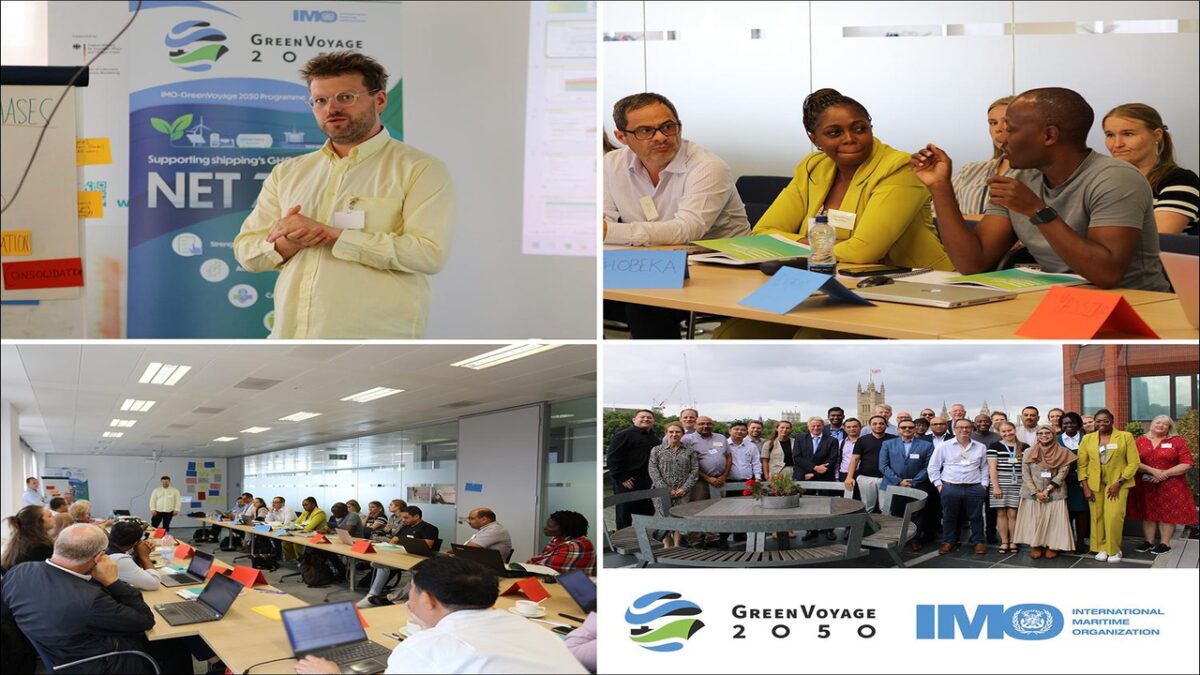
IMO-EU Supports Africa’s Green Shipping Fuels | Mariner News
The global maritime industry is at a pivotal crossroads, with increasing pressure to decarbonize and adopt cleaner energy solutions. In a significant move towards this greener future, the IMO-EU Project is actively seeking African governments to participate in a groundbreaking initiative designed to bolster their capacity for alternative fuel support in the shipping sector. Known as ‘Future-Ready Shipping in Africa,’ this collaborative program from the International Maritime Organization (IMO) and the European Union (EU) offers crucial technical assistance, aiming to transform the continent’s maritime landscape. This initiative is not merely about compliance; it represents a strategic opportunity for sub-Saharan African nations to become leaders in sustainable shipping, fostering economic growth while significantly reducing their environmental footprint. By providing expert guidance on alternative marine fuels, port infrastructure, and regulatory frameworks, the project sets a precedent for regional cooperation in tackling global climate challenges, empowering African nations to shape their maritime destinies.
Catalyzing Green Shipping in Africa
The overarching vision of the ‘Future-Ready Shipping in Africa’ program is to accelerate the region’s transition towards a lower-carbon shipping future. This ambitious goal aligns perfectly with the IMO’s revised Greenhouse Gas (GHG) Strategy, which targets net-zero GHG emissions from international shipping by or around 2050. The initiative aims to strengthen the institutional and technical capacity of sub-Saharan African countries, enabling them to attract essential funding for future marine fuel infrastructure development. This includes evaluating the viability of various alternative marine fuels, from green hydrogen and ammonia to biofuels and methanol, considering the specific context and potential of each nation. The project is designed to equip participating governments with the tools and knowledge necessary to make informed decisions regarding their maritime energy transition, ensuring that their ports and shipping industries are not only compliant with future international regulations but also competitive and resilient in a rapidly evolving global market. The emphasis is on practical, actionable strategies that can be implemented to achieve tangible results in shipping sustainability.
Strategic Support for Developing Alternative Fuel Pathways
At the heart of this IMO-EU initiative lies a comprehensive package of technical assistance tailored to the unique needs of sub-Saharan African nations. Selected participants will receive invaluable support for conducting rigorous feasibility studies and meticulous project preparation related to environmentally sustainable fuels. This includes a thorough review of existing port infrastructure to assess its readiness for the bunkering and shipment of alternative marine fuels. Identifying infrastructure gaps is a critical component, allowing governments to pinpoint areas requiring investment and development. Furthermore, the program assists in analyzing and establishing robust regulatory and safety requirements specific to these new fuel types, ensuring safe and efficient operations. Expertise will also be provided to help authorities analyze various viable fuel pathways, evaluating their economic, environmental, and operational implications. Ultimately, the project empowers governments to prepare compelling business cases for investment, making their projects attractive to both public and private sector funding sources, a crucial step for the successful deployment of green technologies in their maritime sectors. This holistic approach ensures that alternative fuel support is not just about technology, but also about the underlying ecosystem required for its success.
Cultivating Port Readiness and Investment Opportunities
Achieving genuine port readiness for alternative marine fuels requires more than just technical assessments; it demands a strategic roadmap for investment and development. The ‘Future-Ready Shipping in Africa’ program directly addresses this by helping governments not only identify infrastructural shortcomings but also devise practical solutions. This involves exploring innovative financing mechanisms, engaging with potential investors, and fostering public-private partnerships that can drive the necessary capital injection into port facilities. The technical support extends to developing robust national and regional strategies that integrate the adoption of green fuels into broader maritime development plans. For instance, detailed studies might evaluate the best locations for new bunkering facilities, assess the logistics of fuel supply chains, and project the economic impact of such developments on local communities through job creation and enhanced trade opportunities. The goal is to create an enabling environment where investment in sustainable maritime transport becomes attractive and fruitful, transforming African ports into vibrant hubs for green shipping and positioning them as key players in the global effort to combat climate change, ensuring long-term shipping sustainability.
A Call to Action for African Governments
The invitation to participate in this transformative program is extended to government ministries, departments, agencies, and state-owned enterprises across sub-Saharan Africa. This targeted approach ensures that the support reaches the entities best positioned to implement meaningful change within their national maritime sectors. Expressions of interest must be officially submitted by these government entities, underscoring the necessity of political will and institutional commitment for the success of such initiatives. The deadline for submission, March 9, 2026, emphasizes the urgency and time-sensitive nature of embracing this opportunity for alternative fuel support. By engaging with the IMO-EU project, African governments can gain access to world-class expertise, facilitate knowledge transfer, and leverage international collaboration to accelerate their journey towards future-ready shipping. This is a pivotal moment for African nations to secure a competitive edge in the evolving global maritime industry, demonstrating leadership in environmental stewardship and fostering economic resilience through innovation in alternative marine fuels.
Paving the Way for Long-Term Maritime Decarbonization
Beyond the immediate benefits of technical assistance and project preparation, the ‘Future-Ready Shipping in Africa’ program is a crucial stepping stone towards the long-term decarbonization of the continent’s maritime sector. This initiative helps African nations build robust frameworks for maritime emissions reduction, contributing significantly to global climate action. The knowledge and strategies developed under this project will not only facilitate the adoption of alternative marine fuels but also inspire broader innovation in ship design, operational efficiencies, and port management practices. By fostering an ecosystem that encourages sustainable practices, the program will empower African countries to not only meet international environmental targets but also to develop their own green maritime industries, creating new jobs and economic opportunities. This forward-looking approach ensures that the investments made today in alternative fuel support will yield sustainable returns for generations, positioning Africa at the forefront of the global movement towards a greener, more resilient maritime future, solidifying its commitment to shipping sustainability.