IACS Ammonia Release Mitigation on Ships Safety Framework

The International Association of Classification Societies (IACS) has published a crucial ammonia safety framework for ships, specifically addressing ammonia release mitigation systems on ammonia-fuelled vessels. This new unified requirement, UR H2, establishes comprehensive guidelines for designing, installing, and certifying systems to manage potential ammonia releases. As the maritime industry explores alternative fuels for decarbonization, ensuring […]
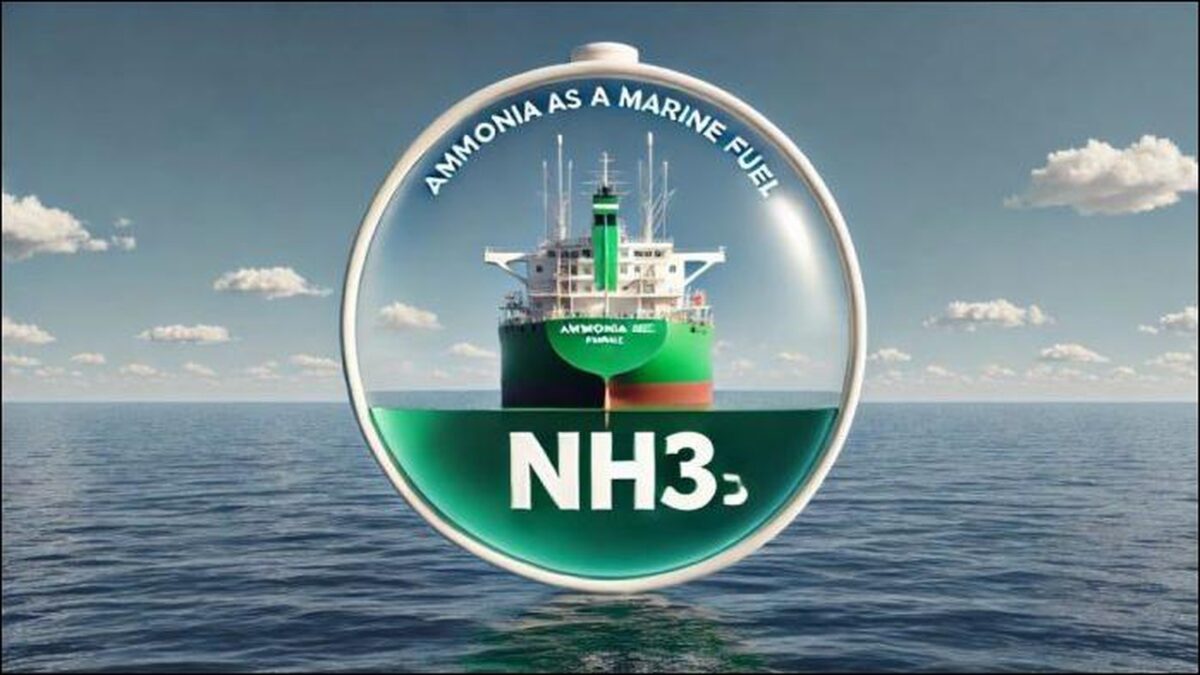
The International Association of Classification Societies (IACS) has published a crucial ammonia safety framework for ships, specifically addressing ammonia release mitigation systems on ammonia-fuelled vessels. This new unified requirement, UR H2, establishes comprehensive guidelines for designing, installing, and certifying systems to manage potential ammonia releases. As the maritime industry explores alternative fuels for decarbonization, ensuring the highest safety standards for toxic fuels like ammonia is paramount.
Implementing Robust Mitigation Systems
UR H2 outlines precise specifications for these vital mitigation systems, covering their design, installation, testing, and certification. This ensures effective management of ammonia leaks during routine operations and accident scenarios. The framework aligns with IMO guidance, promoting consistent assessment and approval by classification societies. It recognizes diverse mitigation technologies, including dissolution tanks, scrubbers, and dilution systems, provided they meet defined safety goals.
Safeguarding Ammonia-Fueled Shipping
Beyond initial certification, UR H2 also sets expectations for workshop and onboard testing, continuous certification, and operational readiness. This ensures that ammonia release mitigation systems remain effective throughout a vessel’s service life. While ammonia is a promising marine fuel for achieving decarbonization, its inherent high toxicity poses significant safety challenges. This robust IACS safety framework is a crucial step towards safely integrating ammonia into the global fleet.