HyFive Secures E-Methanol Offtake for Spanish Green Fuel Plant | Mariner News
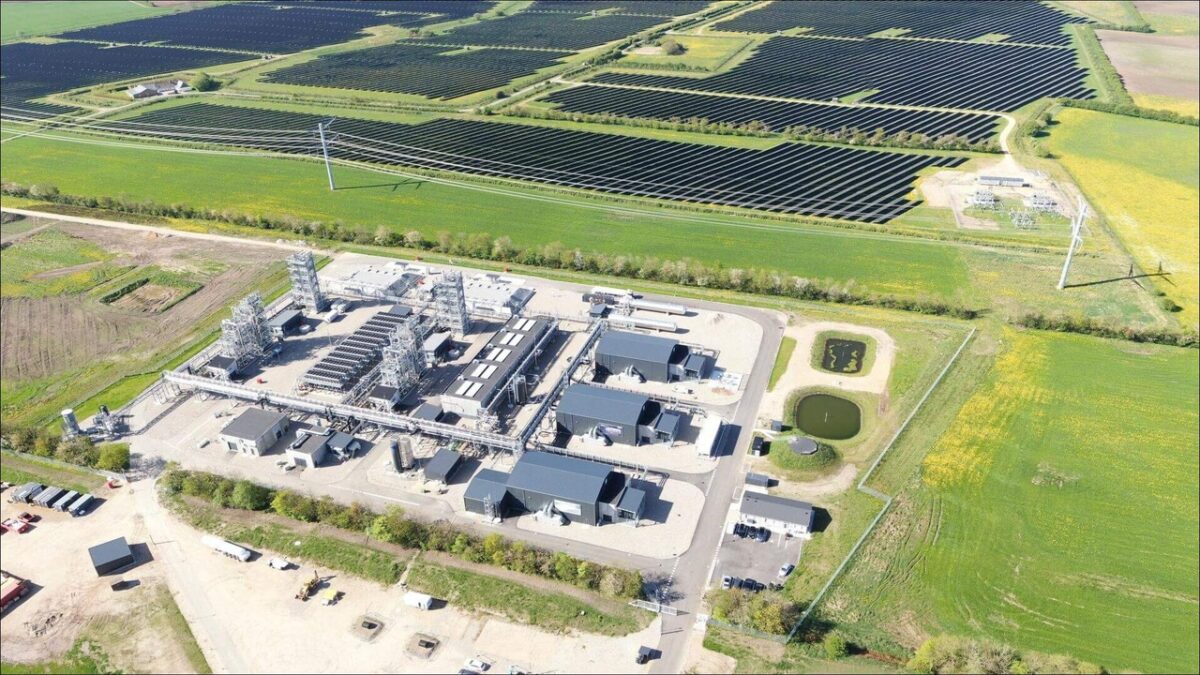
In a pivotal move for the sustainable shipping sector, HyFive, a leading Spanish renewable energy firm, has officially announced the securing of an offtake term sheet for up to 50% of the production from its groundbreaking Musel GreenMet e-methanol plant in Spain. This significant agreement marks a critical milestone, transitioning the industry beyond preliminary expressions of interest towards tangible, commercially binding commitments for green methanol supply. The Musel GreenMet facility, poised to produce an impressive 100,000 metric tons per year of e-methanol, is set to play a crucial role in accelerating the global energy transition and providing vital sustainable fuel solutions for maritime and other hard-to-abate sectors.
This development underscores a burgeoning maturity in the renewable fuels market. While the pace of progress has, at times, been slower than anticipated by some industry observers, there is an undeniable surge in activity as a growing number of green energy projects advance from conception to realization. HyFive’s proactive strategy of locking in substantial offtake agreements early reflects a broader trend where pioneering companies are establishing robust frameworks to ensure the long-term viability and market integration of low-carbon fuels. This commercial commitment not only derisks the project but also sends a powerful signal to the wider market about the increasing demand and economic feasibility of e-methanol production.
Catalyzing the Green Fuel Market
The landscape of alternative marine fuels is rapidly evolving, driven by an urgent global imperative to reduce carbon emissions and achieve ambitious climate targets. HyFive’s recent offtake agreement is a clear indicator that the green fuel market is entering a new phase of commercialization, moving beyond the theoretical and into practical application. This shift is crucial for fostering confidence among investors, technology developers, and end-users, propelling the entire sustainable energy ecosystem forward. Companies are no longer merely exploring decarbonization pathways but are actively laying the groundwork for a future powered by clean, renewable resources.
This progression is not isolated but is part of a larger, systemic shift within the global economy toward greater sustainability. The maritime industry, in particular, faces immense pressure to reduce its carbon footprint, making e-methanol an increasingly attractive option due to its relatively straightforward adoption with existing engine technologies, albeit with modifications, and its lower handling complexity compared to other alternative fuels. The move by HyFive illustrates a strategic foresight in anticipating and addressing the future fuel demands of sectors committed to meaningful emissions reduction.
Furthermore, the transparency and concrete nature of this offtake term sheet contribute significantly to market clarity, providing a benchmark for future transactions in the nascent green fuel supply chain. It validates the investment cases for large-scale renewable methanol projects and encourages more players to enter the market, fostering competition and innovation. This commercial validation is essential for scaling up the production capacity required to meet the anticipated surge in demand for truly sustainable fuels.
Strategic Advantage of Port-Located Production
HyFive’s strategic approach to developing its e-methanol plant in major port locations, such as the site for Musel GreenMet, offers a significant competitive advantage. By leveraging existing port infrastructure, the company can significantly reduce both capital expenditure and operational costs. This includes access to established logistics networks, storage facilities, and bunkering capabilities, which are crucial for the efficient distribution and uptake of alternative fuels by the shipping industry. The integration with existing port ecosystems streamlines the entire sustainable fuel supply chain, from production to bunkering.
Developing renewable energy projects within port zones also facilitates a synergistic relationship with the surrounding industrial and maritime activities. This proximity to demand centers minimizes transportation costs and emissions associated with fuel delivery, further enhancing the environmental benefits and economic viability of e-methanol. Such integrated approaches are vital for ensuring that low-carbon fuels are not only produced sustainably but also delivered to end-users in the most efficient and cost-effective manner possible, thereby accelerating their widespread adoption in the maritime energy transition.
This strategic placement is particularly relevant for the shipping sector, which operates on tight margins and relies heavily on efficient logistics. By situating production capabilities close to major shipping lanes and bunkering hubs, HyFive is directly addressing one of the key challenges in the adoption of new fuels: availability and accessibility. It creates a robust infrastructure for e-methanol bunkering, making it easier for vessels to refuel with a sustainable alternative and supporting fleet owners in their decarbonization efforts.
Driving Demand: European Regulations and Supply Dynamics
The demand for renewable fuels like e-methanol is not solely market-driven; it is also significantly bolstered by an increasingly stringent regulatory environment, particularly within Europe. Legislation such as RED III (Renewable Energy Directive III), FuelEU Maritime, and ReFuelEU Aviation are designed to progressively mandate the incorporation of sustainable fuels into the energy mix of various transport sectors. FuelEU Maritime, for instance, sets ambitious targets for greenhouse gas intensity reduction of energy used on ships, effectively creating a strong pull for green fuels and accelerating the maritime industry’s sustainability journey.
These European regulations provide a clear long-term signal to the market, encouraging investment in green technology and production capacity. They transform the abstract concept of emissions reduction into concrete compliance requirements, compelling shipping companies and airlines to actively seek out and secure supplies of e-methanol and methanol-to-jet SAF. This regulatory push is a critical enabler for the market for low-carbon fuels, transforming voluntary adoption into a regulatory necessity.
At the same time, HyFive rightly points to a growing risk of tight supply in the coming years. The development of large-scale, credible e-methanol plants is a capital-intensive and time-consuming endeavor, requiring extensive planning, permitting, and construction periods. This combination of long development timelines and high capital requirements means that not all announced production capacity is likely to materialize before 2030, creating a potential supply deficit. This dynamic is profoundly influencing market behavior, with astute buyers proactively moving to secure green fuel supply rather than waiting for greater market certainty, thereby establishing early strategic partnerships.
The Future of Maritime Decarbonization with E-Methanol
E-methanol is rapidly emerging as a cornerstone for maritime decarbonization, offering a viable and scalable pathway to significantly reduce the carbon footprint of global shipping. Its attributes, including ease of storage, handling, and existing infrastructure compatibility (with engine modifications), make it an attractive transition fuel. As more e-methanol plants come online, the economies of scale are expected to drive down production costs, making this sustainable alternative even more competitive against conventional fossil fuels. The industry’s investment in e-methanol bunkering infrastructure at key ports worldwide will further solidify its position as a leading alternative marine fuel.
The widespread adoption of e-methanol will necessitate continued innovation in engine technology, propulsion systems, and digital solutions to optimize fuel consumption and operational efficiency. Shipowners and operators are increasingly evaluating retrofits and newbuilds with methanol-ready engines, demonstrating a tangible commitment to the energy transition. This technological evolution, coupled with the increasing availability of renewable methanol, forms a powerful alliance in the pursuit of a zero-emission future for the maritime industry.
Furthermore, the ability of e-methanol to serve as a feedstock for Sustainable Aviation Fuel (SAF), as highlighted by regulations like ReFuelEU Aviation, broadens its impact beyond just shipping. This versatility underscores its potential as a multifaceted green energy solution that can contribute to decarbonization efforts across multiple transport sectors, enhancing its strategic importance in the broader global transition away from fossil fuels. The synergistic benefits of such cross-sector applications only amplify the value proposition of investing in large-scale e-methanol production.
HyFive’s Vision and Global Impact
HyFive’s commitment to developing projects like Musel GreenMet represents a proactive vision for a sustainable future. By securing significant offtake agreements, they are not only ensuring the commercial success of their e-methanol plant but also contributing substantially to the global supply of renewable fuels. This commitment to innovative green technology and strategic partnerships exemplifies the leadership required to navigate the complexities of the energy transition. Their model of leveraging port locations for competitive advantage creates a blueprint for efficient and effective sustainable fuel production globally.
Such projects are vital components of the collective effort to achieve net-zero emissions. They demonstrate that while the journey to complete decarbonization is challenging, it is undeniably achievable through focused investment, technological innovation, and strong commercial agreements. HyFive’s initiatives contribute directly to strengthening the green fuel supply chain and fostering greater resilience in global energy systems, reducing reliance on fossil-derived fuels.
This move by HyFive, along with similar advancements by other industry leaders, signals a clear and irreversible trajectory towards a greener global economy. It reinforces the urgent need for continued investment in sustainable energy solutions, infrastructure development, and supportive policy frameworks to accelerate the adoption of low-carbon fuels across all sectors. The Musel GreenMet project stands as a testament to the fact that commercially viable renewable energy projects are not just aspirations but tangible realities shaping our future.
The signing of this offtake term sheet by HyFive for its Spanish e-methanol plant is more than just a business deal; it is a significant step forward for the entire sustainable shipping and green energy landscape. It underscores the accelerating shift towards real-world commercial commitments for renewable fuels, driven by strategic project development, robust regulatory frameworks, and a growing understanding of potential supply constraints. As the world moves decisively towards a cleaner energy future, projects like Musel GreenMet are indispensable in forging a path to genuine maritime decarbonization and a truly sustainable global economy. The momentum is building, and the future of green fuels looks increasingly bright.