

Hybrid Transmissions Offer Fleet Owners a Hedge Against Fuel Volatility
Next-gen hybrid transmissions allow fleets to switch between diesel and electric power, cutting fuel costs and meeting emission rules.
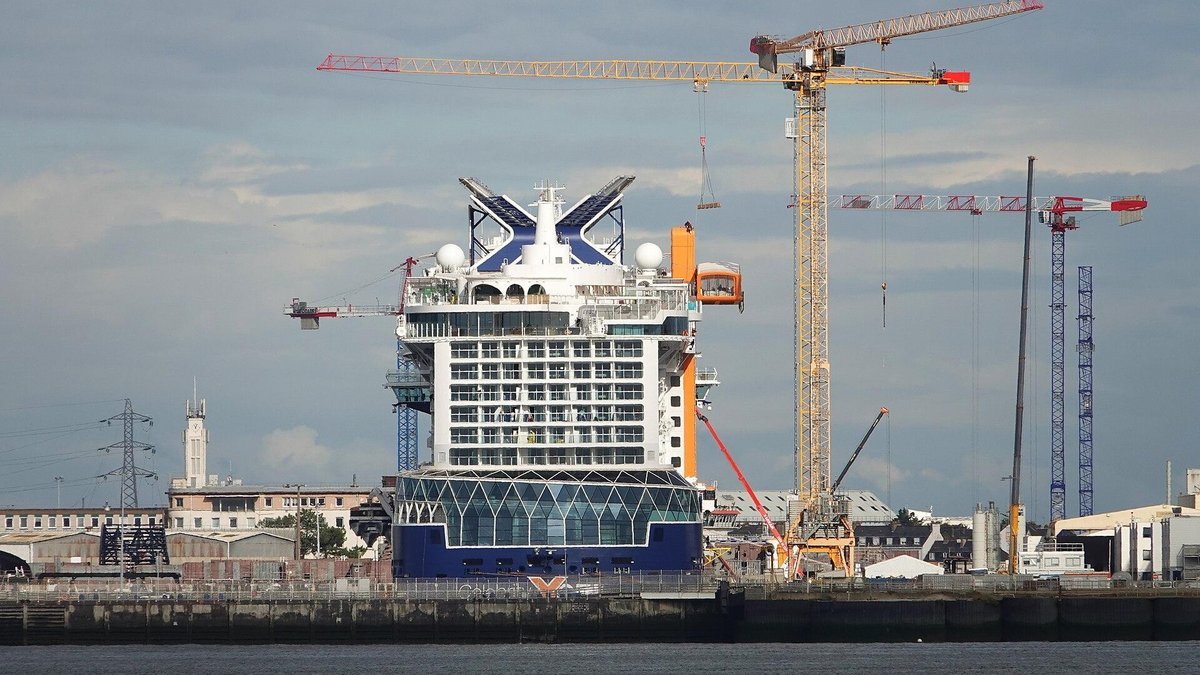
Next-generation hybrid and electric transmissions are moving into modern marine fleets to provide a buffer against fuel price volatility and tightening emissions mandates. These systems allow vessels to switch between conventional engines and electric motors, giving owners the flexibility to optimize power use based on real-time operational needs.
Hybrid systems integrate multiple power sources into a single driveline, often combining diesel engines with electric motor-generators. This setup enables various operating modes, including mechanical, purely electric, or a combination of both for peak power requirements. The technology focuses on maintaining optimal engine loads and reducing unnecessary idling during low-speed operations.
Why it matters
The transition to hybrid transmissions changes the economic calculation for fleet owners. By allowing engines to run at their most efficient points, these systems reduce fuel consumption and wear, which lowers long-term maintenance costs. Owners can avoid the risk of choosing a single alternative fuel by maintaining a platform that can incorporate different energy sources as they mature. This reduces the immediate pressure to commit to expensive and potentially stranded assets.
For charterers, hybrid-equipped vessels offer a clear advantage in meeting Carbon Intensity Indicator (CII) ratings. The ability to operate in zero-emission mode while in port or near coastlines simplifies compliance with local environmental regulations and reduces the risk of fines or access restrictions. This operational flexibility makes these assets more competitive in a market increasingly sensitive to carbon footprints and Scope 3 reporting requirements.
The shift also impacts asset residual values. As the industry moves toward decarbonization, vessels with purely mechanical propulsion face faster obsolescence. A hybrid-ready transmission acts as a bridge, allowing for easier integration of future battery or fuel cell upgrades without requiring a complete overhaul of the vessel’s propulsion architecture. The risk for owners sticking to traditional mechanical drives is a faster slide toward technical obsolescence as port-side emissions rules tighten.
Source: The Maritime Executive