Houthis Escalate Red Sea Conflict, US Troops Arrive | Mariner News
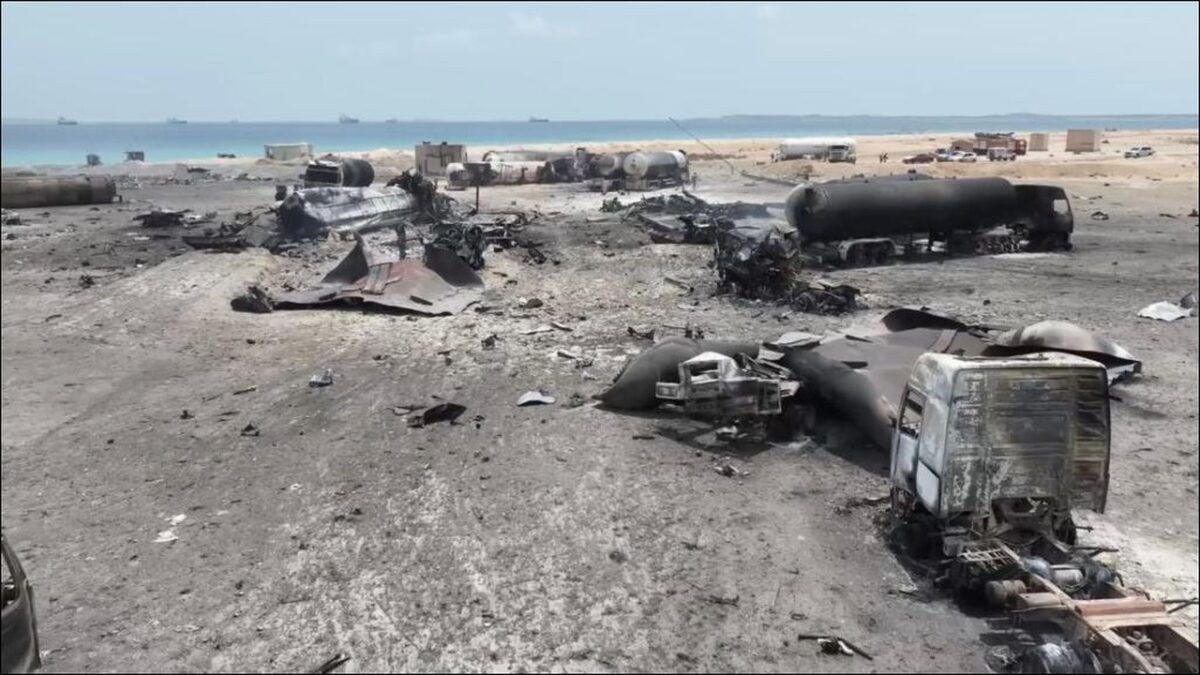
The recent actions by the Houthis, marking their entry into the broader regional conflict, have sent shockwaves across the Middle East and global maritime routes, coinciding with the strategic arrival of US troops. This development significantly escalates what was already a volatile geopolitical landscape, fundamentally altering the security calculus for international shipping and raising profound questions about regional stability. The Houthis’ involvement, particularly their targeting of vessels in crucial waterways, has introduced a new layer of complexity to an already delicate situation, drawing increased international scrutiny and military presence. As the United States bolsters its military footprint, the intricate web of alliances, rivalries, and economic interests in the Red Sea region becomes even more entangled, prompting a re-evaluation of security protocols and diplomatic approaches to de-escalate the burgeoning crisis.
Understanding the Houthi Escalation in the Red Sea
The Houthis, an armed political movement predominantly based in Yemen, have dramatically escalated their involvement in regional affairs by launching attacks against commercial shipping in the Red Sea. Their stated objective is to pressure the international community in response to ongoing conflicts elsewhere, specifically invoking solidarity with specific regional causes. These actions, primarily targeting vessels navigating the Bab el-Mandeb Strait—a narrow but vital chokepoint connecting the Red Sea to the Gulf of Aden and the Indian Ocean—have created significant disruption. The strait is a crucial artery for global trade, through which an estimated 12% of global trade and a substantial portion of the world’s oil and natural gas supplies transit annually. Their use of anti-ship missiles, drones, and even seize-and-board tactics against commercial ships has prompted major shipping companies to reroute vessels, adding thousands of miles and considerable expense to journeys, bypassing the Suez Canal entirely.
This maritime campaign by the Houthis represents a calculated risk, designed to exert influence far beyond Yemen’s borders and demonstrate their capacity to disrupt international commerce. The group’s motivations are deeply rooted in their ideological stance and their ongoing conflict within Yemen, but their external actions are clearly aimed at a wider geopolitical audience. The targeting of vessels, regardless of their flagged nation, has been indiscriminate enough to cause widespread alarm, impacting the flow of goods globally and raising insurance premiums for voyages through the region. This aggressive posture underscores a significant shift in the tactics and reach of non-state actors in maritime domains, presenting unprecedented challenges to traditional naval security doctrines and requiring a robust, multilateral response to safeguard global maritime security. The ripple effects of these Houthi maritime operations extend from increased shipping costs to potential delays in the delivery of essential goods, impacting economies worldwide.
The Strategic Arrival of US Troops and Naval Assets
In response to the escalating threats posed by the Houthis and the broader regional instability, the United States has strategically reinforced its military presence in the Middle East. The arrival of US troops, accompanied by a significant deployment of naval assets including aircraft carriers and destroyers, signals a clear intent to deter aggression, protect vital shipping lanes, and reassure regional allies. This enhanced military footprint is not merely a defensive measure but a robust demonstration of American commitment to maintaining freedom of navigation and ensuring the unimpeded flow of international commerce through critical waterways like the Red Sea and the Persian Gulf. The deployment aims to bolster existing defensive capabilities and provide a rapid response capacity against potential threats, including missile and drone attacks emanating from Houthi-controlled areas.
The presence of additional US forces serves multiple strategic objectives. Firstly, it provides a credible deterrent against further Houthi provocations, aiming to prevent the conflict from spiraling out of control and impacting a wider array of maritime assets. Secondly, these forces are crucial for surveillance and intelligence gathering, enhancing situational awareness in a complex operational environment. Thirdly, they are equipped to conduct defensive operations, protecting both commercial vessels and naval assets from attacks, as evidenced by recent interceptions of incoming projectiles. This strategic alignment of US troops and naval power is integral to the broader US policy of regional security, which seeks to counter malign influence and preserve stability amidst persistent tensions. The deployment underscores the critical role of military presence in safeguarding global economic interests and upholding the principles of international maritime law.
Geopolitical Ramifications and Regional Stability
The Houthis’ aggressive posture and the subsequent US military build-up are deeply intertwined with the broader geopolitical dynamics of the Middle East, particularly concerning the complex relationship between the United States and Iran. While the Houthis claim independent motivations, their actions are widely seen through the prism of proxy conflicts that characterize regional power struggles. This escalation raises serious concerns about the potential for wider conflict, drawing in more regional and international actors. The direct threat to global shipping lanes risks disrupting not only trade but also energy supplies, which could have far-reaching economic consequences and fuel inflationary pressures worldwide. The Houthis’ entry into the conflict challenges the status quo, forcing a re-evaluation of regional security architectures and potentially paving the way for new alliances or confrontations.
The involvement of the Houthis adds another layer of instability to an already fragile region, where numerous conflicts and rivalries simmer beneath the surface. It tests the resolve of international coalitions formed to ensure maritime security and highlights the vulnerability of global supply chains to localized conflicts. Regional allies of the United States, such as Saudi Arabia and the UAE, are acutely aware of the implications of such escalations, as their own economic interests and national security are directly affected. The concerted efforts required to counter the Houthi threat may foster greater cooperation among these nations, but they also expose existing fault lines and differing approaches to regional challenges. This delicate balance of power, constantly shifting with each new development, means that any miscalculation could have catastrophic consequences for peace and stability, making diplomatic engagement and de-escalation efforts paramount alongside military deterrence.
Economic Repercussions on Global Shipping and Trade
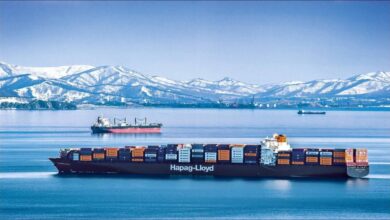
The immediate economic impact of the Houthi attacks on Red Sea shipping has been substantial and widespread, reverberating through global supply chains. One of the most significant consequences is the dramatic increase in insurance premiums for vessels traversing the high-risk zones, making transit through the Suez Canal prohibitively expensive for many carriers. This financial burden, coupled with the inherent security risks, has compelled major container shipping companies and tanker operators to reroute their vessels around the Cape of Good Hope, adding approximately 7-10 days to typical journey times between Asia and Europe. This longer route translates directly into higher fuel consumption, increased labor costs for crews, and reduced vessel availability, all of which contribute to rising freight rates for shippers and, ultimately, higher prices for consumers globally. The container shipping sector, in particular, faces immense pressure to absorb or pass on these additional costs, impacting the movement of everything from electronics to apparel.
Furthermore, these rerouting decisions disrupt finely tuned logistics networks and just-in-time inventory systems. Port schedules are thrown into disarray, leading to potential congestion at alternative ports and delays in goods reaching their final destinations. Industries reliant on timely delivery of components, such as automotive manufacturing or fast-moving consumer goods, face significant production bottlenecks and increased operational costs. The energy sector is also profoundly affected, as tanker traffic carrying crude oil and liquefied natural gas (LNG) from the Middle East to Europe and beyond must navigate these extended and more expensive routes, potentially impacting global energy prices and supply stability. The cumulative effect of these disruptions highlights the global economy’s vulnerability to geopolitical events in critical maritime chokepoints, underscoring the urgent need for robust maritime security measures and diplomatic solutions to safeguard international trade flows and prevent further economic destabilization.
Navigating the Future: Diplomacy vs. Military Intervention
The path forward in addressing the Houthi escalation and ensuring Red Sea maritime security is fraught with complexities, requiring a delicate balance between diplomatic initiatives and potential military intervention. While military responses, such as the US-led Operation Prosperity Guardian, have demonstrated effectiveness in intercepting Houthi drones and missiles, they represent a reactive measure rather than a fundamental solution to the underlying conflict. Sustained military presence and defensive actions can mitigate immediate threats, but they carry the risk of escalation, potentially broadening the scope of the conflict and entangling more actors. The long-term stability of the region hinges on addressing the root causes of the Houthi insurgency and the broader geopolitical tensions that fuel such proxy actions, demanding a comprehensive strategy that extends beyond naval patrols and defensive strikes.
Diplomatic efforts, though challenging, remain crucial for de-escalation and finding a sustainable resolution. This includes engaging with all relevant parties, including regional powers and international organizations, to negotiate ceasefires, establish humanitarian corridors, and work towards a political settlement in Yemen. However, the effectiveness of diplomacy is often hampered by deep-seated mistrust, conflicting interests, and the reluctance of various factions to compromise. The international community faces the arduous task of building consensus on how to best pressure the Houthis to cease their attacks on shipping while simultaneously pursuing a broader peace agenda. The interplay between international law, national interests, and the principles of freedom of navigation demands a nuanced approach, where targeted sanctions, economic incentives, and multilateral dialogues are explored alongside the necessary military measures to protect global maritime commerce. Ultimately, achieving lasting security in the Red Sea requires a strategic vision that integrates both kinetic and diplomatic tools to navigate this intricate geopolitical environment successfully.
The Houthis’ entry into the broader regional conflict, coupled with the strategic arrival of US troops, signifies a critical inflection point for Middle East stability and global maritime security. The disruptions to shipping, the heightened geopolitical tensions, and the economic repercussions underscore the urgent need for coordinated international action. As the world grapples with these complex challenges, the focus remains on de-escalating the conflict, safeguarding vital trade routes, and working towards a stable and secure future for a region pivotal to global prosperity. The coming months will be crucial in determining whether diplomatic solutions can prevail over escalating military confrontations, shaping the future of maritime trade and regional peace.