Houthi Missile Attack Fuels Red Sea Shipping Fears | Mariner News
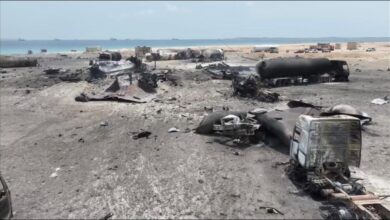
The recent Houthi missile attack on Israel has dramatically escalated Red Sea shipping fears, reigniting concerns over the safety and security of one of the world’s most critical maritime passages. This calculated strike by the Iranian-backed Houthi rebels in Yemen marks a concerning new phase in regional conflicts, directly threatening the vital Bab-el-Mandeb Strait and the broader Red Sea, crucial conduits for international commerce. The incident underscores the fragility of global supply chains and the immediate economic repercussions that ripple across continents when key maritime routes are jeopardized. This development not only raises the specter of increased shipping costs and delays but also forces a re-evaluation of security protocols for container shipping, tankers, and other cargo vessels navigating these strategic waters.
The Red Sea, serving as the gateway to the Suez Canal, is an indispensable artery for global trade, connecting Asian and European markets. Millions of barrels of oil and vast quantities of manufactured goods traverse this route daily, making its security paramount for the stability of the international economy. The Houthis, who control significant parts of Yemen, have demonstrated a capability and willingness to target shipping, leveraging their strategic coastal positions to disrupt global trade. Their alliance with Iran’s “Axis of Resistance” further complicates the geopolitical landscape, suggesting a coordinated effort to exert pressure through proxy actions. The immediate aftermath of the missile attack has already seen a surge in anxiety within the maritime industry, with shipping companies and insurers bracing for potential further disruptions.
The Strategic Vulnerability of Red Sea Shipping
Access to the Red Sea is controlled by the narrow Bab-el-Mandeb Strait, a chokepoint just 18 miles wide, making it highly susceptible to hostile actions. For years, the Houthis have posed a threat to navigation in this area, including attacks on commercial vessels and naval ships. Their increasing missile capabilities, reportedly supplied by Iran, allow them to extend their reach into key shipping lanes, threatening vessels bound for the Suez Canal and beyond. This geographic reality places an immense burden on maritime security forces and international coalitions striving to keep these waters open for unimpeded passage. Any sustained disruption here would necessitate lengthy and costly diversions around the Cape of Good Hope, adding weeks to transit times and significantly inflating operational expenses for container shipping and other cargo.
The economic implications of such diversions are profound. Longer routes mean higher fuel consumption, increased labor costs, and delayed deliveries for myriad goods, from consumer electronics to essential commodities. These added expenses invariably get passed down the supply chain, ultimately affecting consumer prices worldwide. The Red Sea shipping fears are not merely abstract; they translate into tangible financial burdens and potential inflationary pressures. Moreover, the threat elevates war risk insurance premiums, further eroding profit margins for shipping lines already operating on tight budgets. The vulnerability of this crucial sea lane highlights the delicate balance between geopolitical stability and the uninterrupted flow of international commerce.
Escalating Geopolitical Tensions and Regional Stability
The Houthi missile attack on Israel cannot be viewed in isolation; it is deeply embedded within the broader context of escalating geopolitical tensions across the Middle East. As a key component of Iran’s “Axis of Resistance,” the Houthis’ actions often reflect wider strategic objectives aimed at challenging regional rivals and asserting influence. Their involvement adds another volatile dimension to the already complex security situation, particularly as the conflict in the Middle East continues to evolve. The potential for these localized attacks to trigger a broader regional confrontation is a significant concern for international policymakers and maritime stakeholders alike.
Iran’s alleged backing of the Houthis, including providing missile technology and intelligence, solidifies fears that Tehran’s proxies may increasingly be leveraged to disrupt crucial shipping lanes. This strategy mirrors past concerns regarding the Strait of Hormuz, another critical chokepoint for oil transit. The deployment of advanced weaponry in the Red Sea region elevates the risk for all vessels, including tankers carrying vital energy supplies. Such actions undermine international efforts to maintain peace and stability, creating an unpredictable environment where miscalculations could have devastating consequences for global security and energy markets.
Economic Fallout: Supply Chain Disruptions and Costs
When Red Sea shipping routes face heightened threats, the economic ripple effects are immediate and far-reaching. The initial impact is felt in container shipping and bulk cargo markets, where operators must make difficult decisions about safety versus efficiency. Many vessels may opt to reroute, adding thousands of nautical miles to their journeys by circumnavigating the African continent. This extended voyage directly translates to increased fuel costs, which are substantial for large cargo ships. Furthermore, the longer transit times lead to delays in receiving goods, impacting manufacturing schedules, retail inventories, and overall market stability. The just-in-time delivery models that underpin modern global supply chains are particularly vulnerable to such disruptions.
The cost of insuring vessels operating in high-risk zones also skyrockets. War risk premiums, which cover damage from acts of war, terrorism, or piracy, can add hundreds of thousands of dollars to a single voyage. These additional expenses, combined with operational overheads, inevitably contribute to higher freight rates for all types of cargo, including oil and gas tankers, dry bulk carriers, and container vessels. For consumers, this could mean higher prices for imported goods, delayed product launches, and potentially even shortages. The intertwining nature of international trade means that a disruption in one key maritime passage can have a cascading effect on economies worldwide, demonstrating the fragility of our interconnected economic system.
Safeguarding Maritime Routes: Responses and Challenges
Addressing the escalating Red Sea shipping fears requires a multi-faceted approach involving international cooperation, enhanced naval presence, and robust diplomatic efforts. Naval forces from various countries, including the United States and European nations, frequently operate in the region to counter piracy and ensure freedom of navigation. However, countering missile threats from shore-based groups like the Houthis presents a unique and complex challenge. Effective protection requires sophisticated intelligence, surveillance, and reconnaissance capabilities, alongside rapid response mechanisms to neutralize threats before they impact commercial shipping. The sheer volume of traffic through the Bab-el-Mandeb and the vastness of the Red Sea make comprehensive security a formidable undertaking.
Shipping companies themselves are investing in advanced security measures, but these often come with significant costs and operational limitations. The international community must work collaboratively to de-escalate regional tensions and find diplomatic solutions to the conflicts that fuel such maritime aggression. Sanctions, diplomatic pressure, and multilateral dialogue are all critical tools in this effort. Without a concerted and sustained international response, the safety of global maritime routes will remain at risk, and the economic fallout from such disruptions will continue to be a significant concern for international commerce and stability. The challenge lies in balancing defensive measures with proactive diplomatic engagement to ensure long-term security.
Conclusion: A New Era of Maritime Risk
The Houthi missile attack on Israel serves as a stark reminder of the persistent and evolving threats to Red Sea shipping and, by extension, to the stability of global trade. The incident underscores how regional conflicts can quickly spill over into vital maritime routes, creating immediate economic instability and long-term supply chain vulnerabilities. As geopolitical tensions in the Middle East simmer, the risk of further disruptions to international commerce through strategic chokepoints remains alarmingly high. This new era of maritime risk demands sustained vigilance, robust security measures, and unwavering international cooperation to safeguard these indispensable pathways of trade. The world’s economies depend on the secure and unimpeded flow of goods through these critical sea lanes, making the resolution of Red Sea shipping fears a global imperative.