Horn of Africa Port Wars: Geopolitics & Maritime Strategy | Mariner News
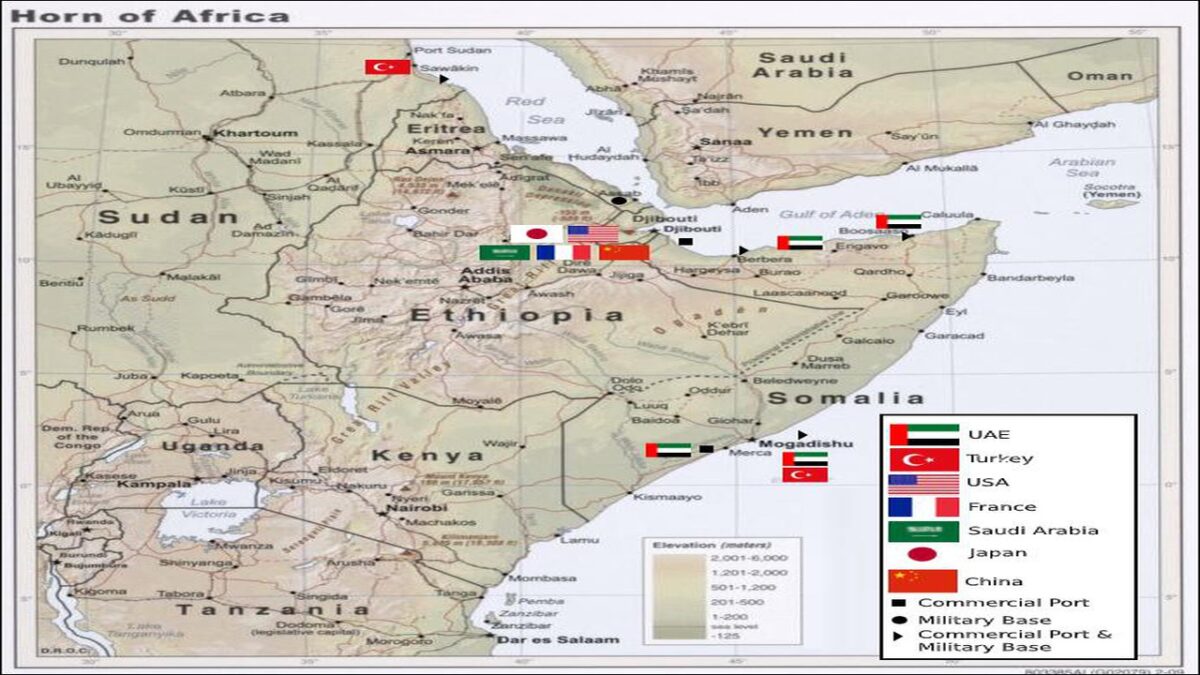
The Horn of Africa ports are at the heart of escalating geopolitical tensions, as recent reports reveal Egypt’s strategic intent to develop facilities in Djibouti and Eritrea. This move, particularly involving the Doraleh port in Djibouti and Assab in Eritrea, aims to bolster Egyptian naval presence and intensify pressure on Ethiopia amidst the long-standing Nile water dispute surrounding the Grand Ethiopian Renaissance Dam (GERD).
Egypt’s Maritime Strategy in the Red Sea
Egypt is reportedly assisting with upgrades at both the Assab and Doraleh ports. This strategic port development isn’t solely for hosting Egyptian naval vessels but also serves as leverage in its ongoing campaign concerning the GERD. The dam, now complete and filled, has long been a source of contention over Nile water flows crucial for Egypt’s agriculture and drinking water.
Ethiopia’s GERD and Regional Impact
Contrary to Egyptian fears, Ethiopia has maintained Nile water flows responsibly since the GERD’s early phases, even providing flood protection during heavy rains. The substantial water reserve behind the dam offers drought resilience and generates a surplus of hydroelectric power, poised to transform the region’s energy landscape, particularly in Sudan, doubling Ethiopia’s generating capacity by 2028.
These Horn of Africa port wars underscore a complex interplay of maritime security, infrastructure development, and water politics. The strategic moves by regional powers demonstrate the vital role of port access and control in shaping the Red Sea’s future and broader geopolitical stability. This evolving maritime landscape demands close observation.