Hong Kong’s First Green Methanol Bunkering Milestone | Mariner News
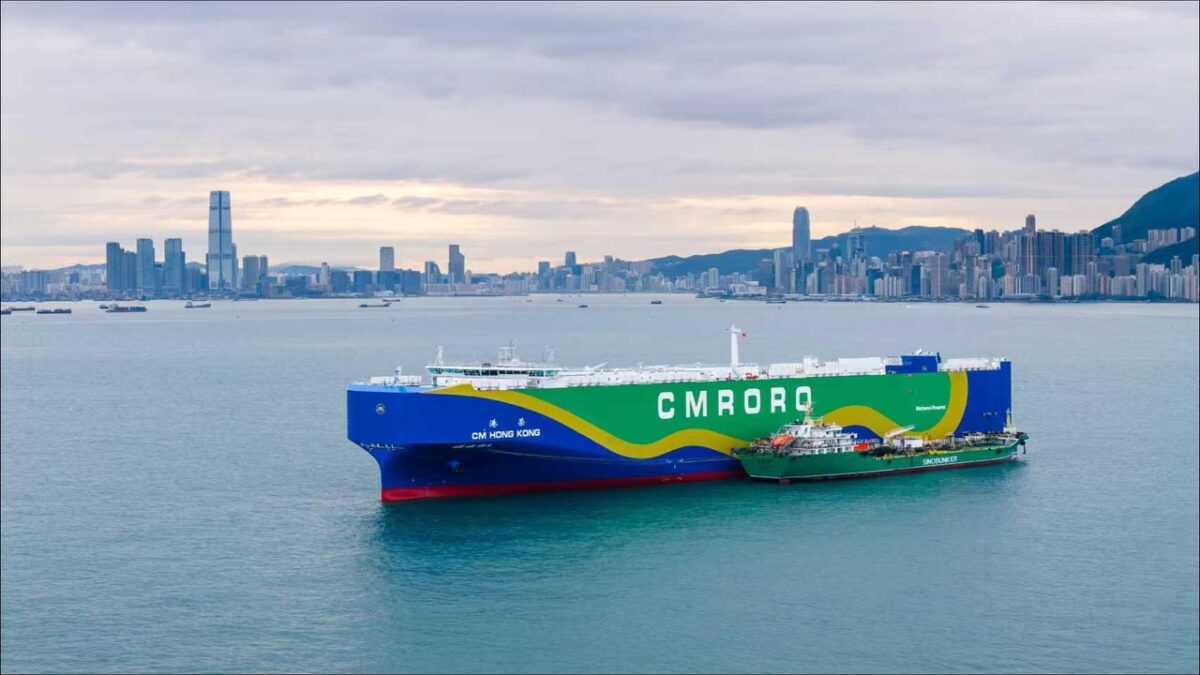
Hong Kong has officially cemented its position at the forefront of the global maritime sustainability movement by successfully completing its inaugural green methanol bunkering operation. This landmark event, involving a ship-to-ship transfer of 500 metric tons of green methanol to a Ro-Ro vessel, signals a significant stride in the maritime industry’s ambitious journey towards decarbonization. The success of this operation underscores Hong Kong’s commitment to fostering innovative solutions for cleaner shipping and its capability to support a complete value chain for alternative marine fuels.
The global push for sustainable shipping is accelerating, driven by stringent environmental regulations and a growing industry-wide awareness of climate change. As a vital international shipping hub, Hong Kong’s proactive engagement in pioneering green methanol bunkering technologies sets a powerful precedent. This initiative not only demonstrates the practicality of using eco-friendly marine fuel but also showcases the collaborative efforts required across producers, suppliers, vessel managers, and owners to achieve greener maritime operations. The future of the maritime industry hinges on such pioneering efforts, and Hong Kong is now a key player in shaping that future by embracing clean energy solutions for its bustling port activities.
A Deep Dive into Hong Kong’s Pioneering Green Methanol Bunkering Operation
Thursday marked a historic day for Hong Kong and the international maritime sector as the port facilitated its very first ship-to-ship bunkering of green methanol. The recipient of this cutting-edge marine fuel was the ‘CM Hong Kong,’ a Ro-Ro vessel capably managed by Wah Kwong Ship Management. A substantial 500 metric tons of sustainable marine fuel was transferred, illustrating the practical feasibility and growing scale of green methanol as a viable alternative for the global fleet. This operation wasn’t just a technical achievement; it was a powerful statement about Hong Kong’s readiness to support advanced decarbonization efforts.
Key industry players converged to make this milestone a reality. The green methanol itself was produced by CIMC ENRIC, a leader in energy equipment, ensuring the fuel met rigorous environmental standards. Supplying this crucial alternative fuel was Sinopec (Hong Kong) Petroleum Holding Company Limited, highlighting the increasing role of major energy companies in the green transition. The vessel, ‘CM Hong Kong,’ is owned by China Merchants Energy Shipping Co., Ltd., underscoring the commitment of major shipping lines to invest in cleaner operations. The actual delivery of the methanol stem was expertly handled by Sinopec China Marine’s dedicated methanol bunkering vessel, the ‘DA Qing 268,’ which played a pivotal role in ensuring a smooth and safe transfer. This entire ecosystem of collaboration, from production to bunkering and end-use, showcases Hong Kong’s robust infrastructure and expertise in supporting the future of marine fuel.
Wah Kwong Ship Management eloquently articulated the broader significance of this event, stating that “This milestone is a testament to Hong Kong’s capability for green methanol bunkering, supported by a complete value chain covering production, storage, transportation, bunkering and end use.” This integrated approach is crucial for scaling up the adoption of low-carbon fuels and reinforcing Hong Kong’s status as a leading maritime center committed to net-zero emissions. The success of this operation serves as a blueprint for other global ports looking to enhance their environmental credentials and contribute meaningfully to the shipping industry’s decarbonization goals.
The Strategic Advantages of Green Methanol in Maritime Decarbonization
Green methanol is rapidly emerging as a frontrunner among alternative fuels for the maritime industry, primarily due to its significant environmental benefits and practical advantages. Unlike traditional heavy fuel oil, green methanol — which can be produced from renewable sources like biomass (bio-methanol) or captured carbon dioxide and green hydrogen (e-methanol) — offers a pathway to drastically reduce greenhouse gas emissions. When combusted, it produces virtually no sulfur oxides (SOx) or particulate matter, and significantly lower nitrogen oxides (NOx) and carbon dioxide (CO2) compared to conventional marine fuels. This makes it an ideal choice for vessels aiming to meet stringent IMO 2020 regulations and future carbon reduction targets, pushing towards truly sustainable shipping.
Beyond its environmental credentials, green methanol offers practical benefits that accelerate its adoption. It is a liquid fuel at ambient temperatures and pressures, meaning it can be stored and handled relatively easily using existing bunkering infrastructure with only minor modifications. This contrasts with other clean energy options like LNG, which requires cryogenic temperatures, or ammonia and hydrogen, which present greater challenges in terms of toxicity, volumetric energy density, and storage. The relatively mature supply chain and handling procedures for methanol make it an attractive and readily implementable solution for ship owners looking to transition to low-carbon fuels without overhauling their entire operational model. Its versatility allows for a more seamless integration into the global maritime industry’s existing logistical framework.
Furthermore, the use of green methanol promotes a circular economy model. By utilizing renewable feedstocks or captured carbon, its production minimizes reliance on fossil fuels and contributes to a more sustainable energy ecosystem. This makes it a powerful tool in the arsenal against climate change, supporting the shipping industry’s decarbonization ambitions towards a net-zero future. As more research and development are invested in green methanol production technologies, its cost-competitiveness is also expected to improve, further solidifying its position as a key marine fuel for the green transition. This makes Hong Kong’s first green methanol bunkering not just an environmental win, but also a smart economic move for the long term.
Hong Kong’s Vision: A Global Hub for Sustainable Maritime Innovation
Hong Kong’s successful green methanol bunkering operation is not an isolated event; it represents a strategic move within a broader vision to establish the port as a global leader in sustainable maritime innovation. As one of the world’s busiest and most important shipping centers, Hong Kong has a significant role to play in driving the maritime industry’s decarbonization. This latest achievement signals to the international community that Hong Kong is not just a facilitator of global trade but also an innovator actively investing in clean energy solutions and cutting-edge marine fuel technologies. The commitment from various stakeholders, including government bodies, port authorities, and private enterprises, underscores a unified approach to achieving net-zero emissions in the region.
This proactive stance is expected to attract further investment and foster collaborations in green shipping technologies and infrastructure. By demonstrating capability in handling and supplying alternative fuels like green methanol, Hong Kong positions itself as an attractive destination for ship owners and operators committed to sustainable shipping. This could lead to a ‘green corridor’ effect, encouraging more vessels using low-carbon fuels to call at Hong Kong, further cementing its role as a strategic hub. The long-term economic benefits include new job creation in the green maritime sector, advancements in local technological expertise, and an enhanced international reputation for environmental stewardship. These developments are critical for securing Hong Kong’s future as a competitive and responsible global maritime industry player.
The regulatory landscape in Hong Kong is also evolving to support these decarbonization efforts. Government policies and incentives are crucial for encouraging the adoption of green marine fuel and the necessary infrastructure development. By providing a stable and supportive environment for green methanol bunkering and other alternative fuel initiatives, Hong Kong can accelerate the transition to sustainable shipping not only within its own waters but also across the wider Asia-Pacific region. This comprehensive approach, combining infrastructure, policy, and industry collaboration, sets a compelling example for how major ports can effectively lead the green transition in the maritime industry.
Challenges and the Path Forward for Green Methanol Adoption
While the success of green methanol bunkering in Hong Kong marks a significant leap, the journey toward widespread adoption of green marine fuel across the maritime industry faces several challenges that need strategic solutions. One primary concern is the scalability of green methanol production. The availability of sustainable feedstocks, such as biomass or renewable electricity for hydrogen production and carbon capture, is crucial. Scaling up production to meet the vast demand of the global shipping fleet requires substantial investments in renewable energy infrastructure and advanced conversion technologies. Ensuring a consistent, affordable, and global supply of green methanol is paramount for its long-term viability as a dominant alternative fuel.
Another significant hurdle is the cost competitiveness of green methanol compared to conventional fossil fuels. Currently, green methanol can be more expensive to produce. Government subsidies, carbon pricing mechanisms, and technological advancements are necessary to bridge this price gap and make sustainable shipping more economically attractive for ship owners. Collaborative efforts across the value chain, from producers to end-users, are essential to drive down costs through economies of scale and innovation. Furthermore, the development of a robust global bunkering infrastructure is vital. While Hong Kong has demonstrated its capability, a worldwide network of bunkering facilities is required to support vessels operating on green methanol on international routes. This involves significant capital expenditure and coordinated international efforts to standardize bunkering procedures and safety protocols for clean energy fuels.
Regulatory frameworks and international standards also play a critical role in accelerating the adoption of green methanol. Clear and consistent regulations from bodies like the IMO are necessary to provide certainty for investment and operational planning. These regulations should encompass everything from fuel quality and safety standards to emissions accounting and reporting. Despite these challenges, the trajectory for green methanol as a key marine fuel remains promising. Continued research and development, supportive policies, and increasing industry commitment to decarbonization efforts will undoubtedly pave the way for its broader integration into the maritime industry. Hong Kong’s pioneering role serves as an inspiration, demonstrating that with strategic planning and collaboration, the vision of net-zero emissions in shipping is within reach.
The Broader Impact: Catalyzing Global Maritime Decarbonization
Hong Kong’s trailblazing green methanol bunkering operation sends a powerful signal far beyond its territorial waters, effectively catalyzing decarbonization efforts across the entire global maritime industry. This milestone instills confidence in green methanol as a viable alternative fuel, influencing other major ports and shipping lines to accelerate their own transitions to sustainable shipping. When a prominent shipping hub like Hong Kong successfully implements such an advanced operation, it validates the technology and encourages further investment in clean energy solutions worldwide. Ship owners and operators, facing mounting pressure to meet environmental targets, now have a tangible example of operational success that can inform their future fleet renewal and fuel strategy decisions.
This shift towards green marine fuel also has a ripple effect on the broader supply chain and logistics sector. As more vessels adopt low-carbon fuels, there will be an increasing demand for sustainable logistics, pushing freight forwarders and cargo owners to prioritize carriers committed to net-zero emissions. This can lead to a virtuous cycle where market demand for sustainable shipping services drives further innovation and adoption of green methanol and other alternative fuels. Investors are also closely watching these developments, with capital increasingly flowing towards companies and projects demonstrating a strong commitment to environmental, social, and governance (ESG) principles, making green maritime initiatives more attractive for financing.
Furthermore, the success in Hong Kong will undoubtedly foster greater international collaboration and partnerships within the maritime industry. The complexities of transitioning to clean energy fuels require shared knowledge, joint ventures in research and development, and harmonized international standards. This event serves as a call to action for stakeholders across the globe to work together, sharing best practices and overcoming common challenges in the pursuit of decarbonization. By proving the commercial and operational viability of green methanol bunkering, Hong Kong is not just cleaning up its own port; it is playing a crucial role in inspiring and accelerating the global green transition for the entire shipping industry. The collective momentum generated by such pioneering achievements is essential for navigating the complex path toward a truly sustainable and net-zero maritime industry.