Höegh Autoliners Chief Leads Norwegian Shipowners | Mariner News
Andreas Waage Enger, the esteemed chief executive of Höegh Autoliners, has officially taken the helm as the new president of the Norwegian Shipowner’s Association (NRF). This pivotal leadership transition for the Norwegian Shipowner’s Association comes at a critical juncture for the global shipping industry, marked by persistent geopolitical tensions, economic volatility, and the overarching demands of decarbonization. Enger’s appointment is seen as a strategic move to guide Norwegian maritime interests through these complex waters, leveraging his extensive experience from a leading car carrier company. His succession of Odfjell’s Harald Fotland signals a new era for Norwegian maritime leadership, with a renewed focus on advocacy, sustainability, and competitive growth within the maritime sector. The association, a venerable institution representing a diverse fleet from tankers and bulk carriers to container ships and specialized vessels, plays a crucial role in shaping policy and fostering collaboration among its members, all dedicated to the future of Norwegian shipping.
A New Era of Maritime Leadership for Norwegian Shipowners
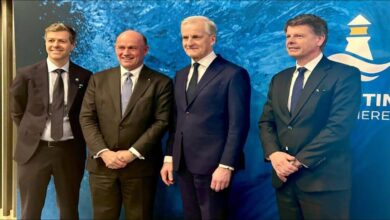
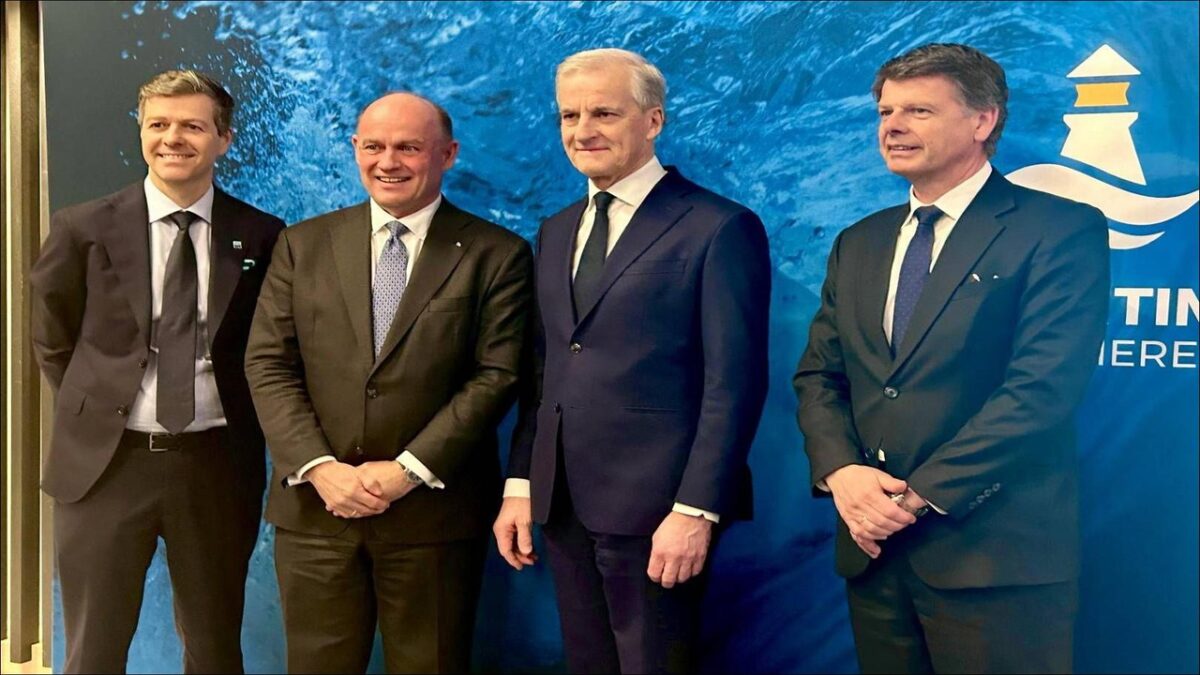
Andreas Waage Enger brings a wealth of knowledge and a pragmatic approach forged during his tenure at Höegh Autoliners, a prominent player in the global car carrier market. His leadership has been instrumental in navigating the company through market fluctuations and strategic expansions, skills that will undoubtedly benefit the broader Norwegian Shipowner’s Association. Enger officially assumed his new responsibilities at the closing of the NRF’s annual conference on March 17, following a symbolic handover that saw him pictured alongside outgoing president Harald Fotland, NRF’s chief executive Knut Arild Hareide, and Norwegian Prime Minister Jonas Gahr Støre. This public endorsement underscores the significance of the NRF’s role in the national economy and its close ties with governmental stakeholders. Enger’s vision for the association is expected to prioritize robust advocacy for Norwegian maritime interests on both national and international stages, addressing key challenges and seizing opportunities for growth. His appointment is eagerly anticipated by Norwegian shipowners and the wider maritime community who are keen to see how his leadership will shape the future direction of this vital industry.
Enger’s background with a specialized shipping segment like car carriers offers a unique perspective. He understands the intricacies of logistics, the demands of international trade, and the pressures of environmental compliance that affect all facets of the shipping industry. This experience will be invaluable as the Norwegian Shipowner’s Association continues its work to strengthen Norway’s position as a leading maritime nation. The transition of leadership is more than just a change of guard; it represents an evolution in how the association will confront the future, ensuring that the voice of Norwegian shipping remains strong and clear. The challenges are numerous, but so too are the opportunities for innovation and sustainable development under Enger’s guidance. Members of the association are looking forward to a period of proactive engagement and strategic development under their new president.
Navigating Global Challenges and Market Dynamics
The global landscape for shipping is increasingly complex, characterized by ongoing supply chain disruptions, heightened geopolitical tensions, and the urgent need for climate action. As the new head of the Norwegian Shipowner’s Association, Andreas Waage Enger will face the formidable task of guiding Norwegian shipowners through these intricate market dynamics. Events such as the conflict in Ukraine, unrest in the Middle East, and evolving trade patterns have all contributed to an environment of uncertainty, directly impacting shipping routes, fuel prices, and operational costs for the maritime sector. The association’s role in providing strategic guidance, sharing critical market intelligence, and advocating for supportive regulatory frameworks has never been more vital. Enger’s leadership will be crucial in formulating collective responses to these external pressures, ensuring the resilience and adaptability of Norwegian shipping companies.
One of the most pressing challenges is the industry’s drive towards decarbonization. The shipping industry is under immense pressure to reduce its environmental footprint, necessitating significant investments in new technologies, alternative fuels, and more efficient operational practices. Enger, with his experience in managing a large fleet, will be well-placed to champion sustainable solutions and ensure that Norwegian shipowners remain at the forefront of green maritime innovation. The association will likely intensify its lobbying efforts for robust research and development funding, as well as for pragmatic and globally harmonized environmental regulations that support rather than hinder the industry’s transition. Furthermore, the association will need to address issues related to crew welfare and training, ensuring that the maritime workforce is equipped to meet the demands of a rapidly evolving industry. Balancing economic viability with environmental responsibility will be a key focus for Enger and the NRF.
Priorities for Norwegian Shipping under New Leadership
Under Andreas Waage Enger’s stewardship, the Norwegian Shipowner’s Association is expected to champion several key priorities aimed at enhancing the competitiveness and sustainability of Norwegian shipping. A primary focus will undoubtedly be on promoting and strengthening the Norwegian flag, a point that former president Harald Fotland frequently emphasized as numbers of Norwegian-flagged ships have declined. Reversing this trend and encouraging Norwegian shipowners to register their vessels under the national flag will be crucial for maintaining Norway’s maritime identity and influence. This involves ensuring a competitive framework of taxes, fees, and crew policies that make the Norwegian flag an attractive option globally. The association will also advocate for policies that support tonnage tax schemes and other financial incentives to retain and attract shipping investments within Norway.
Another significant area of focus will be technological innovation and digitalization. The shipping industry is ripe for transformation through advanced analytics, automation, and smart vessel technologies. Enger’s leadership will likely push for greater adoption of these innovations, positioning Norwegian shipping as a leader in digital maritime solutions. This includes exploring the potential of autonomous vessels, optimizing logistics chains through AI, and enhancing cybersecurity measures across the fleet. Moreover, human capital development remains a top priority. Ensuring a steady supply of highly skilled seafarers, engineers, and maritime professionals will be essential for the industry’s future. The Norwegian Shipowner’s Association will work closely with educational institutions and training centers to develop programs that meet the evolving needs of the maritime sector, preparing the next generation for roles in a sophisticated and technologically advanced global industry. Enger will also need to engage effectively with international bodies to ensure Norwegian interests are well-represented in global maritime governance.
The Importance of Maritime Collaboration and Advocacy
The strength of the Norwegian Shipowner’s Association lies in its ability to foster robust collaboration among its diverse members and to serve as a powerful advocate for their collective interests. Under Andreas Waage Enger, this commitment to collaboration and advocacy is set to deepen. The association plays a pivotal role in lobbying government bodies, both domestically and internationally, to create an enabling environment for Norwegian shipping to thrive. This includes influencing policies related to trade agreements, environmental regulations, maritime safety, and labor laws. In a world where national interests often intersect with global challenges, the NRF’s voice is essential in shaping international maritime policy and ensuring a level playing field for Norwegian shipowners.
Enger’s experience in a globally operating company like Höegh Autoliners provides him with an intimate understanding of the complexities of international trade and the necessity of cross-border cooperation. He will likely emphasize building stronger alliances with other national and international maritime organizations, sharing best practices, and presenting a united front on issues of common concern, such as piracy, sanctions compliance, and the development of global standards for new technologies. The goal is to ensure that Norway’s maritime sector continues to be recognized for its quality, innovation, and commitment to sustainable practices. Effective advocacy requires not only strong relationships but also a clear, compelling narrative about the value and strategic importance of the shipping industry to the national economy and global trade. The association will continue to highlight the economic contributions, job creation, and strategic significance of a robust Norwegian merchant fleet.
Looking Ahead: The Future of Norwegian Maritime Sector
As Andreas Waage Enger embarks on his tenure as president of the Norwegian Shipowner’s Association, the future of the Norwegian maritime sector appears poised for both challenges and opportunities. His leadership comes at a time when the industry is undergoing profound transformations, driven by technological advancements, environmental imperatives, and shifting geopolitical landscapes. Enger’s strategic vision, coupled with the collective expertise of the association’s members, will be instrumental in navigating these changes and securing Norway’s continued prominence in global shipping. The focus will be on ensuring that Norwegian shipowners remain competitive, innovative, and sustainable in an ever-evolving market. The association will strive to anticipate future trends, from the adoption of hydrogen and ammonia as marine fuels to the development of fully autonomous cargo operations, positioning Norway at the forefront of these developments. Enger’s legacy will likely be defined by his ability to unite the diverse interests within the association and steer them towards common goals that benefit the entire maritime community.
The long-term health and growth of Norwegian shipping depend on its ability to adapt, innovate, and advocate effectively on the global stage. The Norwegian Shipowner’s Association, under Enger’s guidance, will be a critical force in this endeavor, promoting policies that foster innovation, attract investment, and maintain high standards of safety and environmental performance. The resilience of the shipping industry has been proven time and again, and with strong leadership, Norwegian shipowners are well-positioned to continue their vital role in facilitating global trade and contributing significantly to the Norwegian economy. The maritime world watches with interest as Enger takes the helm, ready to lead the Norwegian maritime sector into a dynamic and promising future.