

HEA Energy to Acquire Subsea7 Heavy Transport Fleet
HEA Energy expands into global offshore wind logistics with the acquisition of Subsea7’s six-vessel heavy transport fleet.
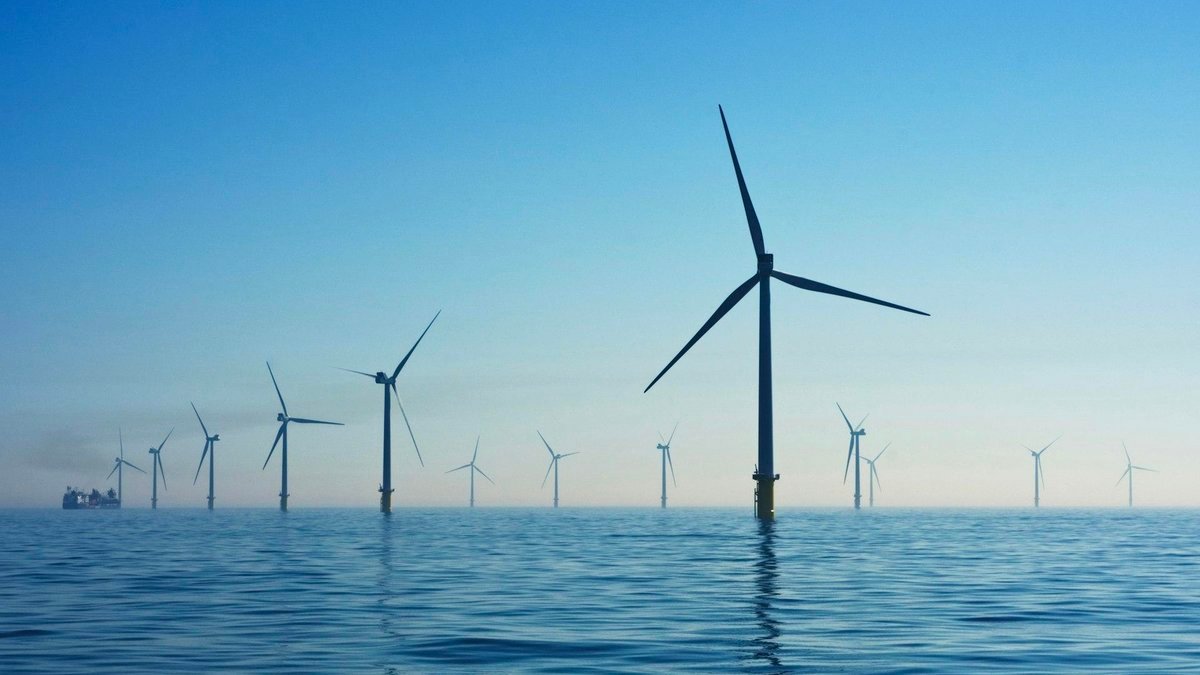
Abu Dhabi-based HEA Energy has reached an agreement to acquire the heavy transportation business of Subsea7, a strategic move that significantly expands the Middle Eastern firm’s footprint in the global offshore wind and energy infrastructure sectors.
The transaction involves the divestment of Seaway7’s heavy transport arm, comprising five owned semi-submersible vessels—Seaway Eagle, Seaway Falcon, Seaway Hawk, Seaway Osprey, and Seaway Albatross—alongside the chartered Seaway Swan. These open-deck vessels are specialized for the transport of offshore wind foundations, substations, and jackup rigs, with a maximum lifting capacity of 55,000 tonnes.
Strategic Divestment and the Saipem Merger
The sale is a structured requirement under the merger agreement between Subsea7 and Saipem, which aims to create a combined offshore engineering powerhouse with annual revenues of approximately €21 billion. The divestment will trigger a €105 million special dividend to Subsea7 shareholders, reflecting the immediate capital return strategy associated with the consolidation.
While financial terms for the HEA Energy deal were not disclosed, the transaction is subject to regulatory approvals and is not expected to reach final completion until the first half of 2027. This extended timeline suggests a phased transition of operations as the broader Saipem7 merger navigates complex regulatory scrutiny in Europe and Australia.
HEA Energy’s Global Pivot
For HEA Energy, the acquisition marks a pivot from regional offshore support to becoming a global logistics provider for the renewables sector. Established in 2022 by Hassan Elali—the founder of Zakher Marine International—HEA has aggressively built a fleet that already includes 19 delivered vessels and 12 more under construction through 2027.
The acquisition of the Seaway7 fleet provides HEA with immediate high-end capability in the European offshore wind market, where it has already begun mobilizing jackup vessels for North Sea maintenance campaigns. By securing these heavy transport assets, HEA is positioning itself to control a critical segment of the offshore wind supply chain: the movement of oversized components from fabrication yards to installation sites.
The move comes as the heavy-lift sector faces tightening capacity. As offshore wind projects grow in scale, the demand for specialized semi-submersible tonnage capable of carrying massive foundations and substations is increasing. HEA’s entry into this niche suggests a bet on the long-term undersupply of heavy transport vessels as traditional oil and gas contractors like Subsea7 and Saipem focus more narrowly on installation and EPCI contracts.
The broader merger between Subsea7 and Saipem continues to progress, having recently received conditional clearance from Brazil’s competition watchdog. That approval was contingent on the separate sale of the Seven Borealis pipelay vessel, further illustrating the significant asset reshuffling required to finalize the Saipem7 combination.
Source: Splash247