Hapag-Lloyd Warns: 2026 Deficit Risk Amid Uncertainty | Mariner News
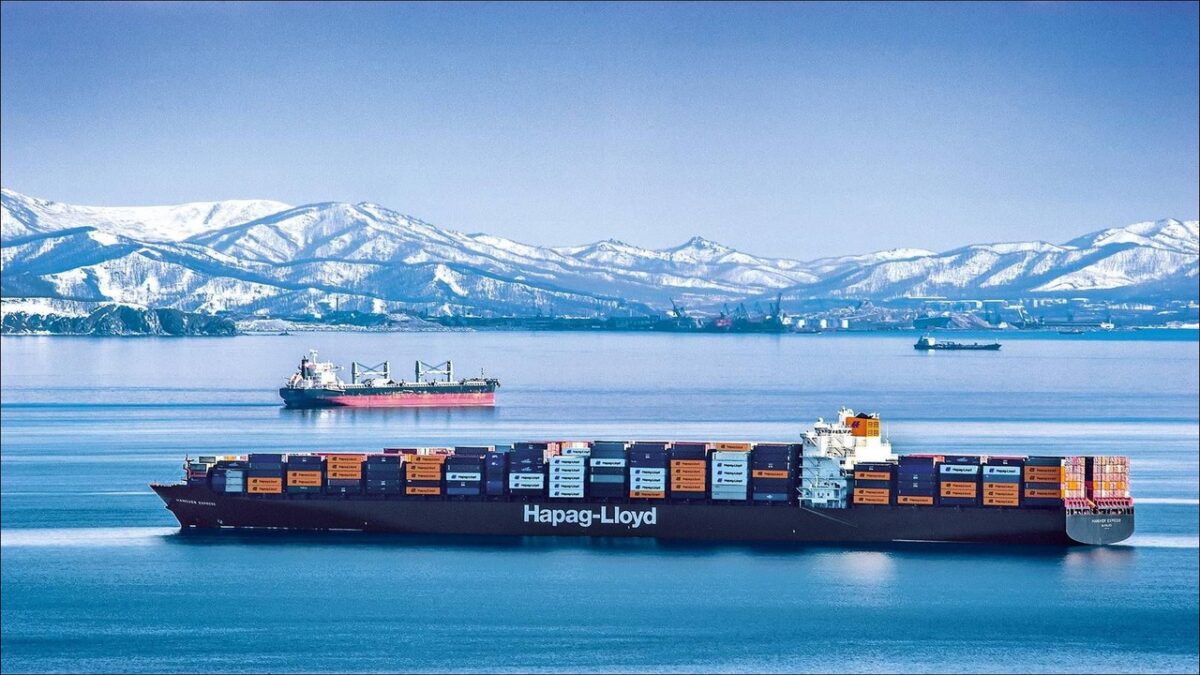
The global maritime industry is often a barometer for the health of international trade, and recent pronouncements from major players like Hapag-Lloyd offer crucial insights into the evolving economic landscape. Hapag-Lloyd, one of the world’s leading container shipping lines, has issued a significant warning, pointing to the risk of a deficit in 2026. This stark financial forecast comes at a time when the entire sector is grappling with unprecedented levels of uncertainty, driven by a confluence of economic headwinds, geopolitical tensions, and structural shifts within the shipping market.
This projection by Hapag-Lloyd underscores the volatile nature of global logistics and the complex challenges facing carriers as they navigate a post-pandemic world. The potential for a Hapag-Lloyd deficit in 2026 signals a period of cautious optimism, if not outright concern, for stakeholders across the entire supply chain. Understanding the factors contributing to this pessimistic outlook is vital for anyone invested in or impacted by the future of global trade and container shipping dynamics.
Unpacking Hapag-Lloyd’s 2026 Deficit Warning
Hapag-Lloyd’s cautious stance regarding a potential deficit in 2026 is rooted in a detailed analysis of prevailing market conditions and future projections. The company’s leadership has highlighted several critical factors that could converge to create a challenging financial environment. Primarily, these concerns revolve around the persistent issue of overcapacity in the global fleet, coupled with unpredictable demand fluctuations. The surge in new vessel deliveries, a direct response to the lucrative freight rates seen during the peak of the pandemic, is now creating a supply-demand imbalance. This imbalance exerts downward pressure on freight rates, directly impacting profitability.
Furthermore, geopolitical instability, such as the ongoing disruptions in key shipping lanes like the Red Sea, continues to introduce operational complexities and cost escalations. While these immediate crises might temporarily boost spot rates due to longer transit times, they also add to the overall unpredictability of the market, making long-term financial planning exceedingly difficult. The cumulative effect of these challenges suggests that even well-established carriers like Hapag-Lloyd could face significant headwinds in the coming years, potentially leading to a financial shortfall.
The Broader Landscape of Container Shipping Uncertainty
The challenges articulated by Hapag-Lloyd are not isolated incidents but rather reflective of broader trends affecting the entire container shipping industry. The global container shipping market is inherently cyclical, characterized by periods of boom and bust. We are currently observing a transition from the boom period – fueled by consumer demand spikes and supply chain bottlenecks during COVID-19 – to a more normalized, and potentially challenging, phase. Economic deceleration in major consumer markets, including Europe and North America, directly translates into reduced demand for manufactured goods, thereby lowering shipping volumes.
Compounding this is the significant influx of new tonnage. Shipbuilding orders placed during the pandemic are now materializing, with an unprecedented number of mega-vessels entering service. This expansion of vessel capacity, in an environment of weakening global trade growth, intensifies competition and drives down pricing power for carriers. The industry is effectively battling a structural oversupply problem, which is a key driver behind the projected shipping uncertainty for 2026 and beyond. This scenario requires strategic adjustments from all players to maintain solvency and operational efficiency.
Key Factors Driving Volatility in Maritime Logistics
Beyond overcapacity and demand shifts, several other interconnected factors contribute to the volatility gripping maritime logistics. Fuel prices, for instance, remain a significant operational cost, influenced by global energy markets and geopolitical events. While bunker prices have fluctuated, any upward trend can quickly erode profit margins, especially when freight rates are depressed. Environmental regulations, such as the IMO’s Carbon Intensity Indicator (CII) and the EU Emissions Trading System (ETS) for shipping, are also adding new layers of complexity and cost. Carriers must invest in greener technologies, cleaner fuels, or slow steaming to comply, all of which have financial implications.
Labor relations and port congestion also play a role. Strikes or operational inefficiencies at major ports can create ripple effects across the global supply chain, causing delays and increasing operational costs for shipping lines. Moreover, the rapid evolution of digital technologies is both an opportunity and a challenge. While digitalization offers pathways to greater efficiency and transparency, the investment required and the continuous need to adapt to new platforms can be substantial. Navigating these multifaceted challenges requires robust risk management and agile operational strategies from leading players like Hapag-Lloyd.
Strategies for Navigating a Challenging Market
In the face of potential shipping uncertainty and the risk of a Hapag-Lloyd deficit in 2026, shipping lines are compelled to adopt proactive strategies to safeguard their financial health and maintain market relevance. Capacity management is paramount; this includes idling older vessels, postponing new deliveries, or even scrapping surplus tonnage to alleviate oversupply pressures. Operational efficiency improvements, such as optimizing vessel routes, improving port turnaround times, and leveraging data analytics for better fleet management, become critical.
Diversification of services and geographical focus can also help mitigate risks. While container shipping remains core, exploring opportunities in logistics services, intermodal transport, or niche markets can provide additional revenue streams. Furthermore, a strong emphasis on customer relationships and service reliability can help retain clients in a highly competitive environment. Collaborations and alliances, like those seen in the past, may also re-emerge as a mechanism for carriers to share risks and optimize networks, although regulatory scrutiny remains a factor. The industry’s ability to adapt and innovate will be crucial in weathering this forecasted downturn.
Long-Term Outlook and Industry Resilience
Despite the immediate concerns and the specific warning from Hapag-Lloyd regarding 2026, the long-term outlook for the container shipping sector is not entirely bleak. Global trade, though experiencing fluctuations, is fundamentally necessary for modern economies. As populations grow and developing nations integrate further into the global economy, the demand for goods transport will eventually recover and expand. The industry has historically demonstrated remarkable resilience, navigating various crises from oil shocks to financial recessions.
Innovation in vessel design, propulsion systems, and digital integration continues to promise a more efficient and sustainable future for maritime transport. Investments in green shipping technologies, while costly in the short term, are essential for long-term competitiveness and compliance. The cyclical nature of the industry suggests that periods of oversupply and depressed rates eventually give way to market rebalancing. However, carriers must be prepared for a potentially extended period of leaner margins and heightened competition. The ability to manage costs, optimize fleets, and adapt to evolving market demands will differentiate the strong performers from those that struggle in the coming years, particularly as we approach the forecasted challenging conditions of 2026.
In conclusion, Hapag-Lloyd’s warning about a potential deficit in 2026 serves as a significant bellwether for the global container shipping industry. It underscores the profound impact of overcapacity, economic slowdowns, and geopolitical instability on maritime logistics. While the immediate future presents considerable shipping uncertainty, the sector’s inherent resilience, coupled with strategic adaptations and technological advancements, offers hope for eventual recovery. Stakeholders across the supply chain must remain vigilant, adapting their strategies to navigate these turbulent waters and ensure the continued flow of global trade.