

Hapag-Lloyd to scrap current fuel surcharge for efficiency-linked model

Hapag-Lloyd will replace its fuel surcharge on Jan 1 with a new model based on vessel size and efficiency, altering cost structures for shippers.
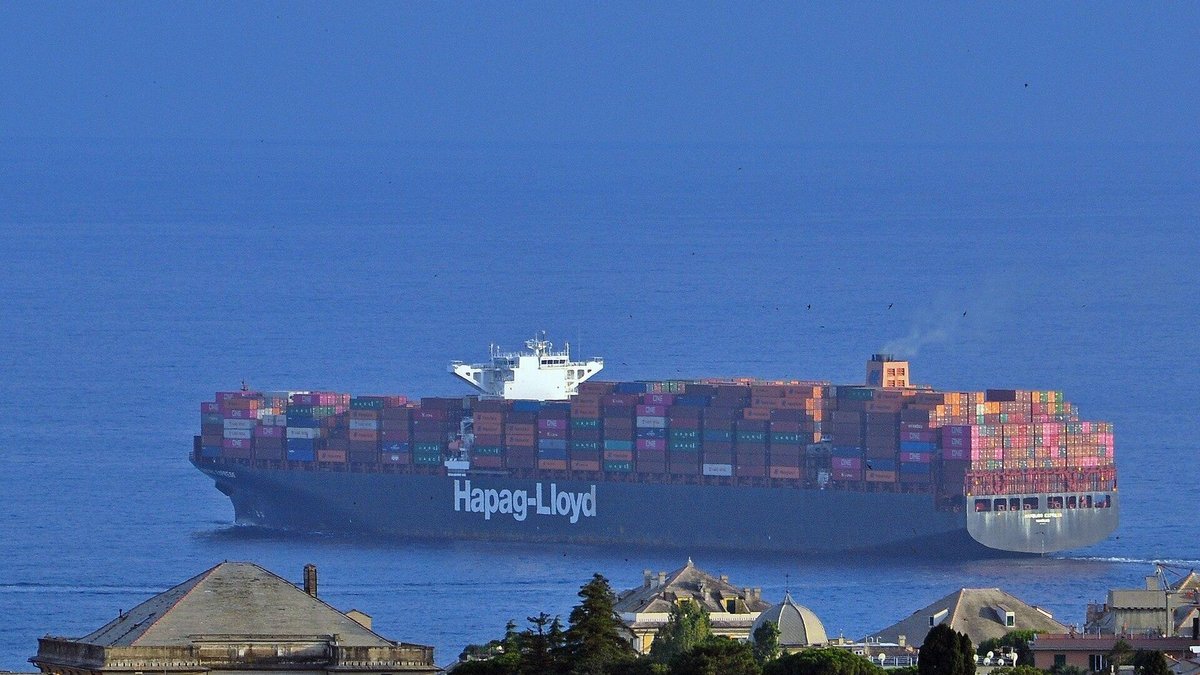
Hapag-Lloyd will retire its existing fuel surcharge on Jan. 1, replacing it with a new mechanism that links costs directly to vessel size and fuel efficiency. This shift moves the German carrier toward a more granular pricing model where the technical performance of the fleet dictates the bill for the cargo owner.
The Hamburg-based container line confirmed the current surcharge ends on the first day of the new year. The replacement formula will incorporate vessel sizes and fuel efficiency alongside other factors to reflect modern shipping operations.
Why it matters
For shippers and charterers, the era of a generic fuel buffer is ending. By factoring in vessel size and efficiency, Hapag-Lloyd is passing the cost benefits of its newer, larger ships—or the penalties of its older ones—directly to the customer. This makes the specific vessel assigned to a service a critical variable in the total cost of transport.
The move points to a strategy of precision cost recovery. If a vessel is less efficient, the shipper pays for that lack of performance. This creates a financial incentive for the carrier to deploy its most modern tonnage on high-volume routes to keep surcharges competitive against rivals with younger fleets.
This overhaul also suggests a push for more defensible invoicing. Tying fees to tangible ship specifications like size and efficiency moves away from opaque pricing and toward a model where the physical reality of the voyage determines the final price. Shippers must now account for fleet composition when projecting their 2025 logistics spend.
What to watch
The next concrete data point is the release of the specific formula and the other factors Hapag-Lloyd will use to calculate the new rate before the Jan. 1 deadline.
Source: ShippingWatch