Hapag-Lloyd & DSV Cut Emissions with Biofuels Deal | Mariner News
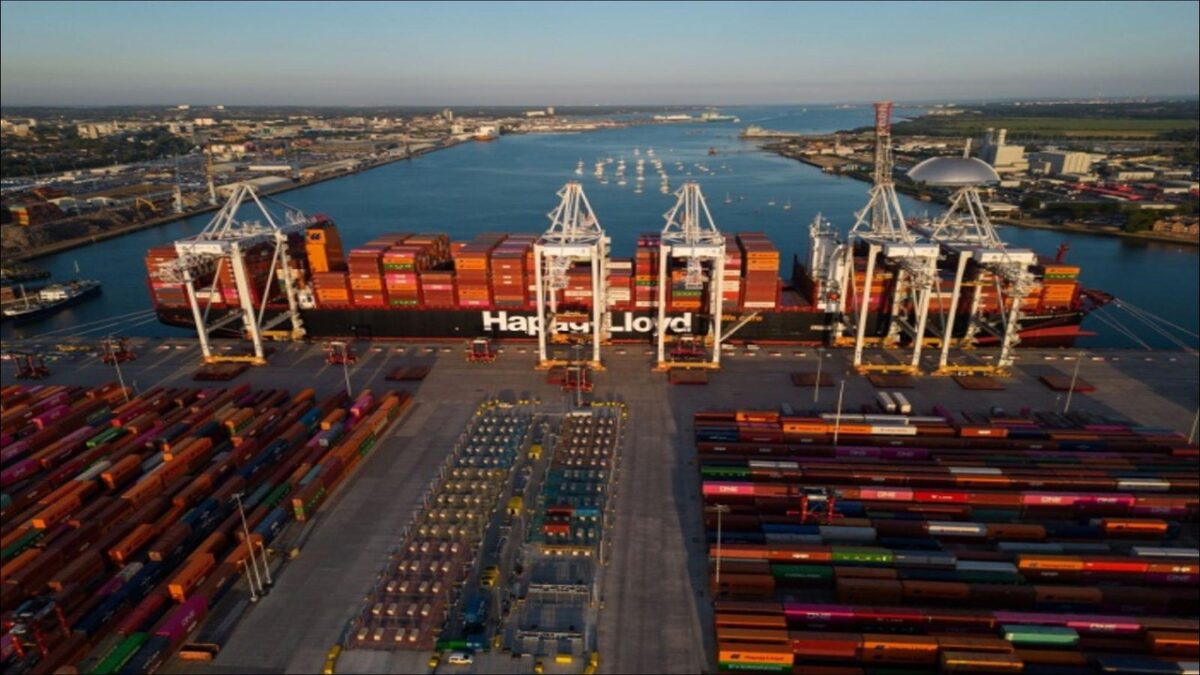
In a significant stride towards maritime decarbonization, leading container shipping firm Hapag-Lloyd and global logistics giant DSV have formalized a groundbreaking two-year agreement. This pivotal partnership is designed to dramatically cut Scope 3 emissions across their extensive supply chains through the strategic adoption of advanced biofuels. The collaborative effort, building on a relationship initiated in 2022, sets an ambitious target: to achieve an 18,000 tonne reduction in CO2 equivalent (CO2e) emissions, commencing in 2026. This initiative highlights a growing trend within the shipping and logistics sectors to embrace sustainable marine fuels and actively mitigate their environmental footprint, setting a benchmark for future industry-wide climate action. The agreement underscores a shared commitment to environmental stewardship and positions both companies at the forefront of the green transition within global trade. It represents a tangible step in the ongoing journey toward a more sustainable and less carbon-intensive future for maritime transport.
The Landmark Biofuel Agreement: Driving Emissions Reduction
The core of this pioneering collaboration lies in the innovative use of sustainable marine fuels, specifically second-generation biofuels derived from waste and residue feedstocks. These advanced biofuels offer a significant reduction in greenhouse gas emissions compared to traditional fossil fuels, making them a crucial tool in the decarbonization toolkit. Hapag-Lloyd will consume these sustainable fuels across its extensive fleet network, thereby reducing its overall operational emissions. The genius of the agreement, however, lies in its ‘book-and-claim’ mechanism. This system allows DSV and its clients to claim the verified emissions reductions generated by Hapag-Lloyd’s use of these fuels, regardless of whether those specific vessels are transporting DSV cargo.
This book-and-claim approach is a critical enabler for wider adoption of sustainable fuels. It effectively decouples the physical fuel consumption from the emission reduction benefit, making it easier for logistics providers like DSV to invest in green solutions without direct control over the shipping vessels. The emissions savings are calculated on a transparent well-to-wake basis, providing a comprehensive assessment of the fuel’s lifecycle impact, from production to combustion. This contractual transfer of emission reductions empowers companies across the supply chain to actively contribute to and benefit from the transition to lower-carbon shipping, fostering a more collaborative ecosystem for environmental responsibility. The agreement also thoughtfully includes provisions to integrate other sustainable fuel types as they become commercially viable and scalable, demonstrating a flexible and forward-looking strategy for long-term decarbonization.
Decarbonizing Global Supply Chains: A Strategic Imperative
The shipping industry, often considered a hard-to-abate sector, faces increasing pressure from regulators, investors, and customers to reduce its substantial carbon footprint. For companies like DSV, Scope 3 emissions – indirect emissions that occur in a company’s value chain, including transportation and distribution – represent a significant portion of their total environmental impact. Addressing these emissions is not just an ethical imperative but also a strategic business necessity, influencing brand reputation, investor relations, and competitive advantage. The Hapag-Lloyd and DSV deal directly tackles this challenge, providing a concrete example of how leading firms are taking proactive steps.
This partnership showcases a clear recognition that decarbonization requires concerted effort across the entire value chain. By focusing on sustainable marine fuels, both companies are investing in solutions that are immediately implementable, even as the industry explores longer-term alternatives like ammonia and hydrogen. The move sends a powerful signal to the market, encouraging other carriers and logistics providers to accelerate their own green shipping initiatives. It also serves as a testament to the fact that collaboration between different links in the supply chain is paramount for achieving meaningful and scalable reductions in global shipping emissions. The commitment to these biofuels provides a critical bridge towards achieving long-term climate goals within the maritime sector.
Sustainable Marine Fuels: Powering a Greener Future
Biofuels, particularly those derived from waste and residue feedstocks, offer a compelling solution for reducing greenhouse gas emissions in the short to medium term. Unlike first-generation biofuels that compete with food crops, second-generation biofuels utilize non-food sources, ensuring a more sustainable production cycle. Their ‘drop-in’ nature means they can be blended with conventional marine fuels and used in existing ship engines without extensive modifications, significantly accelerating their adoption rate. This practicality makes them an attractive option for carriers looking to make immediate environmental improvements while awaiting the development and deployment of entirely new propulsion technologies.
The use of these sustainable fuels directly addresses the urgent need for a transition away from fossil fuels in maritime transport. By leveraging certified waste-derived products, the environmental impact extends beyond just emissions reduction; it also promotes a circular economy approach, minimizing waste and maximizing resource efficiency. The agreement between Hapag-Lloyd and DSV underscores the growing market demand for such environmentally friendly fuel options and highlights the pivotal role they play in the ongoing shift towards a more sustainable global shipping industry. As research and development continue, the efficiency and availability of these renewable fuels are expected to improve, further cementing their position as a cornerstone of green logistics.
Impact on Global Logistics and Corporate Responsibility
The reverberations of this landmark agreement extend far beyond the immediate emissions reductions. It serves as a powerful case study for other multinational corporations seeking to reduce their Scope 3 emissions and enhance their corporate social responsibility profile. In today’s climate-conscious world, stakeholders – including consumers, investors, and employees – are increasingly demanding demonstrable action on environmental sustainability. Companies that proactively invest in green logistics solutions not only mitigate their environmental risk but also enhance their brand reputation and attract environmentally conscious partners and customers.
For DSV, this partnership directly supports their clients’ sustainability goals by providing a verified pathway to reduce their own supply chain carbon footprint. For Hapag-Lloyd, it reinforces their position as a responsible and forward-thinking carrier committed to environmental stewardship. Such collaborative efforts demonstrate that economic viability and ecological responsibility are not mutually exclusive but can be harmonized to create shared value. The transparency offered by the book-and-claim system, coupled with the well-to-wake calculation methodology, provides a robust and credible framework for reporting progress, which is essential for meeting increasingly stringent ESG (Environmental, Social, and Governance) reporting requirements. This commitment sets a high bar for environmental performance within the maritime sector.
Challenges and the Path Forward for Green Shipping
While the Hapag-Lloyd and DSV agreement marks a significant step, the path to full decarbonization of the maritime industry is fraught with challenges. The scalability and consistent availability of sustainable marine fuels remain key hurdles. Biofuel production, though growing, needs to keep pace with the immense demand of global shipping. Furthermore, the cost premium associated with these green fuels compared to conventional bunker fuel is a critical factor influencing wider adoption. Industry stakeholders, governments, and technological innovators must collaborate to overcome these economic and logistical barriers.
Future advancements will likely involve a multi-pronged approach, integrating biofuels with other alternative fuel technologies such as green methanol, ammonia, and hydrogen, as well as exploring efficiency improvements through innovative vessel design and operational practices. Policy frameworks and regulatory incentives will also play a crucial role in accelerating the transition, making sustainable options more competitive and accessible. The agreement between Hapag-Lloyd and DSV is a testament to what can be achieved through committed partnerships and strategic investment in cleaner energy solutions, inspiring continued innovation and collaboration across the entire maritime value chain. It underscores the urgency and collective effort required to transform global shipping into a truly sustainable industry for generations to come.
Pioneering a Sustainable Maritime Future
The strategic alliance between Hapag-Lloyd and DSV represents a pivotal moment in the maritime sector’s journey towards decarbonization. By committing to an 18,000 tonne reduction in Scope 3 emissions through the adoption of second-generation biofuels, these industry leaders are not merely fulfilling regulatory requirements but are actively shaping a more sustainable future for global logistics. This partnership exemplifies how collaborative innovation, grounded in practical solutions like sustainable marine fuels, can drive meaningful environmental impact across complex supply chains. As the world increasingly prioritizes climate action, the Hapag-Lloyd and DSV agreement stands as a powerful testament to corporate responsibility and a beacon of hope for a greener, more environmentally conscious shipping industry. Their proactive measures set a commendable precedent for others to follow, reinforcing the message that a cleaner ocean and a healthier planet are achievable through dedicated and cooperative effort.