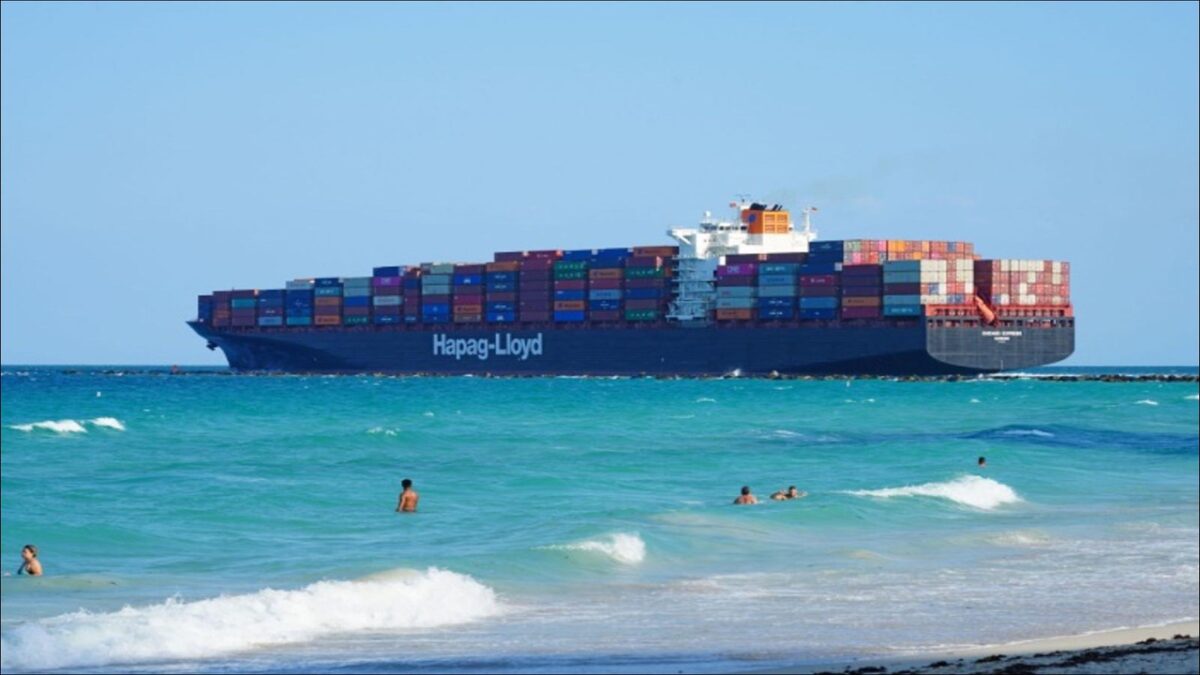
Hapag-Lloyd CEO Confident in Container Freight Outlook | Mariner News
Rolf Habben Jansen, Hapag-Lloyd’s CEO, offers an optimistic view on the container shipping outlook, contrasting sharply with bleak forecasts for global freight demand. While many experts foresee overcapacity and trade slowdown, Habben Jansen, much like Maersk’s Vincent Clerc, asserts the industry’s structural robustness. His forward-looking stance, from a leading container line executive, suggests a deeper understanding of market dynamics beyond immediate cycles. These insights provide a compelling counter-narrative, urging stakeholders to recognize containerization’s enduring potential despite short-term volatilities.
Challenging the Overcapacity Narrative in Liner Shipping
The specter of overcapacity shadows liner shipping, especially with new tonnage arriving soon. Conventional wisdom suggests excess vessels depress freight rates and profitability. However, leaders like Habben Jansen and Clerc dispute this as a structural problem. They emphasize global trade’s dynamism and the sector’s adaptability. While temporary imbalances are cyclical, they argue fundamental demand drivers will absorb much new capacity over time.
This nuanced view acknowledges efficiency gains from larger vessels and strategic fleet management mitigate risks from new builds. The industry historically adjusts capacity via slow steaming, blank sailings, and scrapping. Habben Jansen frames overcapacity as a short-to-medium term market correction, leading to a normalized, competitive environment. His confidence stems from belief in global economic growth and container shipping’s indispensable role.
Hapag-Lloyd’s CEO also considers geopolitical shifts and evolving supply chains. Companies diversify sourcing globally, creating new trade lanes and longer transit distances. This decentralization, driven by resilience, could uplift demand for maritime logistics. Thus, a purely quantitative analysis of vessel numbers versus current cargo might offer an incomplete picture of long-term freight demand.
Unpacking Regional Growth and Evolving Trade Routes
A cornerstone of Habben Jansen’s optimism is his observation on uneven global containerization. He agrees mature economies, like China, have largely completed containerization. Yet, he stresses this saturation point isn’t global, highlighting vast untapped potential in emerging and developing regions. These economies integrate into global trade, driving new consumption and production patterns reliant on efficient container transport.
Consider burgeoning economies across Southeast Asia, Africa, and Latin America. As they industrialize, urbanize, and develop middle classes, their demand for imports and capacity to export will expand. This organic growth creates fresh opportunities for container freight demand, often along less saturated routes. New logistics hubs and accelerating infrastructure development facilitate smoother, larger cargo flows. Hapag-Lloyd strategically positions itself to capitalize on these evolving corridors.
The focus shifts from uniform global perspective to granular, regional analysis. Each region offers unique growth catalysts. Intra-regional trade within Africa or new manufacturing zones in Vietnam/India necessitate robust container shipping. These developments diversify global demand, reducing reliance on single trade lanes. This geographical expansion of containerization powerfully offsets perceived slowdowns in developed markets, ensuring continuous maritime transport needs.
Hapag-Lloyd’s Strategic Vision for Market Resilience
Under Habben Jansen, Hapag-Lloyd implements strategies to navigate market complexities and leverage growth. Their approach emphasizes operational excellence, digitalization, and strong customer relationships. In fluctuating markets, swift adaptation and reliable, value-added services are paramount. This involves optimizing vessel deployments, enhancing port calls, and investing in IT for improved supply chain visibility and efficiency for clients.
The company’s strategic partnerships, within the Alliance network or specific collaborations, are crucial for flexibility and scale. Pooling resources and coordinating services allows Hapag-Lloyd to offer a comprehensive global network while managing costs and environmental impact. This collaborative approach responds to shifts in freight demand, allocates capacity judiciously, and ensures service continuity amidst disruptions. Such resilience differentiates them, reinforcing loyalty and securing long-term contracts.
Hapag-Lloyd’s investment in fleet modernization, focusing on fuel efficiency and alternative propulsion, demonstrates a long-term commitment to sustainability and competitiveness. Modern, eco-friendly vessels reduce costs and appeal to shippers prioritizing green logistics. This forward-thinking investment aligns with future regulations and market expectations, positioning the company for sustained growth. Proactive environmental stewardship builds a resilient business model, weathering economic and regulatory changes.
The Enduring Role of Containerization in Global Trade
Ultimately, Habben Jansen’s optimism on the container shipping outlook rests on containerization’s irreplaceable role in global trade. While the industry faces cyclical challenges, underlying drivers for connecting economies through efficient maritime logistics remain strong. As global populations grow, consumption evolves, and supply chains intricate, demand for organized, cost-effective container transport will persist and expand. This truth supports a long-term bullish view.
Continuous advancements in technology—AI-driven platforms, port automation—make container shipping more efficient and attractive. These innovations boost transparency, cut transit times, and lower supply chain costs, actively stimulating further international trade. Moreover, the focus on sustainability, with green fleets and practices, addresses environmental concerns, ensuring industry relevance. These factors combined paint a promising picture for maritime logistics.
In conclusion, despite immediate challenges from new vessel deliveries, leaders like Habben Jansen offer a confident long-term trajectory for container shipping. Diversification of manufacturing, economic ascent of developing nations, and relentless pursuit of efficiency and sustainability will underpin continued freight demand. This robust outlook confirms containerization is far from complete; it’s entering a new phase of dynamic growth and evolution, remaining the backbone of international commerce.