Hafnia & Torm Seek Safe Passage Guarantees in Hormuz | Mariner News
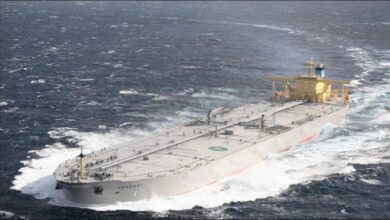
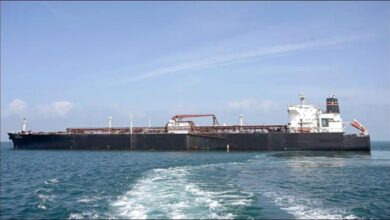
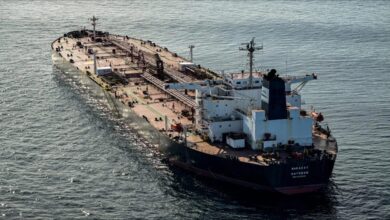
Major tanker operators Hafnia and Torm have voiced significant concerns, demanding robust security guarantees for safe passage through the Strait of Hormuz. The companies emphasize that a return to normal shipping operations in this vital waterway is not foreseeable in the immediate future without verified assurances. Their stern warning to other vessel operators underscores the inherent dangers of navigating the strait without explicit coordination with both Iranian and US authorities, highlighting a shared industry anxiety over escalating maritime security risks in the Middle East’s most crucial shipping chokepoint. The ongoing geopolitical complexities and the shadow of past incidents necessitate a proactive approach to safeguard global trade and the lives of seafarers.
The Strait of Hormuz, a narrow waterway connecting the Persian Gulf with the Arabian Sea and the open ocean, stands as an irreplaceable conduit for a substantial portion of the world’s oil supply. Approximately one-fifth of global oil consumption, alongside significant volumes of liquefied natural gas (LNG), transits through this strategic passage daily. This makes the strait not just a shipping lane but a geopolitical hotspot, central to energy security and the stability of international markets. Any disruption, whether from geopolitical tensions, military action, or piracy, sends immediate ripple effects across the global economy, impacting crude oil prices, supply chains, and consumer costs worldwide. The tanker industry, in particular, relies heavily on its unobstructed flow, transporting vital energy resources from the Middle East’s prolific oil fields to consumption centers in Asia, Europe, and the Americas.
The Critical Importance of the Strait of Hormuz for Global Trade
For centuries, maritime trade routes have shaped economies and geopolitical landscapes, and few are as critical in the modern era as the Strait of Hormuz. Its geographical position, at the nexus of major oil-producing nations and global energy consumers, makes it an indispensable artery for international commerce. The sheer volume of crude oil and petroleum products that pass through its waters daily underscores its paramount importance, not only for the tanker sector but for the entirety of global industrial activity. Disruptions here could severely cripple economies reliant on stable energy supplies, forcing companies to reconsider their supply chain resilience and operational planning.
Beyond crude oil, the strait also facilitates the movement of an array of other commodities, though oil remains its most high-profile cargo. The global dependency on Middle Eastern oil means that any perceived threat to the Strait of Hormuz immediately triggers alarm bells in capitals worldwide. This vital chokepoint is not merely a path for tankers; it is a barometer of international relations and a constant reminder of the fragile balance of power in a volatile region. Therefore, ensuring secure passage through these waters is not just a concern for shipping companies; it is a strategic imperative for global economic stability.
Escalating Maritime Security Risks in the Middle East
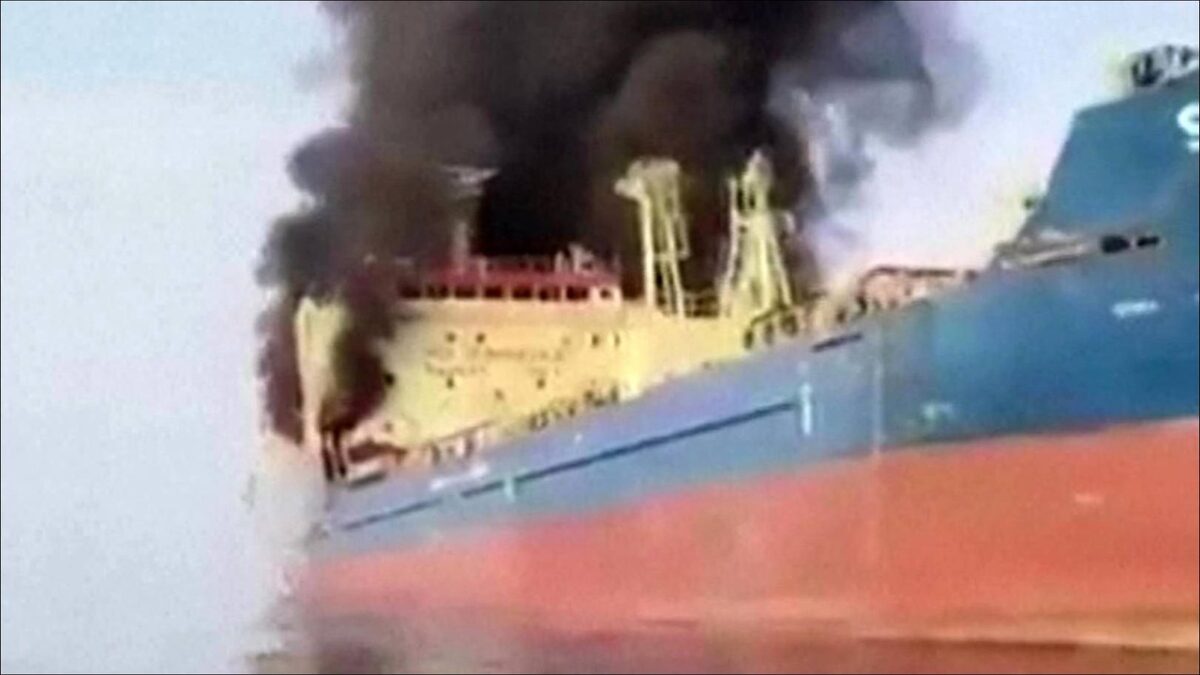
The Middle East has unfortunately become synonymous with heightened maritime security risks, a reality that shipping companies like Hafnia and Torm confront daily. The Strait of Hormuz, in particular, has witnessed a series of incidents over recent years, ranging from vessel seizures and attacks on tankers to drone strikes and acts of sabotage. These events are often linked to broader geopolitical tensions between regional powers and global actors, specifically involving Iran and and its proxies. The unpredictable nature of these threats makes navigating the area fraught with peril, compelling operators to implement stringent security protocols and reassess their risk mitigation strategies.
Furthermore, the presence of various naval forces, including those from the United States and its allies, is intended to deter aggression and protect international shipping. However, the complexities of operating in a contested zone mean that even with a significant naval presence, the risks persist. Shipping companies are increasingly relying on intelligence assessments, threat advisories, and direct communications with military authorities to make informed decisions about routing and timing. The industry’s call for ‘verified security guarantees’ is a direct response to this environment of persistent uncertainty, demanding concrete, actionable assurances rather than just a general military presence. This critical area demands consistent vigilance and robust international collaboration to protect merchant vessels and their crews.
Hafnia and Torm’s Stance on Verified Security Guarantees
Hafnia and Torm, as prominent players in the global tanker market, have articulated a clear and non-negotiable demand for what they term “verified security guarantees” for operations through the Strait of Hormuz. This goes beyond mere promises or general statements of intent; it implies a structured framework of security measures, potentially involving clear protocols for escorting vessels, real-time intelligence sharing, and explicit safe zones, all in accordance with recognized international maritime law and conventions. Their position underscores the belief that without such tangible and transparent guarantees, the risks associated with traversing the strait remain unacceptably high, jeopardizing both assets and human lives.
Moreover, both companies have stressed the critical importance of coordinated navigation with all relevant parties, including Iran and the United States. This call for coordination is not just a plea for safety but a recognition of the complex political landscape. Without explicit communication and de-escalation mechanisms between the key stakeholders in the region, the potential for miscalculation or accidental escalation remains high. Their warning against independent sailings without such coordination serves as a stark reminder of the potential consequences, urging the broader shipping industry to exercise extreme caution and prioritize collaboration to ensure secure passage for all vessels and the vital cargo they transport.
Operational Challenges and Economic Impact on Tanker Shipping
The ongoing instability in the Strait of Hormuz has created a cascade of operational challenges and significant economic impacts for the tanker shipping industry. One of the most immediate effects is the dramatic increase in insurance premiums, particularly for hull and war risk coverage. Insurers view the region as high-risk, leading to soaring costs that must either be absorbed by operators or passed on to charterers and ultimately, consumers. This directly impacts the profitability of voyages and can make certain routes economically unviable, influencing global freight rates and affecting the competitiveness of different shipping lines.
Beyond insurance, shipping companies often face difficult decisions regarding re-routing vessels to avoid perceived danger zones. While alternative routes, such as transiting around the Arabian Peninsula, offer a perceived reduction in risk, they come with substantial downsides. These longer voyages mean increased fuel consumption, extended transit times, and higher operational costs. Furthermore, longer voyages tie up valuable assets for longer periods, reducing vessel availability and potentially contributing to supply chain delays. The cumulative effect of these challenges is a noticeable upward pressure on shipping costs and a heightened degree of uncertainty for global oil and gas markets, making efficient and timely delivery of energy resources a complex logistical puzzle for tanker operators and their clients.
Future Outlook for Shipping Through Hormuz
The future outlook for shipping through the Strait of Hormuz remains clouded by uncertainty, demanding continuous vigilance and adaptive strategies from the maritime industry. While no immediate return to a pre-tension ‘normal’ is expected, the long-term stability hinges significantly on diplomatic efforts and de-escalation between regional and international powers. The effectiveness of international coalitions, security initiatives, and the establishment of clear, enforceable safe passage protocols will be crucial in mitigating risks. Shipping companies are exploring advanced surveillance technologies and enhanced onboard security measures, but these are merely reactive solutions to a fundamentally geopolitical problem.
For the industry, the imperative is to push for sustained dialogue and robust international cooperation aimed at ensuring freedom of navigation and the protection of merchant shipping under international law. This involves engaging with regulatory bodies, national governments, and naval forces to advocate for a stable environment. Until a lasting resolution to regional tensions is achieved, tanker operators will continue to navigate a complex risk landscape. The ability to secure ‘verified security guarantees’ will undoubtedly dictate the pace and confidence with which global trade flows through this indispensable maritime gateway, emphasizing the ongoing need for transparency, predictability, and safety for vessels and crews traversing this vital chokepoint.
In conclusion, the demands by Hafnia and Torm for unequivocal security guarantees through the Strait of Hormuz reflect a broader industry consensus on the urgent need for enhanced safety and stability. The economic implications of continued uncertainty are profound, affecting everything from insurance costs to global energy prices. As the shipping world navigates these turbulent waters, the call for coordinated action and robust international frameworks to protect maritime commerce has never been more critical. The safe and secure passage through the Strait of Hormuz is not just a regional concern but a global necessity, requiring collective responsibility and unwavering commitment to safeguard one of the world’s most vital maritime arteries.